
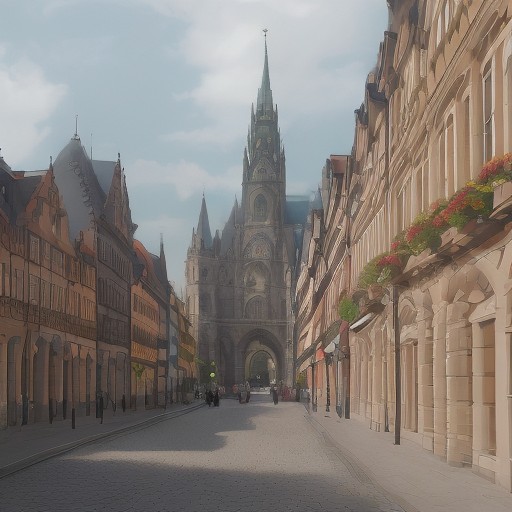
Geographical Marvel: Germany’s Strategic Location
Germany, a central powerhouse in Europe, is nestled between the Baltic Sea and the North Sea to the north and the majestic Alps to the south. This geographical positioning not only enhances its natural beauty but also solidifies its role as a crucial hub for trade and diplomacy. With borders stretching to Denmark, Poland, the Czech Republic, Austria, Switzerland, France, Luxembourg, Belgium, and the Netherlands, Germany serves as a bridge connecting various cultures and economies.
A Complex History: From German Reich to Modern Federal Republic
The history of Germany is as intricate as its borders. Officially known as the Federal Republic of Germany since May 23, 1949, this nation has evolved remarkably since its days as the German Reich from 1871 to 1945. While the term often translates to “German Empire,” it more accurately reflects a “realm” or “territorial reach.” The political landscape has shifted dramatically over the decades, and the current Federal Republic asserts itself as the legitimate continuation of this historical entity, navigating its legacy while forging a new path forward.
Politics in Flux: Germany’s Leadership Under Chancellor Olaf Scholz
At the helm of Germany’s government is the Social Democratic Party (SPD), led by Chancellor Olaf Scholz. His administration is embarking on a challenging journey, grappling with both domestic issues and international pressures. The ongoing conflict in Ukraine has exacerbated tensions with Russia, raising questions about Germany’s role in European security and diplomacy. Scholz’s leadership is under scrutiny, as the nation balances its historical ties with Russia against the urgent need for a robust response to the crisis.
The Economic Engine: Germany’s Role in Global Trade
Germany is not just a political powerhouse; it is also an economic titan. As one of the largest economies in Europe and a significant player on the global stage, Germany boasts a highly developed manufacturing sector renowned for its innovation and quality. The country’s economic resilience is reflected in its robust export strategies and strong ties with other European nations. Yet, with the rise of economic challenges globally, the implications of Germany’s policies are under intense scrutiny, sparking debate about its future direction.
Cultural Richness: Celebrating Tradition Amidst Change
Germany is a land of rich cultural traditions and vibrant lifestyles. Events like Oktoberfest draw millions from around the globe, showcasing not only the country’s renowned beer culture but also its strong sense of community and tradition. Additionally, various flea markets and local festivals offer a glimpse into the everyday lives of Germans, blending history with modernity. However, as globalization continues to reshape cultural landscapes, the preservation of these traditions faces challenges, prompting discussions about identity and heritage.
Military Presence: A Controversial But Strategic Necessity
Germany’s military presence is a subject of both pride and controversy. Hosting significant American military bases and personnel, the country plays a pivotal role in NATO’s strategic framework. This arrangement has been met with mixed reactions domestically, as citizens debate the implications of foreign military presence on national sovereignty and security. As geopolitical tensions rise, Germany’s military role is more critical than ever, sparking debates over defense spending and international obligations.
Germany’s Future: Navigating Challenges and Opportunities
As Germany stands at a crossroads, the path ahead is fraught with both challenges and opportunities. The government’s response to the ongoing conflict in Ukraine, economic recovery post-pandemic, and the balancing act of maintaining cultural integrity in an ever-globalizing world will shape the nation’s future. Scholz’s leadership will be pivotal in navigating these turbulent waters, with potential implications for Germany’s role in Europe and the world.
Conclusion: The Heartbeat of Europe
Germany, with its rich history, strategic geopolitical position, and vibrant culture, remains an influential player in the European arena. As the nation grapples with contemporary challenges, the world watches closely. Will Germany emerge as a steadfast leader, or will the complexities of its past and present hinder its potential? The answers lie in the unfolding narrative of this remarkable country, where every decision echoes through the annals of history and shapes the future.
Engage with us: What are your thoughts on Germany’s current political landscape? How do you see its role evolving in the future? Join the conversation below!


