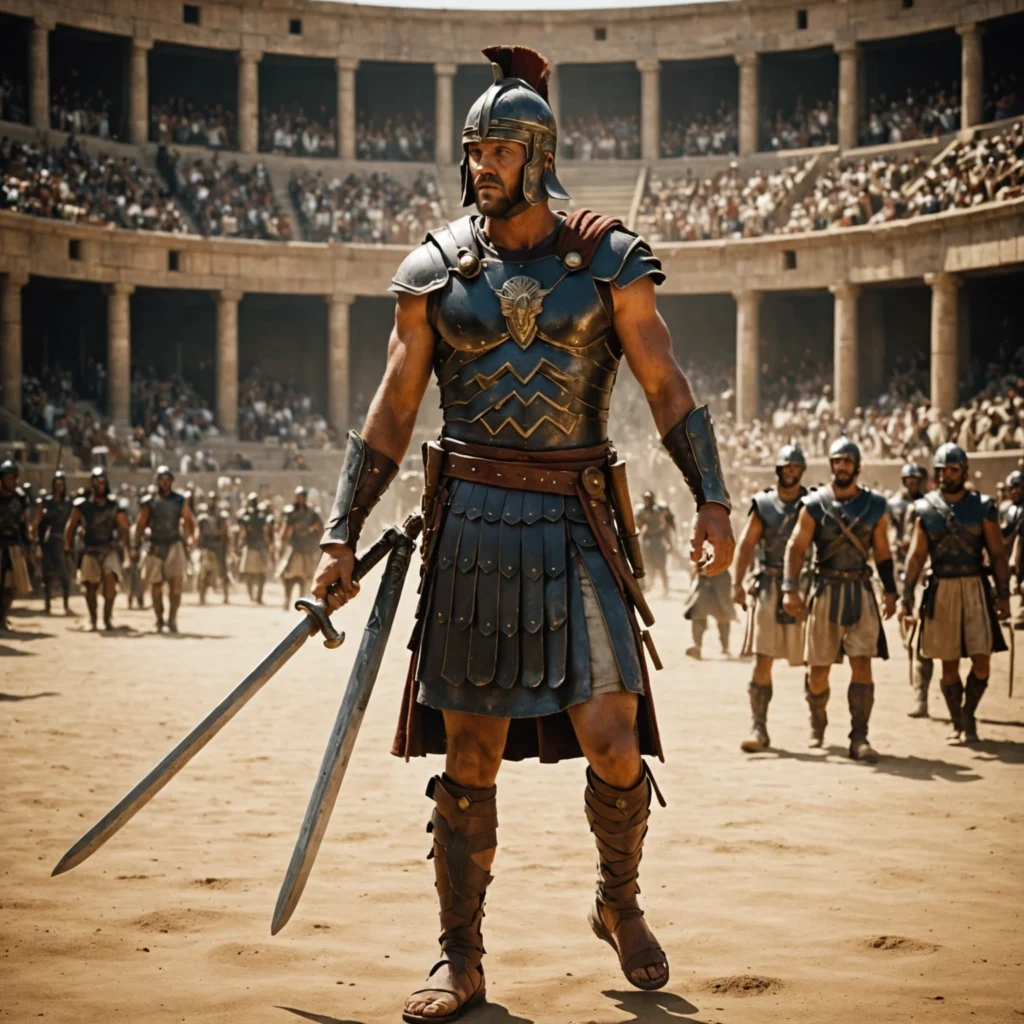
Introduction: The Epic Return of Gladiators
The cinematic world is abuzz with the release of Gladiator II, an epic historical action film that promises to reignite the flames of a beloved franchise. Directed by the legendary Ridley Scott, this highly anticipated sequel to the 2000 original has already made waves, not just for its star-studded cast and lavish production, but also for the surrounding controversies that echo through the corridors of both Hollywood and Ancient Rome.
A Glimpse into the Plot: Tyranny and Rebellion
Set 16 years after the tragic fall of the heroic Maximus, Gladiator II plunges us into a Rome ruled by the tyrannical twin emperors, Geta and Caracalla. The Roman Empire, once the epitome of glory, now finds itself ensnared in a web of despotism and oppression. Enter General Marcus Acacius, portrayed by Pedro Pascal, who was once mentored by Maximus himself. Acacius, driven by a desire for justice, sets in motion a rebellion against the twin tyrants.
As the story unfolds, we meet Lucius Verus, played by Paul Mescal, the son of Maximus and Lucilla. Lucius’s life takes a tragic turn when Roman soldiers, under Acacius’s command, invade his home, leading to the death of his wife and his subsequent enslavement. This harrowing event ignites a fire within Lucius, propelling him onto a path of vengeance as he trains to become a gladiator under the watchful eye of Macrinus, a former slave turned ambitious warrior, portrayed by the incomparable Denzel Washington.
The Spectacle of Production: A $300 Million Gamble
The grand scale of Gladiator II is reflected in its staggering budget of $300 million. This investment underscores the studio’s ambition to not only match but potentially surpass the iconic visuals and storytelling of its predecessor, which won five Academy Awards, including Best Actor for Russell Crowe. The film’s production values promise to deliver breathtaking battle sequences, intricate set designs, and a score that echoes through the ages.
However, the film’s lavish nature has also sparked debates among critics and fans alike. While some laud the spectacular visuals and nostalgic callbacks to the original, others argue that the film ultimately falls short of capturing the raw emotional weight and complexity that made its predecessor a classic. The question remains: has the magic of the original been lost in the glitz and glamour of modern filmmaking?
Mixed Reviews: A Tale of Performances
As the reviews roll in, Gladiator II finds itself in a polarized landscape. Critics have noted the film’s impressive scale and the nostalgic allure of its callbacks to the original, yet many feel it lacks the emotional depth that resonated so profoundly with audiences two decades ago. Pedro Pascal‘s portrayal of General Acacius has been met with mixed reactions; while some praise his ability to embody a character with conflicting motives, others deem his performance as merely obligatory within the confines of a blockbuster.
On the other hand, Paul Mescal‘s performance as Lucius has garnered considerable acclaim, with many critics praising his emotional range and commanding presence on screen. As the central figure of a revenge-driven narrative, Mescal’s Lucius embodies the spirit of resilience against tyranny, offering a fresh perspective that resonates with contemporary audiences.
Adding weight to the ensemble is Denzel Washington, whose portrayal of Macrinus injects a profound sense of gravitas into the film. However, reports have surfaced that some of his most impactful scenes, including a pivotal same-sex kiss, were cut from the final edit, raising questions about the film’s commitment to authentic representation and emotional storytelling.
Release Details: Anticipation Builds
Gladiator II was released on November 14, 2024, in Australia, followed by its U.S. premiere on November 22, 2024. As fans flock to theaters, the film’s reception will undoubtedly shape its legacy and influence future projects within the genre. The excitement surrounding the release is palpable, with audiences eager to witness this next chapter in the story of Rome’s gladiators.
Cultural Impact: The Controversial Sponsorship Deal
The release of Gladiator II coincides with a bold new sponsorship deal between Airbnb and the iconic Colosseum, which has sparked a wave of controversy. This deal includes staged gladiator fights within the ancient Roman amphitheater, raising eyebrows among cultural heritage advocates and historians alike. Critics argue that such commercialization of historical sites undermines their significance and integrity, turning beloved monuments into mere backdrops for entertainment.
Supporters of the initiative, however, contend that this partnership can promote tourism and education about Ancient Rome, bridging the gap between modern audiences and the historical narratives of gladiators. As discussions rage on about the implications of this sponsorship, one thing is certain: the intersection of history and modern entertainment continues to provoke passionate debates about cultural preservation.
The Legacy of Gladiators: More Than Just Entertainment
As we delve deeper into the themes of Gladiator II, it becomes clear that the film is more than just a tale of swords and sandals; it is a reflection of the human condition, the struggle for freedom, and the quest for power. The depiction of gladiators serves as a powerful metaphor for resilience in the face of tyranny, resonating with audiences who have witnessed similar struggles throughout history.
The gladiatorial games, originally intended as a form of entertainment for the masses, also carried deep cultural significance. They were a means of demonstrating power, control, and societal values. In the modern context, the return of gladiatorial themes in popular media prompts us to reflect on our own societal dynamics and the narratives we perpetuate.
Conclusion: A New Era for Gladiators
As Gladiator II steps onto the global stage, it carries the weight of its predecessor while attempting to carve its own identity. The film’s exploration of tyranny, vengeance, and the human spirit speaks to timeless themes that resonate across generations. Whether it will achieve the iconic status of its predecessor remains to be seen, but it undeniably opens up a dialogue about the portrayal of history, culture, and the role of entertainment in shaping public perception.
As audiences flock to theaters, the spectacle of Gladiator II will undoubtedly spark conversations about the implications of its narratives, the authenticity of its portrayals, and the impact of commercialization on cultural heritage. In the grand arena of cinema, only time will tell if this sequel can capture the hearts of a new generation while honoring the legacy of the gladiators who came before.


