
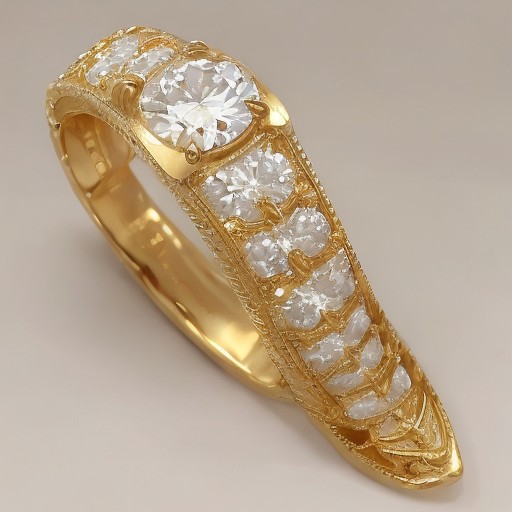
The Golden Dilemma: Understanding the Surge in 22-Carat Gold Rates
As of November 24, 2024, the gold market is buzzing with activity, and the prices for 22-carat gold are reflecting this heightened interest. With the current rate for 22-carat gold varying dramatically across major cities in India, many are left wondering—what’s driving this surge? Is it merely a seasonal fluctuation, or is there something deeper at play?
The Current Landscape of 22-Carat Gold Prices
Let’s take a closer look at the numbers and what they signify:
- Bangalore: 22-carat gold stands at a staggering ₹7,317.3 per gram, marking an increase of ₹740.0 from the previous rate.
- Jaipur: The city known for its rich heritage and jewelry craftsmanship is witnessing a rate of ₹76,463 per 10 grams.
- Mumbai: The financial capital of India sets the bar with a rate of ₹70,556 for 10 grams and ₹7,055.60 for 1 gram.
This dramatic rise in gold prices is not just a number; it reflects a complex interplay of market dynamics, consumer behavior, and global economic conditions.
What’s Behind the Gold Price Surge?
Several factors contribute to the rising cost of 22-carat gold:
- Global Economic Conditions: As inflation rates soar and economic uncertainty prevails, investors tend to flock toward gold as a safe haven. This trend has been exacerbated by geopolitical tensions and fluctuating currency values.
- Demand and Supply Dynamics: During festive seasons, gold demand typically spikes as people buy jewelry for weddings, festivals, and other occasions. This increased demand, paired with limited supply, pushes prices higher.
- Investment Trends: With stock markets exhibiting volatility, many are choosing to invest in physical gold over paper assets. This shift in investment strategy has further fueled the price increases.
Regional Variations: Why Are Prices Different?
The disparity in gold prices across cities raises a pertinent question: why does Bangalore’s rate differ from Jaipur’s or Mumbai’s? The answer lies in various regional factors:
- Local Demand: Different cities have different cultural practices and buying patterns. For instance, Jaipur, with its rich history of jewelry making, sees a higher demand for gold jewelry compared to other cities.
- Market Infrastructure: The presence of local traders, the cost of logistics, and the availability of gold also play a significant role in price variation.
- Taxes and Levies: State taxes and import duties can significantly impact gold prices, causing fluctuations in different regions.
The Controversy: Is Gold Still a Wise Investment?
While many consumers view gold as a reliable investment, there is a growing debate about its long-term viability. Critics argue that gold does not yield interest or dividends, making it a less attractive option compared to stocks or bonds. However, proponents insist that gold holds intrinsic value and acts as a hedge against inflation.
As prices continue to rise, some experts caution against the potential for a market correction. Could we see a bubble forming in the gold market? Investors and consumers alike are urged to consider their positions carefully.
Consumer Sentiment: What Are People Saying?
The surge in gold prices has evoked mixed reactions among consumers. Many buyers are feeling the pinch, with jewelry becoming increasingly unaffordable. A recent survey indicated that nearly 60% of respondents in Bangalore expressed concern over the rising costs, with many postponing purchases until prices stabilize.
On the flip side, jewelers are reveling in the boom, reporting increased sales despite rising prices. Is this a win-win situation for sellers but a loss for buyers? The jewelry industry, heavily dependent on gold prices, is facing a pivotal moment where consumer sentiment could shape its future.
The Future of Gold: Speculations and Predictions
Looking ahead, what can we expect for 22-carat gold rates? Analysts suggest that while short-term fluctuations are likely, the long-term outlook remains bullish. Factors such as ongoing inflation, geopolitical tensions, and fluctuating market sentiments will continue to influence gold prices.
Furthermore, the impending festive seasons, including Diwali and weddings, are anticipated to drive demand even higher, potentially pushing prices to new heights.
Conclusion: Navigating the Golden Market
The current surge in 22-carat gold prices is a reflection of broader economic trends and consumer behavior. While the allure of gold remains strong, both consumers and investors must navigate this complex landscape with caution. The question remains—is now the time to invest in gold, or should we wait for a correction? Only time will tell, but one thing is certain: the golden rush is far from over.
As we continue to follow these trends, the gold market will remain a hot topic for discussion, speculation, and perhaps, controversy. Stay tuned for updates on this ever-evolving story!


