
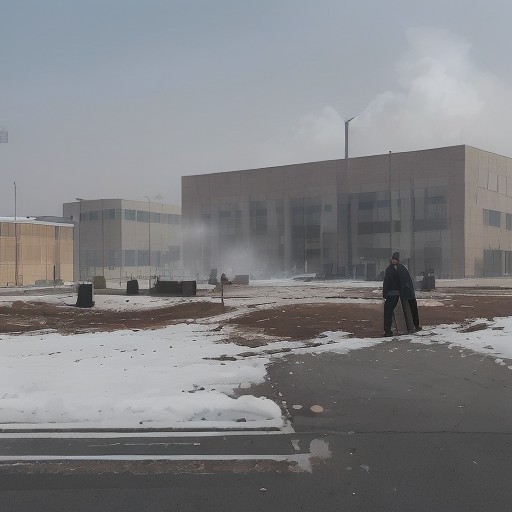
Gurgaon Schools Shut Down: A Response to Air Quality Emergency
In a dramatic move that underscores the escalating environmental crisis in urban India, the Gurgaon district administration has announced the closure of all private and government-run schools until November 25, 2024. This decision comes as a direct response to the district’s alarming air quality, which has shown no signs of improvement despite previous interventions. As parents, teachers, and students grapple with this unprecedented situation, the implications of such a long-term closure raise critical questions about the future of education and public health in the region.
The Air Quality Nightmare: Gurgaon in Crisis
Gurgaon, once celebrated for its rapid development and booming economy, is now facing a dire reality. Reports indicate that air quality levels in the region have plummeted to hazardous levels, with pollution readings frequently exceeding safe limits. According to the System of Air Quality and Weather Forecasting and Research (SAFAR), the Air Quality Index (AQI) in Gurgaon has consistently hovered around 400, categorizing it as “severe.” Such levels of pollution are not just a nuisance; they pose serious health risks, particularly to children whose lungs and immune systems are still developing.
Government’s Response: A Necessary Evil?
The decision to close schools has been met with mixed reactions. While health experts applaud the move as a necessary measure to protect children from the harmful effects of poor air quality, parents are left in a lurch. The abrupt shift to online classes, although a safer alternative, raises several concerns about educational equity and the effectiveness of virtual learning.
Many parents are questioning whether online classes can truly replace the hands-on learning experiences that children would receive in a traditional classroom setting. “My child finds it hard to concentrate during online classes,” expressed one concerned parent, “and I worry about the long-term effects of this disruption.”
Similar Measures in Noida: A Growing Trend
Gurgaon’s decision is not an isolated case. Just across the border in Noida, authorities have enacted similar measures, closing schools due to pollution concerns. This growing trend highlights a broader issue that many Indian cities face: the deteriorating state of air quality and its implications for public health and education.
As urban areas continue to grapple with pollution from vehicles, construction, and industrial activities, the question remains: will these temporary measures be enough? Or are they merely a band-aid solution to a much larger problem?
The Long-term Effects of School Closures
With schools closed for an extended period, experts warn of potential long-term repercussions on children’s education and social development. The lack of in-person interaction can hinder critical social skills that are typically developed in a classroom environment. “Children need to learn how to collaborate, communicate, and solve problems with their peers,” said Dr. Anita Sharma, an educational psychologist. “These skills cannot be fully developed through a screen.”
Moreover, the closure of schools raises concerns about food security for children who rely on school meals. For many families, the nutritious meals provided at school are a vital part of their daily sustenance. With schools shut down, the risk of child malnutrition increases, compounding the adverse effects of pollution.
Public Reactions: Outrage or Understanding?
The closure of schools has ignited a wave of reactions from the public. Social media platforms are abuzz with debates about the government’s handling of the pollution crisis. Some parents have expressed outrage, accusing authorities of failing to address the root causes of pollution while prioritizing temporary fixes.
Conversely, others understand the necessity of such drastic measures, emphasizing that the health of children should come first. “It’s frustrating, but we have to prioritize our children’s health,” commented another parent. “If this is what it takes to protect them, then so be it.”
The Bigger Picture: A Call for Sustainable Solutions
While the immediate focus remains on the closure of schools, the broader question of how to combat pollution looms large. Experts argue that the government must take decisive action to address the sources of pollution rather than just its symptoms. Implementing stricter regulations on emissions, promoting public transportation, and investing in green spaces are just a few strategies that could lead to long-term improvements in air quality.
Moreover, as citizens become more aware of the issues at hand, there is an increasing demand for community involvement in combating pollution. Grassroots movements advocating for cleaner air and healthier environments are gaining traction, pushing for a collective effort to tackle this crisis.
The Future of Education in a Polluted World
As schools in Gurgaon and Noida remain closed, one question persists: what does the future hold for education in a world grappling with pollution? Will online classes become the norm, or will there be a return to traditional learning once the air quality improves? The answer may depend on how swiftly authorities can implement effective solutions to combat pollution.
In the meantime, educators and parents must find innovative ways to engage students in learning while navigating this uncertain landscape. Blended learning models that combine online and offline education may provide a feasible solution, allowing children to benefit from both formats.
Conclusion: A Wake-Up Call for Change
The closure of schools in Gurgaon and Noida due to pollution is a wake-up call for both the government and the public. It highlights the urgent need for action to address the environmental challenges facing urban India. As parents, educators, and communities come together to advocate for cleaner air and a healthier future, it is crucial to remember that the health and well-being of our children should always be the top priority.
If we are to secure a brighter future for the next generation, we must demand accountability and drive the change needed to protect our environment. The time for action is now, and it begins with us.


