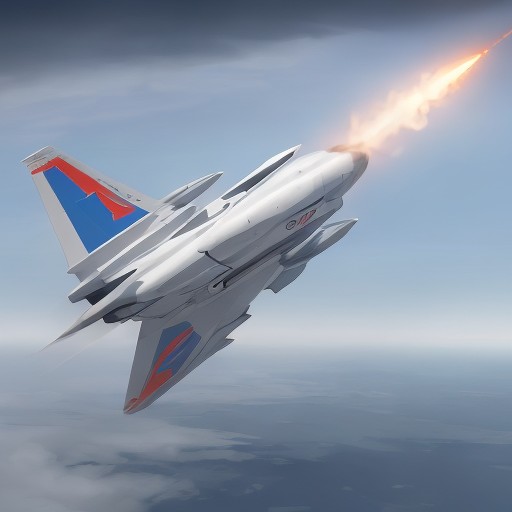
Introduction to Hypersonic Missiles
In a world where military technology is evolving at a breakneck pace, hypersonic missiles have emerged as the latest game-changer in warfare. These advanced weapons, capable of traveling at speeds exceeding Mach 5 (over 3,800 miles per hour), are designed to outsmart conventional defense systems, making them a top priority for nations striving for military superiority. Recent developments from countries like India, Russia, and North Korea highlight a new arms race fueled by hypersonic technology, raising urgent questions about global security and strategic stability.
India’s Leap into Hypersonic Technology
Amidst escalating regional tensions, India has successfully tested its first long-range hypersonic missile, marking a significant milestone in its defense capabilities. The successful trial not only positions India as a formidable player in the hypersonic domain but also enhances its military posture against potential adversaries.
With the ability to evade traditional missile defenses, India’s hypersonic missile can strike strategic targets with unparalleled speed and precision. This technological advancement has been met with both national pride and international concern, as it shifts the balance of power in South Asia and beyond. Experts suggest that India’s commitment to hypersonic technology could serve as a catalyst for neighboring countries to bolster their military arsenals, potentially leading to a regional arms race.
Russia’s Oreshnik: A New Era of Warfare
Meanwhile, Russia is not sitting idle. The nation has been rigorously testing its Oreshnik hypersonic missile, which boasts a staggering top speed of over 13,000 km/h (8,000 mph). The Russian government has proclaimed that this missile is ready for combat use, providing the country with a significant strategic advantage.
The Oreshnik’s ability to carry multiple warheads and strike targets across vast distances—including Europe and the western United States—has raised alarm bells across NATO and other Western alliances. Russian officials are adamant about their ongoing tests, claiming that these weapons will alter the landscape of modern warfare. This aggressive push for hypersonic technology illustrates Russia’s intent to maintain its status as a superpower while also serving as a stark reminder of the growing military tensions between East and West.
North Korea’s Hypersonic Ambitions
Not to be outdone, North Korea has made significant strides in hypersonic missile development. Recent tests of a new hypersonic intermediate-range missile powered by solid propellants signify an escalation in North Korea’s military capabilities. The regime claims that it has developed a nuclear-capable, solid-fuel system for all ranges of missiles, which could drastically enhance its strike options.
The implications of North Korea’s advancements are profound. As the country continues to refine its hypersonic technology, the potential for conflict in the region increases, particularly as it engages in provocative missile tests. Analysts warn that these developments could destabilize the already fragile security situation in East Asia, prompting neighboring countries to reconsider their defense strategies.
The Global Hypersonic Arms Race
The race to develop hypersonic missiles is not limited to just these nations. The United States and China are also heavily invested in hypersonic technology, with both countries seeking to enhance their military effectiveness and deterrence capabilities. The U.S. military has initiated various programs aimed at developing hypersonic weapons, recognizing the urgent need to counter the advances made by rival nations.
China, on the other hand, is reported to be making significant progress with its hypersonic missile programs, which have drawn international scrutiny. The prospect of hypersonic missiles being used in a conflict scenario raises critical questions about escalation dynamics and the potential for miscalculation among nuclear powers.
Geopolitical Implications and Concerns
The rapid advancement of hypersonic missile technology brings forth a plethora of geopolitical implications. As nations like India, Russia, and North Korea invest heavily in these capabilities, the risk of an arms race looms large. The ability of hypersonic missiles to evade traditional missile defense systems makes them particularly destabilizing, as they challenge the effectiveness of existing defense architectures.
bIt is essential for global leaders and military strategists to engage in dialogues aimed at establishing norms and regulations governing the use of hypersonic weapons. Without such measures, the potential for conflict could increase, as nations may feel compelled to act preemptively in response to perceived threats.
Public Reactions and Speculations
The public response to hypersonic missile developments has been mixed, with some expressing awe at the technological advancements, while others voice concerns about the implications for global peace. The fear of an escalated arms race and the potential for catastrophic conflict weighs heavily on the minds of many citizens across the globe.
Moreover, the media has played a crucial role in shaping public opinion about hypersonic missiles. Sensational headlines and expert analyses often highlight the dangers posed by these weapons, fostering a sense of urgency among the populace. As more countries join the hypersonic race, the need for transparency and informed public discourse becomes paramount.
Conclusion: The Future of Hypersonic Warfare
As we delve deeper into the 21st century, hypersonic missiles are set to redefine the landscape of modern warfare. With nations like India, Russia, and North Korea making significant strides in this arena, the implications for global security are profound. The potential for increased military tensions, coupled with the risk of miscalculation and conflict, requires immediate attention from policymakers worldwide.
Stakeholders must prioritize dialogue and cooperation to establish frameworks governing hypersonic weapons, aiming to mitigate the risks associated with their proliferation. As the world watches this new arms race unfold, one thing is clear: hypersonic missiles will continue to captivate and concern us in equal measure.


