
Introduction: The Dawn of a New Era
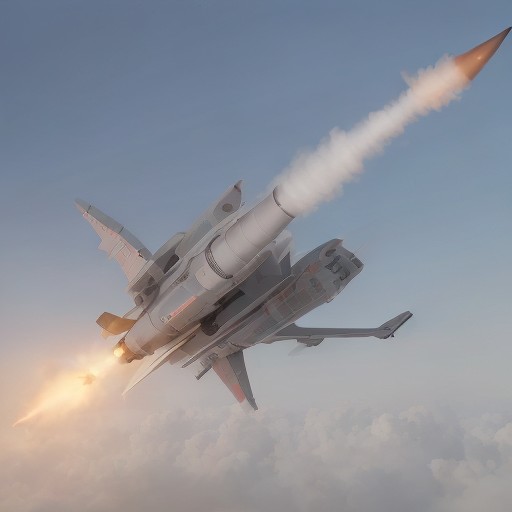
In a groundbreaking move that has sent ripples through the global defense community, India successfully tested its first long-range hypersonic missile on November 16, 2024. Launched from the Dr APJ Abdul Kalam Island off the coast of Odisha, this achievement marks a pivotal moment in India’s military capabilities and positions the nation as a formidable player in the high-stakes arena of hypersonic technology.
A Historic Test: The Flight of Innovation
The successful test of India’s hypersonic missile is not just a technological accomplishment; it is a testament to the relentless pursuit of innovation by the Defence Research and Development Organisation (DRDO). Union Defence Minister Rajnath Singh expressed his elation over this significant milestone, commending the DRDO, the Armed Forces, and the private sector for their collaborative efforts in making this dream a reality. “This successful flight trial is a significant advancement in our defense capabilities,” he remarked, highlighting the importance of self-reliance in India’s defense sector.
Understanding Hypersonic Technology
But what exactly are hypersonic missiles? These cutting-edge weapons are capable of traveling at speeds exceeding Mach 5 (five times the speed of sound). This unprecedented velocity allows them to evade traditional defense systems, making them a game-changer in modern warfare. As nations race to develop these sophisticated systems, India’s entry into the hypersonic missile club solidifies its position as a key player in global defense dynamics.
The Implications of India’s Hypersonic Milestone
India’s successful hypersonic missile test has several implications, both domestically and internationally. Firstly, it demonstrates India’s commitment to enhancing its military capabilities amidst rising regional tensions. With neighboring countries also advancing their military technologies, India’s hypersonic missiles could serve as a deterrent against potential threats.
Moreover, this achievement could have far-reaching consequences for global power dynamics. As countries like the United States, Russia, and China have already established themselves in the hypersonic arena, India’s entry signifies a shift in the balance of power. The race to develop hypersonic technology is not merely about military strength; it is also about geopolitical influence.
Ongoing Developments: The Future of Indian Defense Technology
The DRDO is not resting on its laurels following this success. The organization is actively engaged in the development of various missile systems, including the Very Short Range Air Defence System and the Vertical Launch Short Range Surface-to-Air Missile (VLSRSAM), both of which have recently undergone successful tests. These advancements indicate a broader strategic vision that extends beyond hypersonic technology.
As India seeks to bolster its defense capabilities, the integration of hypersonic missiles into its arsenal could reshape military strategies in the region. Experts predict that these advanced systems could enhance India’s deterrence capabilities significantly, allowing it to respond more effectively to emerging threats.
Controversy and Concerns: The Global Reaction
While India’s hypersonic missile test has been celebrated domestically, it has also sparked controversy on the global stage. Nations that perceive India’s advancements as a threat may respond with their own military enhancements, leading to an arms race in the region. Critics argue that this could escalate tensions, particularly in South Asia, where geopolitical rivalries are already pronounced.
Furthermore, the development of hypersonic technology raises ethical questions about the future of warfare. As nations invest heavily in these advanced systems, the potential for conflict increases. The speed and precision of hypersonic missiles could lead to faster, more devastating military engagements, which many experts warn could have catastrophic consequences.
The Role of Domestic Industry in Defense Innovation
One of the most encouraging aspects of India’s hypersonic missile program is the involvement of the domestic defense industry. The collaboration between the DRDO and private sector companies is a significant step toward achieving self-reliance in defense manufacturing. This partnership not only fosters innovation but also bolsters the economy by creating jobs and boosting local industries.
By leveraging indigenous technology and resources, India aims to reduce its dependency on foreign military procurement. This strategic shift aligns with the government’s vision of “Make in India,” which seeks to empower local manufacturers and promote sustainable defense production.
Looking Ahead: The Strategic Importance of Hypersonic Missiles
As India continues to develop its hypersonic missile capabilities, the strategic importance of these systems cannot be overstated. The ability to launch strikes at unprecedented speeds could redefine the rules of engagement in modern warfare. Moreover, hypersonic missiles could serve as a critical component of India’s nuclear deterrent strategy, enhancing its credibility on the global stage.
With the ongoing advancements in defense technology, it is essential for India to remain vigilant and proactive in its military strategies. The successful test of hypersonic missiles represents just the beginning of a new era in India’s defense capabilities. As the nation positions itself as a leader in this domain, the implications for regional and global security will continue to unfold.
Conclusion: A New Chapter in India’s Defense Legacy
India’s successful hypersonic missile test is a landmark achievement that underscores the nation’s growing prowess in advanced weapon systems. As the DRDO and Indian Armed Forces continue to push the boundaries of innovation, the world watches with bated breath. The implications of these advancements are profound, potentially reshaping the geopolitical landscape in the years to come.
As discussions about arms races and ethical considerations around modern warfare intensify, it is crucial for India to navigate these waters with caution. The successful development of hypersonic missiles could either be a catalyst for peace through deterrence or a trigger for escalating tensions. The future remains uncertain, but one thing is clear: India is poised to play a critical role in the evolving saga of global defense.


