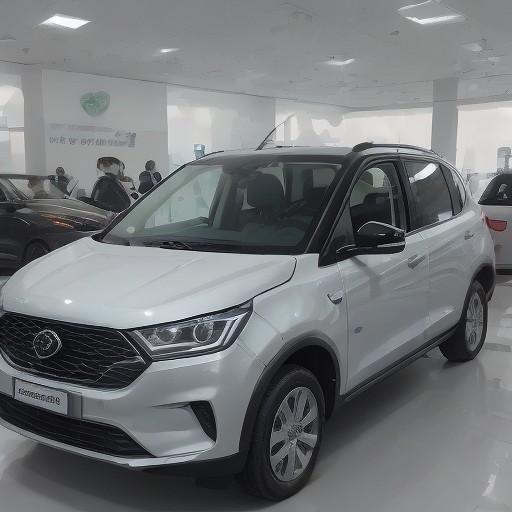
Introduction: A Fiery Disruption in the EV Landscape
In a shocking turn of events that has left the electric vehicle community reeling, a fire erupted at a prominent electric vehicle showroom in Bengaluru, sparking concerns about the safety and reliability of EV technology. As India makes significant strides towards sustainable transportation, this incident raises critical questions about the infrastructure supporting the burgeoning electric vehicle market. Was this a freak accident, or does it expose deeper issues within the industry?
The Incident: What Happened?
Eyewitnesses reported seeing flames engulfing the showroom in the early hours of the morning. The fire reportedly started around 2 AM, quickly spreading through the premises and consuming several electric vehicles on display. Firefighters were called to the scene and worked tirelessly to extinguish the blaze, but the damage was extensive.
Local authorities have initiated an investigation into the cause of the fire. Preliminary reports suggest that it may have been linked to an electrical fault, raising alarm bells about safety standards in EV showrooms. As electric vehicles become increasingly popular, incidents like these could have far-reaching implications for consumer confidence.
The Reaction: Community Outcry and Industry Implications
The reaction from the community has been one of shock and concern. Many residents took to social media to express their disbelief, with hashtags like #BengaluruFire trending on Twitter. Some users questioned whether electric vehicles, often touted as the eco-friendly alternative, are truly safe.
Moreover, this incident has prompted industry experts to weigh in on the safety protocols and standards governing electric vehicle showrooms. “We need to ensure that all EV showrooms adhere to strict safety regulations,” said Raghav Sharma, an automotive safety consultant. “This incident is a wake-up call for the entire industry.”
The Bigger Picture: Electric Vehicle Safety Concerns
While electric vehicles are heralded as the future of transportation, incidents like the Bengaluru showroom fire highlight the potential risks associated with lithium-ion batteries, which power most electric vehicles. Concerns have been raised about the fire safety of these batteries, especially in high-temperature environments.
In recent years, there have been isolated reports of EV fires globally, leading to increased scrutiny from regulators and consumers alike. The Bengaluru incident serves as a reminder that while electric vehicles are a cleaner alternative to traditional combustion engines, the technology is not without its challenges. What steps can be taken to mitigate these risks?
Comparative Analysis: Bengaluru vs. Global Trends in EV Safety
Globally, the electric vehicle market is expanding rapidly, with countries like the United States, China, and several European nations leading the charge. However, safety incidents have affected public perception. In 2020, a series of Tesla vehicle fires raised alarms, prompting the company to reassess its battery management systems.
Bengaluru’s incident must be viewed in this broader context. As one of India’s tech hubs, the city has been a beacon for electric vehicle innovation. However, if safety concerns are not addressed, this could hinder the growth of the EV market in India. Will this incident deter potential EV buyers in Bengaluru and beyond?
Consumer Sentiment: Fear vs. Innovation
As the dust settles on the incident, consumer sentiment is at a crossroads. On one hand, many potential buyers are excited about the prospect of owning an electric vehicle, attracted by government incentives, lower running costs, and environmental benefits. On the other hand, the fear of safety risks may overshadow these advantages.
Surveys conducted prior to the fire indicated that 70% of potential buyers were considering an electric vehicle for their next purchase. However, following the incident, this percentage may shift dramatically. “Safety is paramount,” stated Priya Mehta, a Bengaluru resident who was considering an electric vehicle. “I need to know that the car I buy won’t pose a risk to me or my family.”
Regulatory Response: What’s Next for EV Safety Standards?
In the wake of the fire, calls for stricter regulatory oversight of electric vehicle safety standards are growing louder. The Indian government has been actively promoting electric vehicles as part of its commitment to reducing carbon emissions. However, the lack of a robust regulatory framework to ensure showroom safety could undermine these efforts.
Industry leaders are urging the government to implement comprehensive safety regulations that cover everything from battery management systems to showroom infrastructure. “We need a holistic approach to safety,” said Anil Gupta, CEO of an EV manufacturing company. “Without it, the growth of the EV market could stall.”
The Road Ahead: Rebuilding Trust in Electric Vehicles
The Bengaluru electric vehicle showroom fire is a pivotal moment for the EV industry in India. As investigations continue, stakeholders must come together to address safety concerns and reassure consumers. This incident could serve as a catalyst for change, prompting improved safety standards and practices in the industry.
Only time will tell how this fire will impact the future of electric vehicles in Bengaluru and across India. Will it be a minor setback, or a major turning point that reshapes the industry? One thing is clear: as electric vehicles become more prevalent, ensuring their safety will be paramount in building trust among consumers.
Conclusion: A Call for Vigilance and Innovation
The Bengaluru electric vehicle showroom fire serves as a stark reminder of the challenges facing the rapidly evolving electric vehicle market. While the dream of a sustainable future is within reach, the path to achieving it is fraught with obstacles. Stakeholders must prioritize safety, innovate continuously, and engage with consumers to foster a culture of trust and confidence in electric vehicles.
As we navigate this new terrain, vigilance is essential. The future of transportation is electric, but for it to thrive, safety must come first. Will the industry heed this warning and rise to the occasion?


