
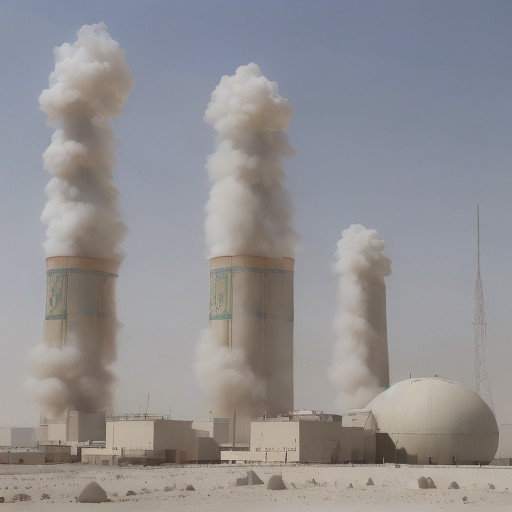
Introduction: A New Chapter in Iran’s Nuclear Ambitions
In a striking move that has sent shockwaves through the international community, Iran has recently escalated its nuclear activities, activating advanced centrifuges capable of enriching uranium at unprecedented speeds. This development comes on the heels of a stern censure from the International Atomic Energy Agency (IAEA), igniting fears of a renewed nuclear arms race in the Middle East. As tensions mount, the world watches closely, wondering what this bold maneuver means for global security.
Advanced Centrifuges: A Game-Changer for Enrichment
The activation of advanced centrifuges marks a significant leap in Iran’s nuclear capabilities. These sophisticated machines enable the country to enrich uranium more efficiently, raising alarms about its intentions. With each turn of the centrifuge, Iran inches closer to achieving the ability to produce weapons-grade material, a prospect that has long haunted international diplomatic efforts.
Experts warn that this accelerated enrichment process could lead to a situation where Iran is able to stockpile enough uranium for a nuclear weapon within a dangerously short timeframe. This capability not only complicates the geopolitical landscape but also undermines years of negotiations aimed at curbing Iran’s nuclear ambitions.
The IAEA’s Response: Scrutiny Intensifies
The IAEA’s recent censure of Iran serves as a backdrop to this escalation. The agency, responsible for monitoring nuclear activities globally, has expressed growing concern over Iran’s lack of transparency and compliance with international agreements. The activation of advanced centrifuges is viewed as a direct challenge to the IAEA’s authority and a blatant disregard for the nuclear non-proliferation norms that have governed international relations for decades.
In response to the IAEA’s criticisms, Iran has adopted a defiant posture, asserting its right to pursue nuclear technology for peaceful purposes. However, the international community remains skeptical, interpreting these actions as a strategic maneuver to bolster Iran’s bargaining position in any future negotiations.
Regional Implications: A Powder Keg of Tensions
The escalation of Iran’s nuclear program has far-reaching implications for regional stability. Iran’s enhanced nuclear capabilities could embolden its regional allies, such as Hezbollah, and exacerbate existing tensions with nations like Israel. Both countries have a long history of hostility, and the prospect of a nuclear-armed Iran is a nightmare scenario for Israeli security officials.
Israel has consistently maintained that it will not allow Iran to acquire nuclear weapons, and this latest development may prompt a reevaluation of its military strategy. The potential for preemptive strikes or increased military cooperation with other regional players becomes more plausible as Iran’s nuclear capabilities expand. As the stakes rise, the risk of miscalculation or conflict could have catastrophic consequences for the entire region.
Tehran’s Strategy: Bargaining Power Through Nuclear Advancement
Iran’s decision to activate advanced centrifuges is not merely a technical upgrade; it is a calculated strategy designed to enhance its leverage in future diplomatic negotiations. By demonstrating its capability to enrich uranium more rapidly, Iran seeks to position itself as a formidable player on the global stage.
This move serves multiple purposes for Tehran. Firstly, it showcases Iran’s scientific and technological progress, challenging the narrative that it is a pariah state lacking in capabilities. Secondly, it sends a message to the United States and its allies that Iran will not be easily coerced into relinquishing its nuclear aspirations. The more advanced its nuclear program becomes, the more difficult it may be for the international community to impose sanctions or other punitive measures.
International Reactions: A Divided Response
The international response to Iran’s latest nuclear activities has been mixed. While Western powers express outrage and concern, some nations, particularly those in the Global South, argue that Iran has a right to develop its nuclear capabilities for peaceful purposes. This divergence in perspectives highlights the complexities of international relations and the challenges of reaching a consensus on nuclear non-proliferation.
Countries like Russia and China have historically supported Iran’s right to pursue nuclear technology, complicating efforts to impose stricter sanctions or diplomatic pressure. The geopolitical landscape is further muddied by these alliances, reflecting the intricate web of interests at play in the region.
The Path Forward: Negotiation or Confrontation?
As Iran continues to push the boundaries of its nuclear program, the question remains: what comes next? Will the international community respond with renewed diplomatic efforts, or will tensions escalate into confrontation? The stakes are high, and any misstep could lead to disastrous consequences.
Some analysts argue that engaging Iran in dialogue is the best way forward. They assert that diplomatic negotiations, combined with a robust verification regime, could help ensure that Iran’s nuclear program remains peaceful. However, others caution that Iran’s actions demonstrate a clear intent to pursue a nuclear weapon, making negotiations increasingly difficult.
Conclusion: A Tipping Point in Nuclear Proliferation
Iran’s activation of advanced centrifuges signals a pivotal moment in the ongoing saga of nuclear proliferation. As the world grapples with the implications of this escalation, the potential for conflict looms large. With each passing day, the urgency for a comprehensive and effective strategy to address Iran’s nuclear ambitions becomes more pressing.
In the coming months, as diplomatic efforts unfold and regional tensions intensify, the international community must confront the reality that Iran’s nuclear capabilities are no longer a distant concern, but a pressing issue demanding immediate attention. The choices made now will shape the future of global security and the delicate balance of power in the Middle East.


