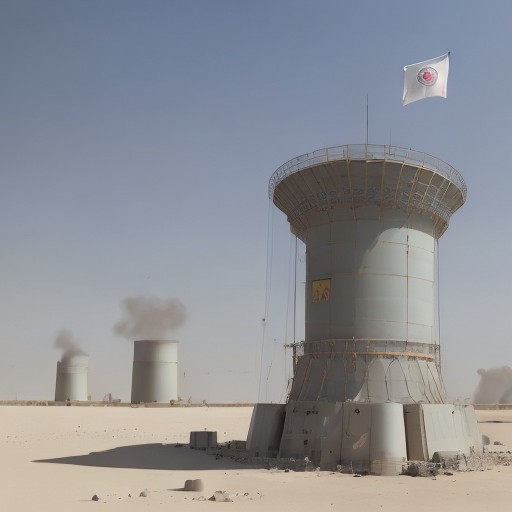
Iran’s Bold Move: Activation of Advanced Centrifuges
In a dramatic escalation of its nuclear program, Iran has announced the activation of a “noticeable number of new and advanced centrifuges” aimed at enriching uranium. This decision comes on the heels of mounting criticism from the International Atomic Energy Agency (IAEA), which has been urging Tehran to cooperate more fully with its monitoring efforts. The IAEA has long expressed concerns over Iran’s nuclear ambitions, particularly regarding undeclared nuclear sites and the presence of uranium traces that suggest potential military applications.
The Enrichment Process: A Double-Edged Sword
The newly activated centrifuges will play a crucial role in Iran’s uranium enrichment process, a technology that opens the door to both civilian energy production and the development of nuclear weapons. While Iranian officials maintain that their nuclear program is solely for peaceful purposes, the IAEA’s fears are not unfounded. Reports indicate that Iran possesses enough enriched uranium to create several nuclear bombs if it were to shift its focus towards weaponization.
IAEA’s Call for Compliance: A Political Battlefield
As tensions rise, the IAEA has passed a resolution demanding that Iran urgently enhance its cooperation with the agency. This includes a thorough evaluation of Iran’s compliance with international nuclear agreements and a request to clarify the status of any undeclared nuclear material. However, Iran has dismissed the resolution as politically motivated, claiming it is influenced by the United States and three European nations. Despite these accusations, Iranian officials have stated their commitment to continue technical and safeguards cooperation with the IAEA, albeit with a cautious approach.
Escalating Regional Tensions: A Complex Web of Conflict
The activation of advanced centrifuges not only heightens tensions between Iran and the IAEA but also complicates the already fragile geopolitical landscape of the Middle East. With Israel adamantly opposed to Iranian nuclear advancements, Israeli Prime Minister Benjamin Netanyahu has publicly asserted that Israel has taken measures to damage Iran’s nuclear capabilities in a recent military operation. This delicate interplay of military and diplomatic tactics poses significant risks for regional stability.
The Broader Implications: What’s at Stake?
The implications of Iran’s enhanced nuclear activities are far-reaching and complex. For one, this development could provoke a renewed arms race in the Middle East, as neighboring countries may feel compelled to bolster their own military capabilities in response to Iran’s actions. Additionally, the potential for increased conflict between Iran and Israel, particularly in the context of the ongoing hostilities involving Iranian-backed militias in Lebanon and Gaza, could lead to further instability in the region.
International Reactions: A Divided World
Global reactions to Iran’s announcement have been swift and polarized. Western nations, particularly the US and its European allies, have condemned Iran’s actions, arguing that they undermine international efforts to prevent the proliferation of nuclear weapons. Conversely, some countries in the region view Iran’s advancements as a necessary counterbalance to perceived threats from Israel and its allies. This divide highlights the complexities of international diplomacy surrounding Iran’s nuclear program.
Public Opinion: A Call to Action or a Path to Peace?
As news of Iran’s nuclear advancements spreads, public opinion is likely to become a significant factor in shaping future policies. Some argue that diplomatic engagement, rather than military confrontation, is the key to resolving tensions and ensuring stability in the region. Others, however, believe that tougher sanctions or preemptive actions may be necessary to curb Iran’s ambitions. This debate underscores the urgent need for a comprehensive approach to addressing the challenges posed by Iran’s nuclear program.
Looking Ahead: The Future of Iran’s Nuclear Program
The future of Iran’s nuclear program remains uncertain, with many variables at play. As the IAEA continues to monitor Iran’s activities, the international community must grapple with the question of how to effectively address the dual threats of nuclear proliferation and regional instability. Will Iran’s recent actions lead to a renewed push for diplomatic negotiations, or will they trigger a more aggressive stance from its adversaries?
Conclusion: A Critical Juncture
In conclusion, Iran’s activation of new advanced centrifuges marks a critical juncture in the ongoing saga of its nuclear program. The potential consequences of this decision are profound, not only for Iran but for the entire Middle East and beyond. As tensions rise and the stakes become higher, the world watches closely, aware that the path taken in the coming months could define the future of international relations in the region.
Join the conversation: What do you think about Iran’s nuclear advancements? Are diplomatic solutions still viable, or are we heading towards a more dangerous confrontation? Share your thoughts below!


