
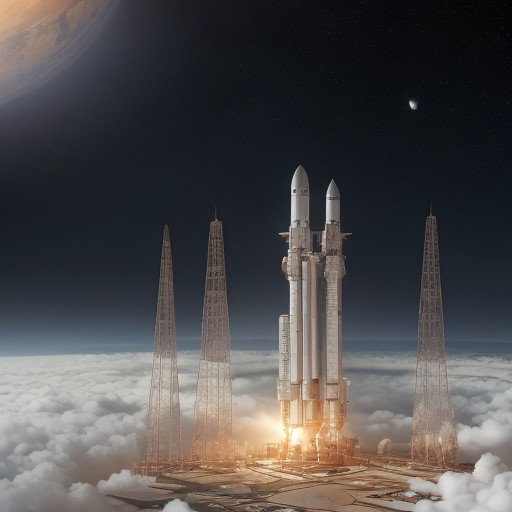
Introduction: ISRO’s Galactic Ambitions
The Indian Space Research Organisation (ISRO) is not just a national pride; it’s a symbol of India’s soaring aspirations in the realm of space exploration. With recent groundbreaking missions, strategic collaborations, and ambitious projects, ISRO is setting the stage for a transformative era in space technology. The question on everyone’s lips is: How far can India reach in the cosmos? Buckle up as we dive into the latest developments that are propelling ISRO into the global space spotlight.
Cooperation Pact: Strengthening International Ties
In a significant move that signals the growing importance of international collaboration in space research, ISRO has signed a cooperation pact with the Australian Space Agency. This partnership aims to nurture advancements in human space flight, a field that has become increasingly competitive and collaborative in recent years. Why is this crucial? This pact not only enhances the technological capabilities of both nations but also positions India as a key player in the global space narrative.
Chandrayaan-3: A Historic Lunar Leap
One of ISRO’s crowning achievements, the Chandrayaan-3 mission, marked a historic milestone by successfully landing near the lunar South Pole—a feat that few nations have accomplished. This mission is a testament to India’s technological prowess and commitment to space exploration. The implications of this success are monumental: it not only showcases India’s capabilities but also opens new avenues for lunar research and potential resource extraction. As nations scramble to stake their claim in the Moon’s unexplored territories, India’s strategic positioning could yield both scientific and economic benefits.
Future Missions: Charting New Frontiers
Looking ahead, ISRO is gearing up for a series of ambitious missions that promise to take India deeper into the cosmos. The Gaganyaan mission, aimed at human spaceflight, is slated to commence its unmanned flight tests in October 2026. This ambitious endeavor will be a litmus test for ISRO’s capabilities in sending humans into space. Moreover, the Chandrayaan-4 mission is scheduled for 2028, which continues the legacy of lunar exploration.
Additionally, the Indian government has greenlit a Venus orbital mission, marking another leap into the unknown. This mission is expected to pose numerous challenges, yet it emphasizes ISRO’s relentless quest for knowledge and exploration. As the world watches, India’s endeavors could redefine our understanding of neighboring planets.
Partnerships for Progress: Collaborating with SpaceX
In a surprising yet strategic turn, ISRO is partnering with SpaceX to launch heavy payloads such as the GSAT-N2 and GSAT-20 satellites, weighing in at an impressive 4,700 kg. This collaboration arises from operational limitations faced by Indian launch vehicles, illustrating the need for flexibility and innovation in today’s space landscape. But what does this mean for India’s independent launch capabilities? Critics may argue that reliance on foreign technology could impede ISRO’s growth, while supporters highlight the pragmatic approach to achieving mission objectives.
Technological Advancements: Pushing the Envelope
ISRO is not just resting on its laurels; it is actively advancing its technological capabilities. Recent developments include the exploration of electric thrusters for steering satellites into desired orbits. This innovation could revolutionize satellite maneuverability and efficiency. Furthermore, ISRO is establishing a Centre of Excellence in ‘Fluid and Thermal Sciences’ in collaboration with IIT Madras, aiming to enhance expertise in fluid dynamics and thermal engineering—critical areas for successful space missions. These advancements signify a commitment to maintaining a competitive edge in the rapidly evolving space sector.
The Economic Landscape: A Booming Space Economy
As ISRO expands its horizons, so does the economic landscape of the Indian space sector. The Indian space economy is projected to skyrocket from $8.4 billion to an astounding $45 billion over the next decade. This growth indicates a burgeoning sector ripe for investment and innovation. As more private players enter the fray, the competition will likely drive down costs and increase accessibility to space technologies. But will this rapid growth lead to regulatory challenges and market saturation? Only time will tell.
Call to Action: Investment in Space
In a bold statement, ISRO Chairman S. Somanath has urged industry leaders to invest heavily in the space sector, emphasizing the need for financial backing to propel India as a major space power by 2047. This call to action is not just a plea for funding; it’s a clarion call for a national vision that aligns with global aspirations. As India seeks to carve its niche in an increasingly competitive space arena, the question arises: Are we ready to invest in our future among the stars?
Conclusion: A New Dawn for ISRO
ISRO’s recent achievements and future missions are paving the way for a new era of space exploration. From groundbreaking lunar missions to strategic international partnerships, ISRO is not just keeping pace with global advancements but setting the agenda for future exploration. As we stand on the brink of a new frontier, the implications of ISRO’s endeavors extend far beyond the confines of Earth. They challenge us to think about our place in the universe and the potential that lies ahead. The world is watching, and India is poised to make its mark in the cosmos.
As we anticipate the unfolding of these ambitious projects, one thing is clear: ISRO is not just a space agency; it is a beacon of hope and innovation. Whether you’re a skeptic or a supporter, the journey of ISRO invites all of us to engage in the conversation about our future among the stars. What are your thoughts on ISRO’s trajectory? Will it become the global leader in space exploration, or will it face challenges that hold it back? The debate is just beginning.


