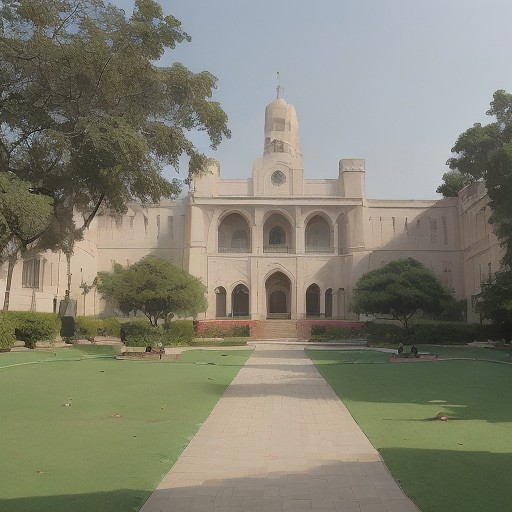
Introduction: The Legacy of Jamia Millia Islamia
Jamia Millia Islamia University, a prestigious central university located in the heart of New Delhi, India, has stood tall since its inception in 1920. Known for its commitment to multidisciplinary courses and a robust emphasis on academic excellence, Jamia has carved a niche for itself as a center for higher learning. With a student body that reflects India’s diverse culture, the university has been a melting pot of ideas, ideologies, and aspirations. However, its journey has not been devoid of challenges, controversies, and criticisms that have shaped its narrative over the decades.
Academic Excellence and Multidisciplinary Approach
Jamia Millia Islamia prides itself on its multidisciplinary approach to education. Offering a wide array of courses in fields such as humanities, social sciences, engineering, and health sciences, the university has continually adapted its curriculum to meet the demands of a changing world. Its emphasis on research and innovation has led to a slew of notable alumni who have excelled in various domains, from politics to science.
In recent years, Jamia has also made strides in international collaborations, partnering with various universities across the globe. This has enhanced its academic offerings and provided students with opportunities to engage in global discourse, fostering a sense of global citizenship among its learners.
Controversies and Protests: A Divided Campus
Despite its academic accolades, Jamia Millia Islamia has not been immune to controversy. In December 2019, the university became a focal point of protests against the Citizenship Amendment Act (CAA). These protests were marked by tensions that culminated in a shocking incident—an armed man fired at protesters while shouting, “Yeh lo Azaadi” (“This is freedom”). This event shocked the nation and raised questions about the safety of students within the campus.
The protests at Jamia were not just about the CAA; they represented a broader discontent among students regarding alleged discrimination and marginalization. As the protests gained momentum, the university became a symbol of resistance, drawing attention from media, political leaders, and human rights organizations.
Recent Allegations of Discrimination
Fast forward to 2024, and Jamia Millia Islamia finds itself embroiled in yet another controversy. A report surfaced alleging grave discrimination against Hindu students within the university. According to the report, several students claimed they faced discriminatory statements and intimidation, sparking a heated debate over the university’s commitment to inclusivity and its handling of diversity.
This revelation has sent shockwaves through the academic community and beyond. Critics argue that the very essence of a university—a place for open dialogue and mutual respect—is being compromised. Supporters of the university, however, argue that these allegations are exaggerated and politically motivated, aimed at tarnishing the institution’s reputation.
Jamia’s Response: A Call for Dialogue
In the wake of these allegations, the administration of Jamia Millia Islamia has called for dialogue and introspection. University officials have emphasized their commitment to fostering an inclusive environment, inviting students from all backgrounds to voice their concerns. They maintain that Jamia has always been a space for tolerance and equity, and they are dedicated to addressing any grievances raised by students.
However, the effectiveness of these measures remains to be seen. Many students feel that mere dialogue is not enough; they seek actionable steps to ensure their safety and to promote a culture of respect and understanding. As the university navigates these turbulent waters, the challenge lies in restoring trust among its diverse student body.
The Implications of Controversy
The controversies surrounding Jamia Millia Islamia have broader implications not just for the university, but for the landscape of higher education in India. As universities increasingly become battlegrounds for political ideologies and social movements, the question arises: how can institutions maintain their integrity while fostering a rich, diverse environment?
With students more vocal than ever, universities like Jamia must grapple with the delicate balance between academic freedom and social responsibility. The need for policies that protect students from discrimination while allowing for free expression is paramount. As these debates unfold, they will undoubtedly shape the future of higher education in India.
The Role of Social Media and Public Perception
Social media has emerged as a powerful tool in amplifying voices and mobilizing movements. The protests at Jamia Millia Islamia garnered widespread attention on platforms like Twitter and Instagram, where students shared their experiences and rallied support. This has led to an increased awareness of issues related to university governance, student rights, and academic freedom.
However, the flip side of this phenomenon is the potential for misinformation and polarization. As narratives around Jamia continue to evolve, public perception can shift rapidly, influenced by biased portrayals in the media or on social platforms. It raises the question: how can institutions effectively communicate their values and address controversies in a digital age?
The Path Forward for Jamia Millia Islamia
As Jamia Millia Islamia navigates through these challenging times, the future of the university remains uncertain yet hopeful. The administration’s commitment to fostering dialogue and inclusivity will be crucial in addressing the concerns of students and restoring faith in the institution.
Moreover, the university must actively engage with its alumni and the broader community to rebuild its reputation as a bastion of academic excellence and social justice. Initiatives that promote cultural exchange and understanding among students of different backgrounds can pave the way for a more harmonious campus environment.
Conclusion: A Reflection of Society
Jamia Millia Islamia University stands as a microcosm of Indian society—rich in diversity, fraught with challenges, yet brimming with potential. The controversies it faces are not merely isolated incidents; they reflect the broader societal issues that India grapples with today. As the university continues to evolve, it must embrace its role as a leader in higher education, championing values of inclusivity, respect, and academic freedom.
The road ahead may be rocky, but with collective effort and a commitment to dialogue, Jamia Millia Islamia can emerge stronger than ever, ensuring that it remains a beacon of hope and excellence in the ever-changing landscape of Indian higher education.


