
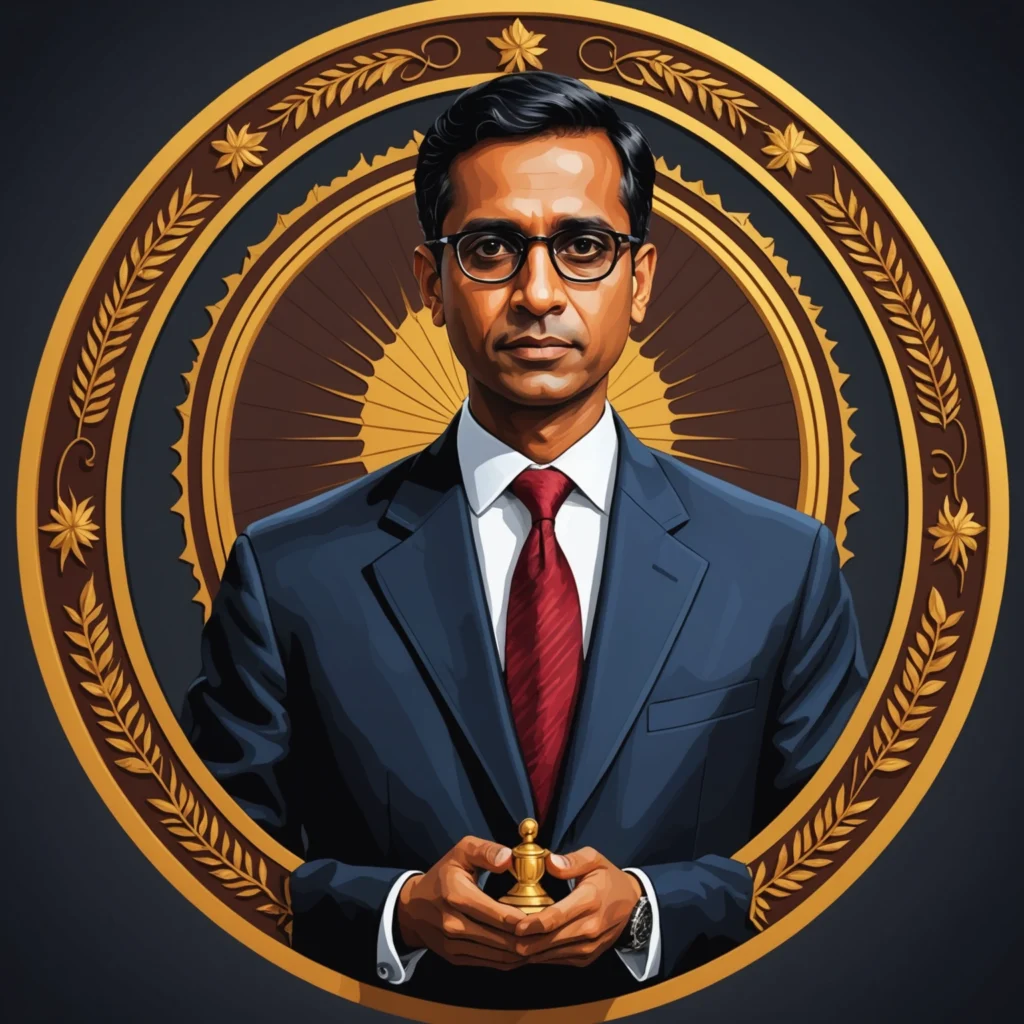
The Ascension of Justice DY Chandrachud
On November 8, 2022, Justice DY Chandrachud stepped into the prestigious role of the 50th Chief Justice of India, a position that would see him navigating the complex and often turbulent waters of Indian jurisprudence until his retirement on November 11, 2024. With a tenure that lasted just over two years, Justice Chandrachud’s leadership of the Supreme Court was marked by profound legal insights, landmark rulings, and a staunch commitment to judicial independence.
Landmark Judgments: Shaping the Future of Indian Law
Justice Chandrachud’s time in office was defined by several landmark judgments that not only shaped the legal landscape of India but also resonated with the public consciousness. Among his most notable decisions was the resolution of the Ayodhya land dispute, a case that had lingered for decades and held deep emotional significance for millions. His ruling aimed to achieve a delicate balance between faith and law, underscoring the judiciary’s role in conflict resolution.
Another critical moment in his tenure was the abrogation of Article 370, which revoked the special status of Jammu and Kashmir. The decision generated considerable debate and controversy, with Justice Chandrachud emphasizing the need for a nuanced understanding of constitutional provisions and their implications on the rights of citizens.
Perhaps one of his most celebrated rulings was the decriminalization of consensual gay sex, a landmark verdict that struck down archaic laws and marked a significant step towards equality and human rights in India. Justice Chandrachud’s judgment was hailed as a victory for the LGBTQ+ community, reflecting his belief in the fundamental right to love and live freely.
Advocating for Judicial Independence
Throughout his tenure, Justice Chandrachud was a vocal advocate for judicial independence. In a landscape where the judiciary often faces pressures from the executive branch, he championed the need for an impartial judiciary free from external influences. His public statements underscored the importance of maintaining faith in the judicial process, especially in times of crisis.
In one of his most striking public addresses, Justice Chandrachud spoke directly to the deity involved in the Ayodhya case, expressing his faith in the pursuit of justice. This unique approach highlighted his belief that the judiciary must remain sensitive to the cultural and spiritual dimensions of the cases it adjudicates.
Public Engagement and Community-Based Justice
Justice Chandrachud’s commitment to justice extended beyond the courtroom. He actively engaged with various public forums, including a notable speech at the third convocation ceremony of the Jigme Singye Wangchuck School of Law in Bhutan. There, he emphasized the significance of integrating traditional community-based dispute resolution mechanisms with modern constitutional ideas, advocating for a holistic approach to justice that respects cultural contexts.
His engagement with the public and law students demonstrated his belief that the future of justice lies in a collaborative approach that honors both tradition and modernity. This vision is particularly critical in a diverse country like India, where legal solutions must often navigate complex cultural landscapes.
Addressing Sensitive Issues: A Compassionate Judiciary
In a powerful demonstration of his compassionate approach to justice, Justice Chandrachud made headlines on his last day in office by providing relief to parents seeking euthanasia for their terminally ill children. This ruling not only showcased his sensitivity to humanitarian issues but also opened the floodgates for discussions around the ethics of euthanasia in India.
Such rulings reflect a judiciary that is not just a cold arbiter of law but one that is deeply engaged with the human experience, recognizing the complexities of life and death decisions faced by families. Justice Chandrachud’s legacy is one that encourages future judges to consider the emotional and social ramifications of their decisions.
The Transition: Justice Sanjiv Khanna Takes the Helm
As Justice DY Chandrachud prepared to demit office, the legal community looked towards his successor, Justice Sanjiv Khanna, who will lead the Supreme Court until May 13, 2025. The transition comes at a critical time in Indian jurisprudence, as several pivotal issues remain unresolved, including those surrounding civil liberties, environmental law, and the ongoing debates on judicial appointments.
Justice Khanna inherits a legacy that challenges him to uphold the independence of the judiciary while navigating the complexities of modern governance. The expectations for his tenure are high, as Justice Chandrachud has set a precedent that emphasizes the importance of judicial integrity, compassion, and public engagement.
What Lies Ahead: Speculations and Implications
The legal landscape in India is ever-evolving, and as Justice Sanjiv Khanna takes charge, many are left pondering the implications of Justice Chandrachud’s rulings. Will the incoming Chief Justice continue the trend of landmark decisions that favor progressive social reforms? Or will he adopt a more conservative approach, reflecting the changing tides of Indian politics?
Discussions around the implications of Justice Chandrachud’s tenure are already igniting debates across the country. Legal experts and the public alike are keen to see how his legacy will influence future rulings, particularly in matters of individual rights and freedoms. The judiciary’s role in upholding the constitution and protecting the rights of marginalized communities remains a critical issue that will undoubtedly shape the course of Justice Khanna’s leadership.
The Legacy of Justice DY Chandrachud: A Call for Reflection
As we reflect on Justice DY Chandrachud’s remarkable career and tenure as Chief Justice, it is essential to recognize the impact he has had on the Indian judiciary and society as a whole. His commitment to judicial independence, his landmark rulings, and his compassionate approach to justice serve as a beacon of hope for a legal system that strives to uphold the principles of democracy and equality.
Justice Chandrachud’s legacy encourages a reevaluation of the judiciary’s role in India, urging future justices to prioritize not only the letter of the law but also the spirit of justice that permeates it. As the nation moves forward, the ideals he championed will continue to resonate, inspiring a new generation of legal minds to carry the torch of justice.
Conclusion: Shaping the Future of Justice in India
Justice DY Chandrachud’s tenure as Chief Justice of India will be remembered for its groundbreaking judgments, unwavering commitment to judicial independence, and a profound understanding of the human condition. His legacy is one that invites ongoing discussion and engagement with the evolving nature of justice in India.
As we bid farewell to his leadership, we are reminded that the journey towards justice is ongoing. The legal community and the citizens of India must remain vigilant, advocating for a judiciary that embodies the ideals of fairness, compassion, and independence that Justice Chandrachud so fervently upheld.



