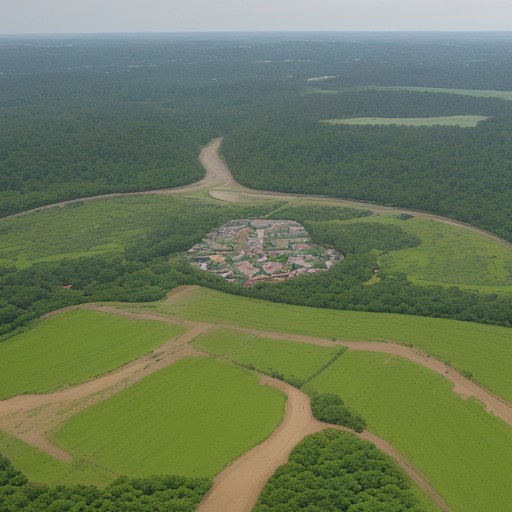
The Great Name Change: Karimganj Becomes Sribhumi
In a bold move that has sparked debates across the region, the Assam government announced on November 24, 2024, that Karimganj district will now be known as Sribhumi. This decision, championed by Chief Minister Himanta Biswa Sarma, aims to honor the illustrious legacy of Rabindranath Tagore and his vision for cultural and social harmony. But what does this renaming really mean for the people of Karimganj and the larger Assamese identity?
Unpacking the Decision
The renaming of Karimganj to Sribhumi is not just a simple change of name; it reflects deeper cultural sentiments and aspirations of the local populace. According to Chief Minister Sarma, the new name pays homage to Tagore’s teachings, which emphasized the importance of unity and peace. “This decision is a tribute to the literary genius who dreamt of a harmonious society,” he stated during the announcement, stirring both support and skepticism among residents.
Local Reactions: Support and Dissent
In the days following the announcement, reactions from the public have been mixed. Some residents express excitement over the new name, believing it could foster a renewed sense of identity and pride among the locals. “Sribhumi sounds beautiful and reflects our rich heritage,” said a local school teacher, who advocates for the change. On the other hand, many others feel a sense of loss over the name Karimganj, which has historical significance and evokes memories of the region’s past.
Critics argue that renaming the district might be an unnecessary distraction from pressing issues such as infrastructure development and economic growth. “We need to focus on real problems like unemployment and education rather than changing names,” lamented a local businessman. This sentiment resonates with many who fear that the government is prioritizing symbolic gestures over substantive progress.
The Economic Landscape: Gold Prices and Local Markets
As the winds of change sweep through Karimganj, the local economy remains a critical focal point. On November 25, 2024, gold prices in Karimganj were recorded at ₹81,506 per 10 grams for 24-carat gold and ₹75,089 for 22-carat gold. This fluctuation in gold prices reflects broader economic trends affecting Assam and raises questions about the region’s financial stability.
With the festive season approaching, many locals are concerned about the rising costs of gold. Jewelers report a surge in demand, yet higher prices are pushing many potential buyers to reconsider their purchases. “People are still buying gold for weddings and festivals, but the prices are making it harder,” said a local jeweler. This situation highlights the delicate balance between cultural practices and economic realities that many families must navigate.
Infrastructure Development: The Flyover Controversy
One of the most contentious issues currently facing Sribhumi is the proposed construction of a four-lane flyover. The project has ignited a firestorm of controversy due to plans to cut down around 25 century-old trees. Environmentalists and local residents are up in arms, arguing that this move threatens the ecological balance and erases a vital part of the city’s heritage.
Chief Minister Sarma has attempted to address these concerns by assuring the public that the government is committed to preserving the environment while advancing infrastructure. “We understand the importance of our natural heritage, and we are working to mitigate any adverse impacts,” he stated at a recent public meeting. However, many remain skeptical of these assurances, fearing that economic development could come at the cost of environmental degradation.
Border Security: A Growing Concern
As Sribhumi embarks on this new chapter, border security continues to be a pressing issue. The Assam Police have been actively engaged in efforts to fortify the international border with Bangladesh. Recent reports indicate that two individuals, identified as Dilara Begum and Shoel Hawladar, were pushed back by authorities while attempting to cross the border from Karimganj.
This incident reflects the ongoing challenges faced by Assam in managing its borders, particularly amid concerns about illegal immigration and smuggling. The government’s stringent measures have garnered support from some quarters, but they have also raised questions about human rights and the treatment of individuals seeking refuge.
Looking Ahead: The Future of Sribhumi
As Sribhumi navigates these turbulent waters, the future remains uncertain. The renaming has opened a Pandora’s box of conversations around identity, heritage, and progress. Will this change foster a stronger sense of community, or will it further divide the residents of this culturally rich region?
Moreover, as the government pushes forward with infrastructure projects and border security initiatives, it must balance development with the preservation of its historical and natural assets. The voices of the people will play a crucial role in shaping the trajectory of Sribhumi, and it is imperative for local leaders to engage in an ongoing dialogue with their constituents.
Conclusion: A New Era for Karimganj
The renaming of Karimganj to Sribhumi is a significant milestone that reflects the complexities of identity and culture in Assam. As the region grapples with pressing economic, environmental, and social issues, the community’s response will ultimately determine whether this transformation is seen as a blessing or a burden. With the eyes of the nation watching, Sribhumi stands at a crossroads, poised to carve out its new identity in a rapidly changing world.
As developments unfold, residents and observers alike will be keenly interested in how this new name and the accompanying changes will shape the future of this vibrant region. Will Sribhumi rise to the occasion and become a beacon of progress, or will it struggle to reconcile its past with its ambitions? The answer lies in the hands of its people.


