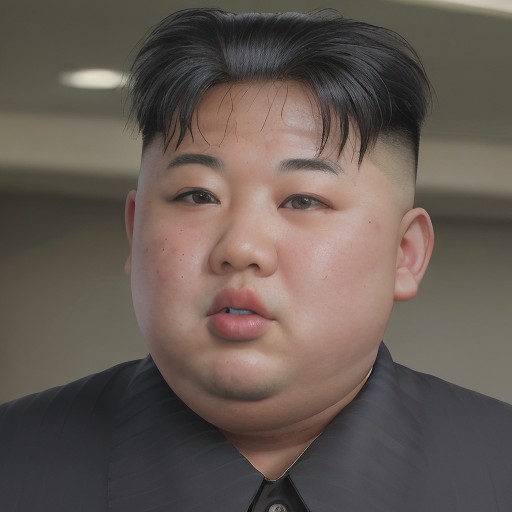
Introduction: The Enigmatic Leader of North Korea
Since ascending to power in December 2011, Kim Jong Un has captivated the world with his unpredictable behavior and audacious military strategies. As the supreme leader of North Korea and the general secretary of the Workers’ Party of Korea, Kim has maintained a tight grip on power while engaging in a series of controversial actions that have drawn international scrutiny. As we approach the end of 2024, the latest developments in North Korea’s military ambitions and diplomatic maneuvers have intensified global tensions, making it imperative to examine the implications of Kim Jong Un’s decisions.
Ballistic Missile Tests: A Show of Force
One of the most alarming trends under Kim’s leadership has been the relentless pursuit of ballistic missile technology. In recent months, North Korea has conducted a series of missile tests, with the most notable occurring just before the US elections in November 2024. These tests are not merely military exercises; they are strategic displays aimed at demonstrating North Korea’s capability to strike the US mainland.
Experts believe that Kim’s timing was deliberate, intending to send a message to Washington amid a politically charged atmosphere. The growing proficiency of North Korea’s missile program has raised alarms, leading to heightened military readiness among neighboring countries and the United States. The world watches with bated breath as Kim Jong Un continues to push the boundaries of acceptable military conduct.
Military Aggression: The Rise of Suicide Drones
In an unprecedented move, Kim Jong Un has also ordered the development and mass production of suicide drones, a significant escalation in North Korea’s military capabilities. These drones have been tested for accuracy, successfully targeting various military assets. This aggressive military strategy has elicited strong reactions from neighboring countries, especially South Korea, which is already on high alert given the volatile history of the Korean Peninsula.
The introduction of suicide drones signals a shift in North Korea’s military tactics, emphasizing asymmetric warfare and the ability to inflict damage without direct confrontation. As Kim continues to refine this technology, the potential for increased military aggression in the region is a cause for concern among international leaders.
Cooperation with Russia: A New Alliance?
The geopolitical landscape has shifted dramatically with reports of North Korean troops being deployed to Russia in support of Moscow’s ongoing war in Ukraine. This unprecedented military cooperation has raised eyebrows among international observers and sparked condemnation from various world leaders, including those from South Korea and the European Union. The implications of such a partnership are profound, as it suggests a deepening alliance between two nations that have historically been isolated from the international community.
Critics argue that this collaboration could embolden both countries to pursue more aggressive military strategies, further destabilizing an already fragile global order. The potential for North Korean troops to gain combat experience in Ukraine raises critical questions about the future of military engagements in the region and beyond.
International Reactions: The Global Community Responds
In the wake of Kim Jong Un’s recent actions, the international community has responded with a mixture of condemnation and strategic recalibration. President Joe Biden has publicly denounced Kim’s aggressive maneuvers, expressing concern about North Korea’s growing partnership with Russia. The Biden administration has emphasized the importance of unity among South Korea, Japan, and the US in countering the military advancements of North Korea.
Furthermore, diplomatic channels have been activated, with various nations calling for renewed discussions on denuclearization and peace on the Korean Peninsula. However, the prospects for effective dialogue appear bleak, given Kim’s demonstrated willingness to pursue military options over diplomatic solutions.
The Implications of Kim Jong Un’s Actions
The series of military activities and diplomatic maneuvers undertaken by Kim Jong Un have far-reaching implications, not only for North Korea but for global stability as a whole. With the potential for increased military aggression and the establishment of new alliances, the world must grapple with the possibility of a more volatile future.
As tensions escalate, the risk of miscalculations leading to conflict grows. Regional players like South Korea and Japan are left to navigate this precarious landscape, weighing their military responses against the potential for diplomatic engagement. The situation calls for a delicate balance, as any misstep could lead to catastrophic consequences.
Public Perception and Domestic Implications
While Kim Jong Un’s actions are often viewed through the lens of international relations, it is essential to consider the domestic implications within North Korea. The regime has cultivated a narrative that positions Kim as a strong leader, capable of defending the nation against external threats. This narrative is crucial for maintaining internal support amid economic challenges and food shortages exacerbated by international sanctions.
By engaging in bold military actions, Kim aims to shore up his position domestically, diverting attention away from pressing social issues. However, the sustainability of this strategy remains in question, particularly as the people of North Korea face increasing hardships. The dichotomy between military spending and domestic welfare could ultimately challenge Kim’s authority.
Looking Ahead: Speculations and Future Scenarios
As we approach 2025, observers are left to speculate about the future direction of Kim Jong Un’s leadership. Will he continue to escalate military tensions, or will there be a shift towards seeking diplomatic solutions? The answer may depend on a multitude of factors, including internal pressures, international responses, and the evolving geopolitical landscape.
Some analysts suggest that Kim may attempt to leverage North Korea’s military advancements as a bargaining chip in future negotiations. By showcasing his nation’s capabilities, he could seek concessions from the international community, particularly in terms of sanctions relief. Others, however, fear that the trajectory of military aggression will continue unabated, leading to a potential conflict that could engulf the region.
Conclusion: A World on Edge
In conclusion, Kim Jong Un’s recent actions reflect a complex interplay of military ambition and international diplomacy. As the supreme leader of North Korea, he has proven adept at navigating the treacherous waters of global politics, but the implications of his choices extend far beyond the Korean Peninsula. With the world watching closely, the stage is set for a high-stakes game that could redefine international relations in the coming years.
The question remains: How will the global community respond to Kim Jong Un’s audacious moves, and what will the future hold for North Korea and its place on the world stage?


