
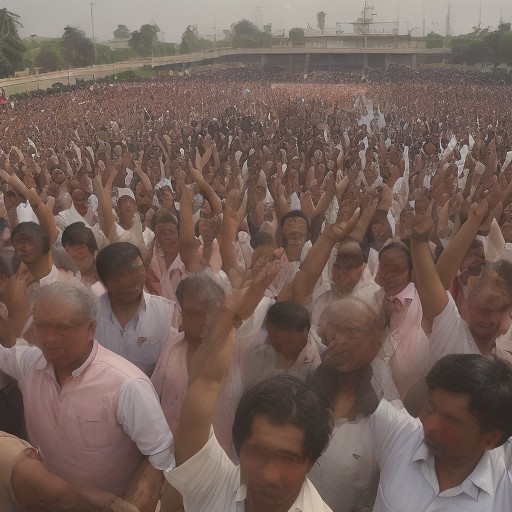
The Landscape of Maharashtra Politics: A New Era Begins
The Maharashtra Assembly elections, held on November 20, 2024, have written a new chapter in the state’s political saga. With a stunning landslide victory for the BJP-led Mahayuti alliance, the results have sparked a whirlwind of discussions and speculations about the future of governance in one of India’s key states. The Mahayuti alliance, comprising the BJP and the Eknath Shinde faction of the Shiv Sena, has secured a commanding 132 seats in the 288-member assembly, leaving the opposition reeling.
Key Highlights of the Election Results
As the dust settles on the electoral battlefield, the implications of this election are profound. The Shiv Sena (Eknath Shinde faction) clinched 57 seats, while the NCP (Ajit Pawar faction) followed with 41 seats. On the opposing front, the Maha Vikas Aghadi (MVA) alliance, which includes the Uddhav Thackeray faction of Shiv Sena, Congress, and NCP (Sharad Pawar faction), could only muster a mere 31 seats—20 from Shiv Sena UBT, 16 from Congress, and 10 from NCP Sharad Pawar faction.
A Closer Look at Marginal Victories
While the Mahayuti alliance celebrated its decisive win, several candidates emerged victorious by razor-thin margins, highlighting the fierce competition in this election. Notably, an AIMIM nominee in Malegaon Central triumphed by just 162 votes, and state Congress chief Nana Patole won from Sakoli with a narrow lead of 208 votes. These marginal victories underscore the intense political climate and the critical importance of every vote in shaping the assembly’s future.
Factors Behind Mahayuti’s Success
What contributed to the Mahayuti’s sweeping victory? Analysts point to several strategic maneuvers that resonated with the electorate:
- Hindu Consolidation: The BJP’s collaboration with the RSS and its affiliates played a crucial role in consolidating the Hindu vote. This strategic partnership was instrumental in countering the consolidation of Muslim votes, a factor that had previously influenced election outcomes.
- Dalit Outreach: Recognizing the significance of the Dalit community, the BJP undertook efforts to reconnect with this demographic. By addressing their concerns and framing the opposition as divisive, the party managed to garner crucial support.
- The Maratha Factor: The MMM (Muslims, Marathas, Mahars) factor, which had previously worked against the BJP, saw a shift this time. A notable number of Maratha leaders from Western Maharashtra contested as NCP candidates, successfully diverting Maratha votes from the Uddhav faction of the Shiv Sena.
- Local Schemes: The introduction of Shinde’s Ladki Bahin scheme, providing Rs 1,500 per month to poor women, alongside other welfare measures, significantly attracted rural voters back to the Mahayuti.
Reactions and Implications
The aftermath of the elections has been met with varied reactions. Supporters of the Mahayuti alliance celebrated the results as a validation of their governance, while the opposition has expressed concerns about the implications of such a decisive win. Critics argue that the consolidation of power could lead to authoritarian governance, stifling dissent and undermining democratic processes.
Moreover, the election results raise questions about the future of the MVA alliance. With only 31 seats, the coalition faces an existential crisis, prompting discussions about potential realignments and the need for introspection. Can the MVA regroup and redefine its strategy to regain the lost ground, or is this the beginning of a prolonged political drought for the opposition?
The Road Ahead: Speculations and Predictions
As Maharashtra looks ahead, the implications of the Mahayuti’s victory are far-reaching. Will the BJP-led government be able to deliver on its promises, or will it falter under the weight of expectations? Observers speculate that the government will likely focus on economic revival, social welfare programs, and infrastructure development to solidify its support base.
Furthermore, the BJP’s approach to governance in Maharashtra could set a precedent for future elections across the country. The party’s ability to consolidate various voter bases—especially the Hindus and Dalits—while weakening the MVA’s influence could serve as a model for its strategies in other states.
Conclusion: A New Chapter Unfolds
The Maharashtra Assembly elections of 2024 have not only reshaped the political landscape but have also ignited discussions about the future of democracy in the state. As the Mahayuti alliance prepares to govern, the eyes of the nation will be watching closely—waiting to see if this victory translates into tangible benefits for the people of Maharashtra or if it merely heralds a new era of political dominance.
With the stage set for a thrilling new chapter in Maharashtra’s politics, the conversations among citizens, analysts, and political pundits alike will only intensify in the coming months. Will the Mahayuti alliance live up to the expectations, or will the winds of change bring about new challenges?


