
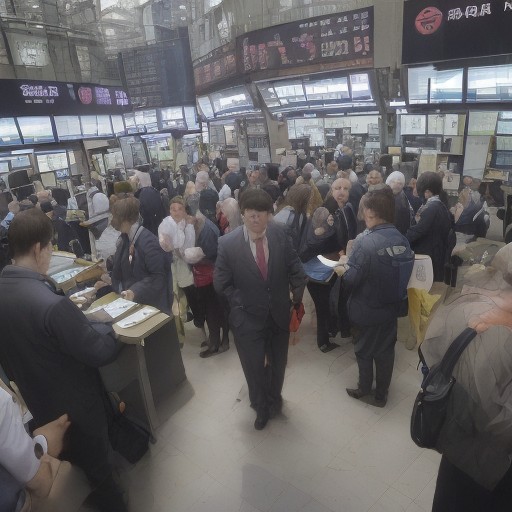
Introduction: A Tale of Two Markets
As of November 25, 2024, the global stock market landscape reveals a striking contrast between the U.S. and Indian markets. While investors in the United States revel in a significant rally, their Indian counterparts grapple with uncertainty and declining stocks. This duality not only reflects the diverse economic realities but also sets the stage for a deeper analysis of market sentiment and future outlooks.
The U.S. Stock Market: A Risk-On Rally Ignites Optimism
The U.S. stock market showcased remarkable resilience as the Dow Jones Industrial Average surged by an impressive 426 points, ending the week on a high note amid a burgeoning risk-on rally. Investors are buoyed by a series of positive economic indicators and corporate earnings that have exceeded expectations, leading to a wave of optimism across Wall Street.
Among the highlights, Nvidia‘s recent earnings release emerged as a pivotal moment, with Fundstrat’s Tom Lee praising the tech giant’s performance. This positive sentiment towards technology stocks has contributed significantly to the rally, with many investors speculating on further growth within the sector.
Additionally, exchange-traded funds (ETFs) are witnessing significant movements. The Energy Select Sector SPDR ETF rose by an astonishing 9.51%, reflecting a growing appetite for energy stocks amidst stabilizing oil prices. Conversely, the VanEck Junior Gold Miners ETF remained stable at 0.00%, illustrating the mixed sentiment towards precious metals in the current economic climate.
Indian Stock Market: A Rocky Road Ahead
In stark contrast, the Indian stock market faced a tumultuous day as the Sensex dropped 423 points to close at 77,156, while the Nifty fell by 169 points to settle at 23,350. The declines were largely attributed to mounting pressures on the Adani Group stocks, which have been under scrutiny following serious bribery charges against Gautam Adani and other top executives. This revelation has led to a significant loss in market capitalization, erasing over ₹2 lakh crore in value from the group’s stocks and casting a shadow over investor sentiment.
The impact of the Adani scandal rippled across the broader market, with an advance-decline ratio reflecting a bearish trend at 1:3. Such a drastic shift in market breadth signals a growing unease among investors, prompting questions about the sustainability of recent gains and the potential for further declines.
Sector Performances: Winners and Losers
Despite the overall downturn, some stocks exhibited resilience. Suzlon saw a remarkable rise, hitting an upper circuit for the third consecutive session, as investors rallied behind the renewable energy sector’s potential. Similarly, Paytm surged over 3% following a positive brokerage note from Bernstein, indicating renewed investor confidence in the fintech space.
In a glimmer of hope for the beleaguered market, Swiggy managed to snap a six-day losing streak, recording a nearly 2% rise. Moreover, NLC India emerged victorious as the highest bidder for the New Patrapara South Coal Mine in Angul, Odisha, suggesting a robust future for the company amidst market volatility.
Market Sentiment: Navigating Uncertainty
The prevailing sentiment in the Indian stock market is characterized by caution and anxiety. The **Adani Group’s** ongoing troubles have led many investors to question the stability of other companies within the index, thereby amplifying their fears. As the market grapples with these challenges, the question arises: why is the market closed today? Understanding the intricacies of trading holidays is crucial to navigate these uncertain waters.
Future Outlook: IPOs and Inflation Concerns
Looking ahead, the primary market is expected to remain robust in December, with 10 companies planning to raise approximately ₹20,000 crore through initial public offerings (IPOs). This influx of new capital could potentially invigorate the market and offer fresh opportunities for investors seeking growth amidst a backdrop of volatility.
However, inflationary pressures loom large, particularly in the “oils and fats” category, which rose to 9.51% in October. This spike is likely to affect food prices and consumer spending, posing additional risks to the market. Investors will need to keep a close eye on inflation trends and their potential ramifications on corporate earnings and economic growth.
Conclusion: A Call to Action for Investors
The stark divergence in market performance between the U.S. and Indian stock markets as of November 25, 2024, highlights the complex interplay of global economic factors and local challenges. Investors must stay informed, adapting their strategies to navigate the shifting landscape. As we look to the future, the looming question remains: is the market closed today? Understanding market holidays and trading schedules will be crucial for those looking to capitalize on upcoming opportunities.
With the potential for recovery in both markets, now is the time for investors to engage in thoughtful discussions and analyses. What does this mean for your investment strategy? How will you react to the changing tides? Join the conversation and share your thoughts on the current state of the markets!


