
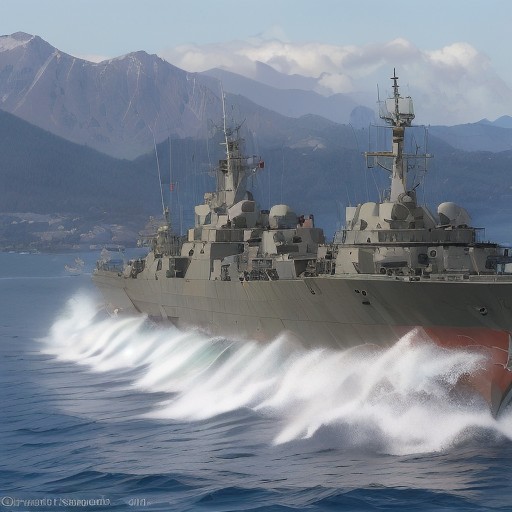
The Evolution of NATO: A Pillar of Collective Defense
The North Atlantic Treaty Organization (NATO) has long been hailed as a vital political and military alliance, uniting countries from Europe and North America under the shared commitment to collective defense. Established in 1949, NATO was created to counter the threats posed by the Soviet Union during the Cold War. Today, its mission extends beyond mere defense; it embodies a promise among member states to protect one another against any potential threats, making it a cornerstone of international security and stability.
Recent Developments: A Turning Point for NATO?
In recent months, NATO has been at the center of significant geopolitical events. Notably, NATO Secretary General Mark Rutte’s meeting with President-elect Donald Trump in Palm Beach, Florida, has sparked discussions about the future of global security. The meeting aimed to address pressing security concerns and re-evaluate NATO’s role in a rapidly changing world.
During their discussions, Rutte and Trump highlighted the importance of NATO’s collective security measures while also addressing the need for member nations to increase their military spending. This conversation reflects a growing sentiment within the alliance: that every member must pull its weight to ensure the organization’s effectiveness in an increasingly unpredictable global landscape.
Russia’s Surprising Offer: What It Means for NATO
Adding another layer of complexity to the current situation, reports have emerged suggesting that Russia has made a rare offer to NATO. While the specifics of this offer remain murky, it raises significant questions about the potential for dialogue—or conflict—between NATO and its historical adversary.
Could this offer be a genuine attempt by Russia to engage in constructive discussions, or is it merely a strategic maneuver to test NATO’s resolve? As tensions between NATO and Russia persist, this unexpected overture may represent either a turning point or a calculated risk that could escalate into further discord.
Global Security Concerns: The Stakes Are High
The backdrop of these discussions is a world fraught with uncertainty. From the threat of cyber warfare to the rise of new military technologies, global security concerns are more pressing than ever. NATO’s ability to adapt to these evolving threats is critical not only for its member states but also for international peace and stability.
As NATO endeavors to address these challenges, the alliance’s ongoing commitment to mutual defense is being tested. The implications of these developments could reshape the global security landscape, forcing NATO to reconsider its strategies and approaches to conflicts that were previously deemed manageable.
Member Nations: Striking a Balance Between Defense and Diplomacy
As NATO’s relevance continues to be scrutinized, member nations are grappling with the balance between defense spending and diplomatic efforts. The recent meeting between Rutte and Trump serves as a reminder that maintaining robust military capabilities is essential, yet diplomacy remains equally critical in fostering long-term stability.
Germany, France, and the United Kingdom have all been vocal about the need for a unified approach to security challenges. This unity is vital not only for the efficacy of NATO but also for sending a clear message to potential aggressors. However, the question remains: how can NATO ensure that it remains a formidable force while also embracing diplomatic solutions?
The Future of NATO: Challenges and Opportunities
As NATO navigates these turbulent waters, it faces both challenges and opportunities. The potential for enhanced cooperation with Russia could pave the way for a new era of dialogue. However, the alliance must remain vigilant, ensuring that any overture from Russia does not come at the expense of its core principles of collective security.
Moreover, with the rise of non-state actors and the increasing prevalence of cyber threats, NATO must expand its focus beyond traditional military capabilities. The integration of advanced technologies and a more comprehensive approach to security will be essential in meeting the diverse challenges of the 21st century.
Public Perception: A Call for Engagement
As NATO embarks on this new chapter, public perception plays a crucial role. Citizens of member states must be informed and engaged in discussions about the alliance’s future. The recent developments underscore the importance of transparency and communication in building public trust and support for NATO’s initiatives.
With varying opinions on NATO’s role in global security, it is imperative for member nations to foster a sense of shared responsibility and collective identity. Engaging the public in dialogue about the implications of NATO’s decisions will not only strengthen the alliance but also enhance its legitimacy on the global stage.
Conclusion: A Pivotal Moment for NATO
NATO stands at a pivotal moment in its history. The recent meeting between Secretary General Rutte and President-elect Trump, coupled with Russia’s unexpected offer, signals a potential shift in the dynamics of international security. As NATO continues to adapt to the ever-changing landscape, it must remain steadfast in its commitment to collective defense while also embracing opportunities for diplomacy and cooperation.
The future of NATO will undoubtedly shape the course of global security in the years to come. As member states grapple with the complexities of modern threats, the alliance’s ability to navigate these challenges will determine not only its relevance but also the security and stability of the entire region.
As we continue to watch these developments unfold, one thing is clear: NATO’s role in the global arena is more crucial than ever, and the implications of its actions will resonate far beyond the borders of its member states.


