Introduction: A Nation at a Crossroads
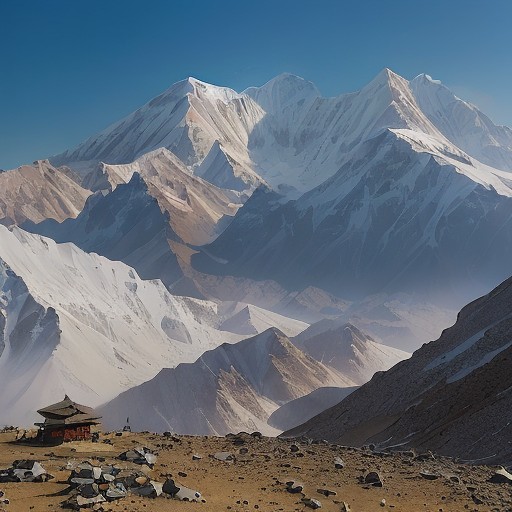
Nepal, the picturesque landlocked country nestled in the lap of the Himalayas, is in the throes of a dual crisis in 2023. While its breathtaking landscapes and rich culture often steal the spotlight, recent events have thrust Nepal into the global news cycle for far more sobering reasons. From catastrophic floods and landslides claiming lives to economic woes and political maneuvering, Nepal’s resilience is being tested like never before.
Devastating Floods and Landslides: A National Emergency
This year, Nepal has been grappling with severe floods and landslides triggered by unprecedented heavy rainfall. The toll has been staggering, with the death count climbing above 240 lives lost and over 28 individuals still missing. The government has declared a state of emergency and is on high alert for further heavy rainfall. Coordinated rescue operations involving security agencies and the army are underway to evacuate stranded citizens and distribute essential relief materials.
The impact of these natural disasters extends beyond loss of life; they have wreaked havoc on infrastructure, leaving communities vulnerable and isolated. The resilience of the Nepalese people is being put to the test as they confront this tragedy head-on, but the question remains: how long can this nation withstand such relentless blows from nature?
Economic Struggles: A Rising Debt Crisis
As if battling natural calamities weren’t enough, Nepal faces significant economic challenges. The public debt has soared to over 44% of the Gross Domestic Product (GDP), with an additional Rs 84 billion added in just the first four months of the fiscal year. Concerns are mounting over low capital spending, largely due to a lack of necessary policy and structural reforms.
Sadly, only one out of seven infrastructure budget heads has seen implementation, with the rest mired in bureaucratic challenges. This stagnation raises questions about the government’s ability to effectively manage resources and promote sustainable growth in a country that desperately needs it. Will the Nepalese government rise to the occasion, or will the debt crisis spiral out of control?
Infrastructure Projects: A Glimmer of Hope?
In a bid to boost morale and economic activity, Nepal Telecom has taken a commendable step by sponsoring a cricket team in the upcoming Nepal Premier League (NPL). This initiative underscores the company’s commitment to promoting sports and community engagement in the country.
Moreover, there is progress on the ground with infrastructure projects, most notably the ongoing asphalt work on the Muglin-Pokhara road section of the Prithvi Highway. With 2.4 kilometers completed in just a week, these developments could signal a turning point for the nation’s infrastructure woes. However, the question remains whether this glimmer of hope can be sustained amidst the prevailing challenges.
Political Landscape: A Shifting Tide
In the realm of politics, Nepal is witnessing a flurry of activity. The Koshi Province Government has approved the Province Agriculture Promotion Grant Third Amendment Regulations-2081, aimed at enhancing agricultural development in the region. This move is crucial as agriculture remains the backbone of Nepal’s economy, and such initiatives could potentially uplift the rural populace affected by the recent disasters.
Meanwhile, political stalwart Pushpa Kamal Dahal ‘Prachanda,’ Chairperson of the CPN (Maoist Centre), is making headlines for various reasons. His leadership during these turbulent times could either unify the country or exacerbate existing divisions. Will he be the unifying figure Nepal needs, or will his actions lead to further political strife?
Financial Sector: Market Dynamics and Future Outlook
On the financial front, Nepal Finance Ltd. (NFS) is making waves on the stock market with 7,299,067 shares outstanding and a market price of NRS 1427. The company has witnessed a 6.98% change in its last traded day, reflecting dynamic market conditions. With a market capitalization of NRS 10,415,769,279.69, NFS’s performance could be indicative of broader economic trends in Nepal.
However, investors and stakeholders are keeping a close watch on the overall economic landscape, given the rising public debt and ongoing infrastructure challenges. The financial sector’s ability to adapt and thrive amidst such uncertainty will be pivotal for Nepal’s recovery trajectory.
Community Resilience: The Heart of Nepal
Despite the dire circumstances, the spirit of the Nepalese people shines brightly. Communities are coming together, providing support to each other in the wake of tragedies. Local organizations and volunteers have mobilized to deliver food, shelter, and medical assistance to those affected by the floods and landslides.
Such grassroots efforts demonstrate an unyielding resilience and a commitment to rebuilding. However, as Nepal focuses on recovery, it is critical that the government and international partners prioritize long-term disaster preparedness and infrastructure development to mitigate future risks.
Conclusion: The Road Ahead for Nepal
Nepal stands at a critical juncture in its history, facing the dual challenges of natural disasters and economic instability. The resilience of its people, bolstered by community spirit and support, is commendable. However, the pressing need for effective governance, structural reforms, and strategic investments cannot be overstated.
As the nation grapples with these issues, the world watches with bated breath. Can Nepal emerge stronger from this turmoil? Will the government seize the opportunity to implement meaningful changes that benefit all citizens? Only time will tell, but one thing is clear: the heart of Nepal beats stronger than ever amidst adversity.


