
The Unfolding Crisis: Historical Abuse and the Call for Justice
In a nation renowned for its stunning landscapes and progressive values, New Zealand is currently facing a profound reckoning. The government has issued a formal apology to hundreds of thousands of individuals who suffered abuse while in state care or in church-run facilities. This unprecedented move comes on the heels of a damning, 3,000-page report released by the Royal Commission of Inquiry, which uncovered a disturbing pattern of systemic abuse across successive governments.
While the apology marks a significant step toward acknowledging the past, survivors and advocates have expressed dissatisfaction. Many argue that the government’s response lacks tangible actions to address ongoing issues, and the failure to provide adequate redress remains a critical concern. As New Zealand grapples with its historical injustices, the question looms: can genuine healing occur without real accountability?
Youth in Crisis: The Controversy of Military-Style Boot Camps
In a contentious move, the New Zealand government is advancing its “tough on crime” agenda by establishing new military-style boot camps for young offenders. This decision has sparked fierce opposition, with critics warning that such initiatives may perpetuate a cycle of victimization rather than provide meaningful rehabilitation.
Proponents argue that these camps will instill discipline and provide an alternative to incarceration, but the debate highlights the broader issues of youth justice and the effectiveness of punitive measures. Are these boot camps a necessary step toward reducing crime, or are they a misguided attempt to combat deeply rooted social issues?
The Waitangi Treaty Bill: A Storm of Controversy
As New Zealand navigates its complex social landscape, the proposed reinterpretation of the Waitangi Treaty has ignited widespread protests and backlash from Maori leaders. This contentious bill seeks to narrow the interpretation of the 184-year-old treaty, which has historically served as a foundational document in Maori governance and rights.
Opponents of the bill argue that it undermines Maori sovereignty and exacerbates existing tensions between the government and indigenous communities. Thousands of protesters have taken to the streets, culminating in a dramatic nine-day hikoi that aims to reach Wellington, the national capital. This manifestation of public dissent underscores the urgency of addressing Maori grievances and the critical need for equitable governance.
Public Sector Turmoil: Job Cuts and Staffing Shortages
Amidst the climate of social unrest, the New Zealand government is facing scrutiny over significant cuts to the public sector. Thousands of jobs have been slashed, leading to increased workloads and staffing shortages that threaten to undermine essential services. Critics argue that these cuts not only impact employees but also jeopardize the well-being of the communities that rely on these services.
As the government grapples with budget constraints and economic pressures, the implications of these decisions continue to unfold. Will the reduction of public sector jobs lead to a deterioration of services, or can the government find a sustainable path forward?
Conservation in the Balance: Access Fees for National Parks?
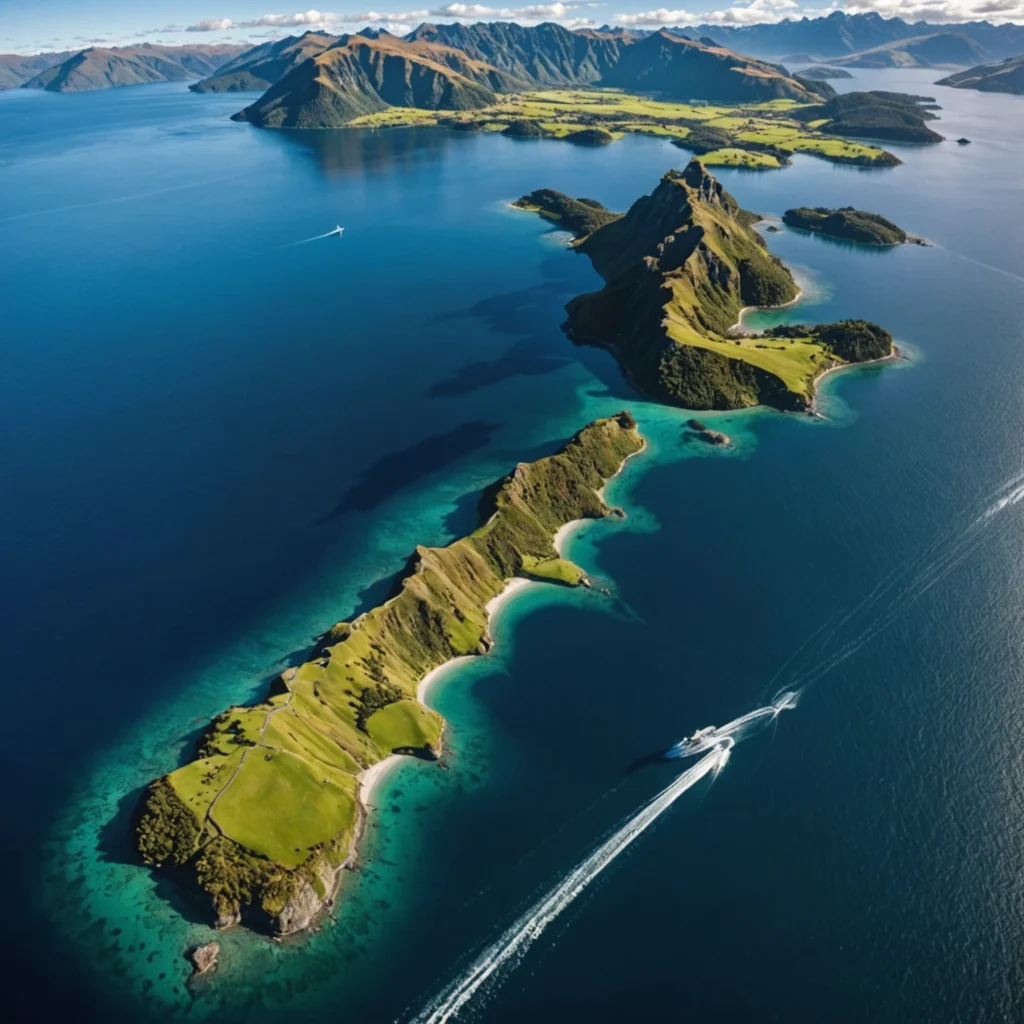
New Zealand’s breathtaking natural beauty is a key driver of its tourism industry, but the government is weighing the implementation of access fees for national parks and conservation areas. This proposal aims to protect these treasured landscapes while supporting sustainable tourism that benefits regional economies.
Supporters argue that access fees could provide critical funding for conservation efforts, ensuring that New Zealand’s natural wonders are preserved for future generations. However, opponents fear that such fees could deter visitors and undermine the country’s reputation as a haven for outdoor enthusiasts. The ongoing debate raises important questions about the balance between conservation and accessibility.
The Resilience of a People: Maori Protests and Community Action
The ongoing protests in Rotorua signify more than just opposition to the Waitangi Treaty Bill; they represent a broader movement for Maori rights and justice. The hikoi has become a symbol of resilience, uniting individuals from diverse backgrounds in a shared commitment to advocating for equitable treatment and recognition of Maori sovereignty.
As the protests gain momentum, the voices of Maori leaders echo through the streets, demanding recognition and respect for their rights. This grassroots mobilization highlights the enduring spirit of a people who refuse to be silenced in the face of adversity.
Looking Ahead: A Nation at a Crossroads
As New Zealand confronts these multifaceted challenges, the path forward remains uncertain. The government’s recent apology for historical abuse has opened the door for dialogue, but the pressing need for actionable change persists. The establishment of military-style boot camps, the contentious Waitangi Treaty Bill, and the cuts to public sector jobs all contribute to a complex tapestry of social and political issues.
New Zealand stands at a crossroads, grappling with its past while striving for a more equitable future. The questions raised by these events are not just about policy but about the very soul of the nation. How will New Zealand reconcile its history with its aspirations? Can it emerge as a beacon of justice and inclusion, or will unresolved tensions continue to hinder progress?
Conclusion: The Call for Collective Action
The current state of affairs in New Zealand serves as a reminder of the importance of collective action and community engagement. As citizens rally for justice, accountability, and recognition, the potential for positive change becomes tangible. The future of New Zealand hinges on its ability to confront its past, value its diverse voices, and prioritize the rights of all its people, particularly those who have been historically marginalized.
As the nation navigates these turbulent waters, the world watches closely. Will New Zealand emerge as a leader in social justice and indigenous rights, or will it be defined by its struggles? The answer lies in the collective will of its people to demand change and foster a more inclusive society.



