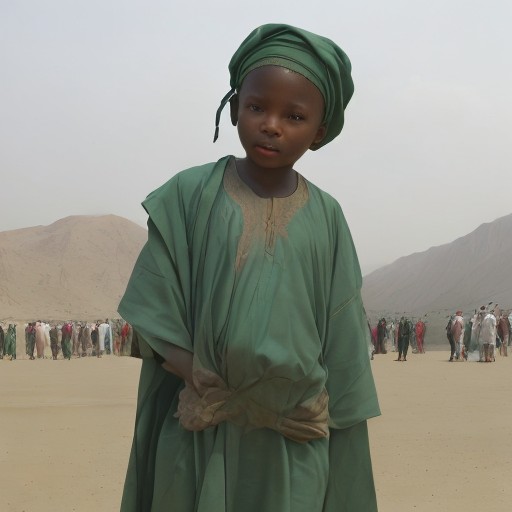
The Heart of West Africa: Nigeria’s Cultural Tapestry
Nigeria, often described as the “Giant of Africa,” is a nation that embodies a rich and diverse cultural heritage. With over 250 ethnic groups and more than 500 languages spoken, Nigeria is a melting pot of traditions and customs. This cultural diversity is not just a point of pride; it fuels the country’s vibrant arts scene, music, and culinary delights, attracting tourists and investors alike.
Safety and Security: A Complex Landscape
Despite its many attractions, Nigeria faces significant challenges, particularly regarding safety and security. The UK’s Foreign and Commonwealth Office (FCDO) has issued strong travel advisories against all but essential travel to certain regions of Nigeria. Crime, terrorism, and armed robbery are prevalent in these areas, creating a complex web of safety concerns for both locals and visitors.
The north-central and north-western regions of Nigeria are grappling with long-standing ethno-social conflicts that have intensified since 2013. This ongoing crisis has led to widespread violence and instability, complicating efforts to foster peace and security.
Humanitarian Crisis: Refugees and Displaced Persons
The humanitarian situation in Nigeria is dire, with approximately 2.6 million refugees and asylum-seekers residing within its borders as of November 2024. This marks an alarming 18% increase from the previous year, highlighting the urgent need for humanitarian assistance and intervention.
Borno State, in particular, has been severely affected by both conflict and natural disasters. Recent seasonal floods have displaced over 400,000 individuals, leading to tragic loss of life, with 37 deaths reported. The confluence of these crises raises questions about the government’s ability to respond effectively to the needs of its most vulnerable citizens.
Health Risks: A Looming Shadow
The health situation in Nigeria is equally concerning, particularly with the seasonal floods increasing the risk of water-borne diseases in West and Central Africa. Communities already struggling with inadequate healthcare infrastructure are at heightened risk, especially vulnerable populations in underserved areas.
Additionally, infectious diseases like Lassa fever pose a significant threat. The prevalence of this disease in Nigeria calls for urgent attention and resources to improve healthcare access and disease prevention strategies.
Political and Economic Developments: A Nation in Flux
Nigeria’s political landscape is as dynamic as its cultural tapestry. Recent headlines reveal a flurry of activity that has implications for governance and economic stability. Notably, the Supreme Court’s decision to void the National Lottery Act has raised eyebrows and sparked discussions about regulatory oversight and its effects on the gaming industry.
Meanwhile, the Enugu government’s outreach to Finnish authorities regarding the actions of Simon Ekpa has drawn attention to the ongoing political tensions in the region. There are concerns about the implications this may have on local governance and international relations.
Amidst these challenges, Nigeria’s economy shows signs of resilience. The Nigerian equities market recently rose by 0.23%, driven by renewed interest in stocks like Lafarge Africa and Unilever. Such movements indicate a cautious optimism among investors, despite the broader economic challenges facing the nation.
Energy and Infrastructure: Building for the Future
Infrastructure development remains a key focus for Nigeria, particularly in the energy sector. The Yola Electricity Distribution Company is making strides by deploying 1,880 meters using funds from a recently secured N21 billion. This investment is crucial for improving electricity access and reliability in a country where power shortages have long hindered economic growth.
As Nigeria looks to enhance its infrastructure, the question arises: will these efforts be enough to attract foreign investment and stimulate sustainable economic growth?
Sports: A Rising Tide of Athletic Achievement
In the realm of sports, Nigeria continues to make headlines. The Nigeria Cricket Team has shown remarkable improvement, boasting a win rate of 50% in recent matches, including a significant victory over Saint Helena by 118 runs. This success not only enhances Nigeria’s reputation in international cricket but also inspires a new generation of athletes.
Tourism and Entrepreneurship: A New Era
As Nigeria navigates its challenges, the tourism industry is witnessing a resurgence. Domestic tourism is flourishing, with attractions like Giwa Gardens in West Africa becoming vibrant oases for locals and visitors alike. This growth signifies a shift in how Nigerians view their own country, with an increasing appreciation for its natural beauty and cultural heritage.
Moreover, Nigerian entrepreneurs are scaling sustainably with various initiatives that showcase innovation and resilience. The entrepreneurial spirit in Nigeria is palpable, with startups emerging across sectors, from technology to agriculture. This entrepreneurial boom aligns with global trends, positioning Nigeria as a potential hub for innovation in Africa.
The International Perspective: Global Relations and Future Prospects
As Nigeria’s political and economic landscape evolves, international relations play a crucial role in shaping its future. The recent diplomatic engagement between Nigeria and India, highlighted by discussions involving Indian Prime Minister Narendra Modi, underscores the growing interest in bilateral cooperation. Modi’s focus on strengthening ties with Nigeria reflects a broader strategy to enhance India’s influence in Africa.
This engagement raises critical questions about the implications for Nigeria’s foreign policy and economic partnerships. Will Nigeria leverage its vast resources to become a key player in international trade, or will internal strife hinder its potential?
Conclusion: The Road Ahead for Nigeria
Nigeria stands at a crossroads, balancing the weight of its challenges with the promise of its opportunities. While issues of safety, security, and health remain pressing concerns, the resilience of its people and the vibrancy of its culture offer hope for a brighter future. As the world watches, Nigeria’s ability to navigate its complexities will determine not only its destiny but also its role on the global stage.
As we engage with these developments, one thing is clear: Nigeria is a nation of contrasts, and its story is far from over. The potential for growth, innovation, and cultural richness remains, inviting both local and global stakeholders to participate in its journey.


