
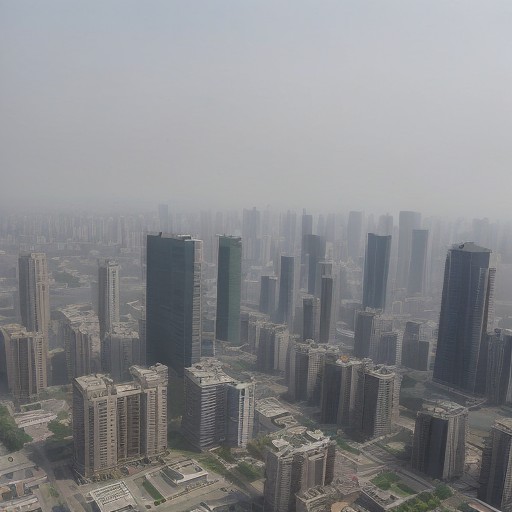
The AQI Roller Coaster: Noida’s Ongoing Struggle with Air Quality
In a city often shrouded in smog, the air quality in Noida has become a pressing concern for residents and authorities alike. As of the latest updates, Noida has experienced a slight improvement in air quality; however, this glimmer of hope comes with a caveat: for the fifth consecutive day, it remains firmly entrenched in the ‘very poor’ category. With the Air Quality Index (AQI) levels in Noida under critical observation due to the deteriorating air quality in the National Capital Region (NCR), the situation is anything but stable.
Understanding the AQI: What Does ‘Very Poor’ Really Mean?
For many, the term ‘very poor’ might sound alarming, but what does it truly signify? The AQI is a tool that measures air quality and its potential impact on health. When the AQI surpasses 300, it falls into the ‘very poor’ category, indicating increased health risks, particularly for vulnerable populations such as children, the elderly, and those with pre-existing health conditions. In Noida, a city that has increasingly become synonymous with pollution, these statistics are more than just numbers; they reflect a dire reality.
The Triggers Behind Noida’s Air Quality Woes
The reasons behind Noida’s persistent air quality issues are multifaceted. Industrial emissions, vehicular pollution, and the burning of waste are some of the leading contributors to the city’s air woes. But this is not just a local issue; it’s part of a larger trend that plagues the entire NCR region.
NCR’s Severe Pollution: A Catalyst for Change?
The severe pollution levels in NCR have prompted the government to implement stringent measures under the Graded Response Action Plan (GRAP) Phase 4. These restrictions include a ban on diesel vehicles and a crackdown on non-essential trucks. While these measures aim to mitigate pollution, they also raise questions about their effectiveness and the economic impact on logistics and transportation sectors.
The Impact of GRAP 4 Restrictions
While the GRAP 4 restrictions may provide temporary relief, they have sparked a heated debate among residents and local businesses. Many have expressed frustration over the ban on diesel vehicles, arguing that it disproportionately affects small businesses that rely on these vehicles for daily operations. Critics of the measures point out that merely restricting certain vehicles does not address the root causes of pollution, such as industrial emissions and construction dust.
Community Reactions: Voices from the Ground
As Noida grapples with these pressing issues, community voices have risen in unison, calling for more comprehensive solutions. Local activists are advocating for a greater emphasis on green technologies and sustainable practices to combat air pollution. “We need innovative solutions, not just temporary bans,” says Rajiv Kumar, a local environmentalist. “It’s essential to involve the community in discussing long-term strategies for cleaner air.”
What Lies Ahead? Speculations and Solutions
As residents navigate the murky waters of ‘very poor’ air quality, many are left wondering: What comes next? Will the recent improvements be sustained, or are they just a fleeting moment of reprieve in an ongoing crisis? Environmental experts speculate that without a paradigm shift in policy and community engagement, Noida’s air quality will continue to fluctuate, leaving the health of its residents hanging in the balance.
Potential Solutions: A Call for Action
To tackle the air quality crisis effectively, experts suggest a multifaceted approach. This includes:
- Promoting Public Transportation: Expanding public transport options can significantly reduce vehicular emissions.
- Encouraging Green Spaces: Increasing green cover in urban areas can help absorb pollutants and improve air quality.
- Implementing Strict Industrial Regulations: Enforcing stringent regulations on industrial emissions is crucial to reducing pollution.
- Raising Awareness: Educating the public about their role in combating air pollution can foster a community-driven approach towards cleaner air.
Conclusion: The Fight for Clean Air in Noida
Noida’s ongoing battle with air quality is a stark reminder of the challenges that urban centers face in an increasingly polluted world. While recent improvements in AQI levels may offer a glimmer of hope, they are overshadowed by the persistent ‘very poor’ classification that plagues the city. The implementation of GRAP 4 restrictions has certainly stirred controversy, but it also ignites the urgent need for a more comprehensive strategy to address the root causes of air pollution.
As residents of Noida look towards the future, one thing remains clear: the fight for clean air is far from over. It will take collaboration, innovation, and community engagement to ensure that Noida can breathe easy again.
Join the Conversation!
What are your thoughts on Noida’s air quality crisis? Do you think the GRAP 4 restrictions will make a significant difference, or are they merely a band-aid solution? Share your opinions and join the discussion on social media!


