
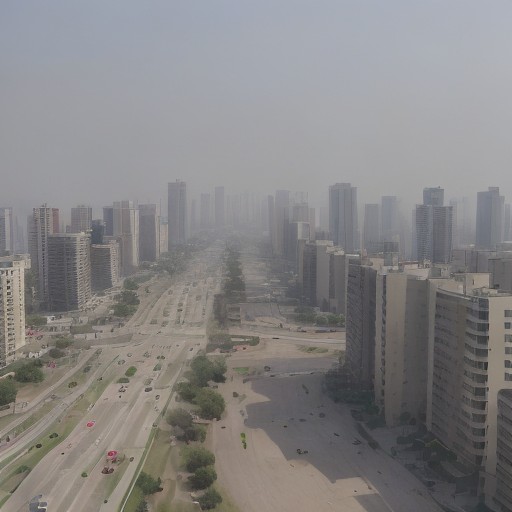
The Deteriorating Air Quality in Noida: A Serious Concern
Noida, a bustling city in the National Capital Region (NCR) of India, has recently made headlines due to its alarming air quality index (AQI) levels. As of the latest reports, the AQI in Noida was recorded at 272 on Saturday, placing it firmly in the “poor” category. This indicates a significant level of pollution that poses health risks, especially to vulnerable populations such as children, the elderly, and those with pre-existing health conditions.
Understanding the AQI: What Does 272 Really Mean?
The Air Quality Index (AQI) is a tool used worldwide to communicate how polluted the air currently is or how polluted it is forecast to become. An AQI of 272 signifies that air quality is unhealthy for everyone, not just sensitive groups. Residents of Noida are now left grappling with the potential health implications of such air quality levels. With growing concerns about respiratory diseases and other health issues, many are left wondering: what will it take for change?
Recent Measures to Tackle Pollution: Are They Enough?
In response to the deteriorating air quality, local authorities have implemented several measures. Among these are the installation of anti-smog guns and regular dust suppression activities aimed at reducing particulate matter in the air. However, skepticism remains about the effectiveness of these initiatives. Are anti-smog guns and dust suppression techniques sufficient to combat such high AQI levels, or are they merely band-aid solutions to a much larger problem?
Noida’s Air Quality: A Part of a Larger Problem
It’s important to understand that the air quality crisis in Noida is not an isolated issue. It is part of a broader environmental dilemma affecting the entire NCR, including neighboring cities like Delhi and Ghaziabad. Reports indicate that the air quality in these regions is similarly concerning, with Delhi frequently topping the charts for the most polluted city in the world. This interconnectedness raises a critical question: can Noida truly improve its air quality without a comprehensive, region-wide approach?
Public Reaction: Frustration and Fear
The recent spike in AQI levels has sparked a wave of frustration among Noida residents. Many have taken to social media to voice their concerns, sharing personal stories about how the pollution has affected their health and daily lives. “It’s a nightmare to step outside,” lamented one resident on Twitter. “My kids can’t even play outside anymore!” This growing discontent signals a potential shift in public opinion, with citizens demanding more accountability from their local government.
The Implications of Poor Air Quality
The implications of Noida’s poor air quality extend beyond immediate health concerns. Long-term exposure to high levels of air pollution can lead to chronic respiratory diseases, cardiovascular problems, and even decreased life expectancy. Economically, the city may face increased healthcare costs and reduced productivity as more residents fall ill. Furthermore, the environmental impact could be devastating, as poor air quality contributes to climate change and the degradation of local ecosystems.
Future Prospects: What Lies Ahead for Noida?
As Noida grapples with its air quality crisis, the question on everyone’s mind is: what lies ahead? Will local authorities take the necessary steps to improve air quality, or will residents continue to suffer the consequences of inaction? Experts suggest that a more aggressive and unified approach is necessary, including stricter regulations on emissions, enhanced public transportation options, and a concerted effort to reduce dust from construction activities.
Community Initiatives: A Ray of Hope
Amidst the gloom, community initiatives have begun to emerge. Local NGOs and resident groups are organizing awareness campaigns, tree plantation drives, and educational programs to inform citizens about the importance of air quality and how they can contribute to the solution. These grassroots efforts may not solve the problem overnight, but they represent a critical step towards fostering a more environmentally conscious community.
Conclusion: A Call to Action for Noida Residents
The current AQI level of 272 in Noida serves as a stark reminder of the urgent need for action. Residents are encouraged to stay informed and engaged in the conversation about air quality. Whether through public forums, social media, or community initiatives, every voice counts in the fight for cleaner air. It’s time for Noida to not only acknowledge the problem but also to take decisive steps towards a healthier future. Will the community rise to the challenge, or will the air quality crisis continue to linger as a persistent threat?
As the air quality worsens, let us not just be passive observers but active participants in shaping a cleaner, healthier Noida.


