
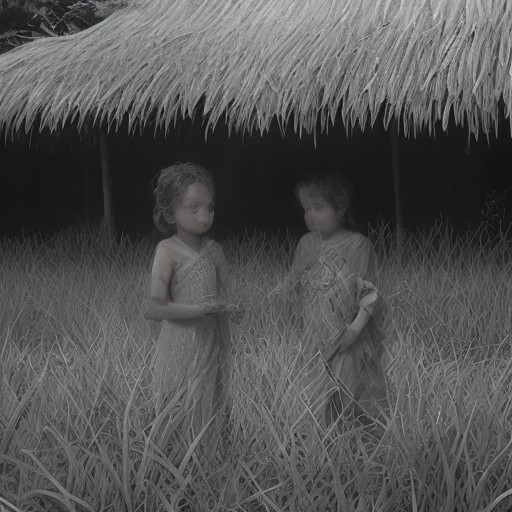
Introduction: A Cinematic Revolution
In the realm of cinema, few films have held the power to transform the landscape of storytelling as profoundly as Pather Panchali. Released in 1955, Satyajit Ray’s magnum opus not only marked the inception of the celebrated Apu Trilogy, which includes Aparajito (1956) and Apur Sansar (1959), but also set the stage for a new era of Indian cinema.
With its poignant exploration of rural life in Bengal during the 1940s, Pather Panchali has become synonymous with realism, resonating with audiences around the globe. The film’s enduring impact is undeniable, as it continues to inspire filmmakers and cinephiles alike, prompting discussions about its relevance in today’s cinematic landscape.
A Glimpse into the Plot: Life and Struggles in Rural Bengal
The narrative of Pather Panchali follows the life of Harihar, a widowed father struggling to provide for his children, Durga and Apu. As they navigate the harsh realities of poverty and social challenges, the film encapsulates universal themes of family, love, and the preservation of traditional values. The character of Durga, portrayed by the talented Uma Dasgupta, is particularly poignant, embodying the dreams and aspirations of a young girl in a world fraught with difficulties.
What makes the film stand out is its ability to evoke deep emotional responses while maintaining a sense of authenticity. The breathtaking cinematography, combined with Ray’s meticulous attention to detail, allows viewers to experience the beauty and desolation of rural life, creating a narrative that is both captivating and heartbreaking.
The Legacy of Satyajit Ray: A Filmmaker’s Influence
Satyajit Ray is often regarded as one of the greatest filmmakers in the history of cinema, and for good reason. His innovative approach to storytelling has influenced countless directors worldwide. Recently, acclaimed Australian filmmaker Phillip Noyce acknowledged Ray’s profound impact on his own career, attributing his pursuit of filmmaking to the lessons learned from Ray’s work. Noyce highlighted the importance of thinking “small in scale but big in heart,” a philosophy that resonates throughout Pather Panchali.
Ray’s ability to weave intricate narratives that reflect the human condition is a testament to his genius. His films, particularly Pather Panchali, are celebrated for their ability to transcend cultural boundaries, inviting audiences to engage with the core of human experience.
Critical Acclaim: Recognition on the World Stage
Pather Panchali was not only a national treasure but also an international sensation. The film made history at the 1956 Cannes Film Festival, where it received the prestigious Best Human Document award. This accolade marked a significant milestone for Asian cinema, as it was one of the first instances where an Asian film garnered such recognition on a global platform.
Critics and audiences alike were captivated by Ray’s unique storytelling style, which emphasized realism and emotional depth. The film’s ability to portray the struggles of ordinary people resonated with viewers, prompting discussions about social issues that remain relevant today.
Controversies and Discussions: The Film’s Ongoing Relevance
Despite its acclaim, Pather Panchali has not been without controversy. Some critics have argued that the film’s stark portrayal of poverty may romanticize hardship, raising questions about the ethics of storytelling in cinema. This debate highlights the delicate balance filmmakers must strike between realism and artistic interpretation.
Furthermore, the recent passing of Uma Dasgupta on November 18, 2024, after a long battle with cancer, has reignited discussions about the film’s legacy and its impact on contemporary cinema. How will future generations remember the film and its contributions to the art of storytelling? Will the themes explored in Pather Panchali continue to resonate in an increasingly digital age?
The Timeless Appeal of Pather Panchali: A Call to Action
As we reflect on the legacy of Pather Panchali, it becomes evident that its relevance extends far beyond its initial release. The film serves as a reminder of the power of storytelling to evoke empathy and inspire change. In a world where entertainment often prioritizes spectacle over substance, Pather Panchali challenges us to reconsider our relationship with cinema.
In today’s fast-paced digital landscape, can we afford to overlook the lessons imparted by Ray’s masterwork? As audiences, we have the responsibility to seek out films that reflect the complexities of the human experience, just as Pather Panchali did so brilliantly. It invites us to engage in meaningful conversations about family, love, and the struggles of everyday life.
Conclusion: Embracing the Legacy
In conclusion, Pather Panchali remains an essential work in the annals of cinema. Its profound exploration of human emotions and social realities continues to resonate with audiences around the world. As we celebrate the legacy of Satyajit Ray and honor the contributions of actors like Uma Dasgupta, we must also recognize our role in preserving and promoting the values that films like Pather Panchali represent.
As we look to the future, let us carry forward the lessons learned from Ray’s timeless masterpiece. Let us appreciate the beauty of storytelling that transcends cultural boundaries and connects us all. The legacy of Pather Panchali is not just a relic of the past; it is a torch that continues to illuminate the path for future generations of filmmakers and audiences alike.


