
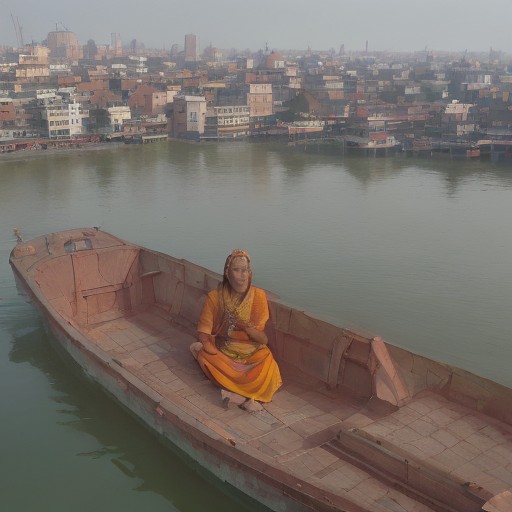
Introduction: The Countdown to Mahakumbh 2025 Begins
As the sun sets behind the sacred banks of the Ganga, the historic city of Prayagraj—formerly known as Allahabad—stands at the precipice of an extraordinary moment in time. In just over a year, it will host the grandest religious congregation in the world, the Mahakumbh Mela. Slated to commence on January 13, 2025, this monumental event is expected to draw millions of pilgrims and tourists alike, all eager to partake in the spiritual rejuvenation that this festival promises.
Land Allocation for Akharas: A Sacred Ground for Spiritual Leaders
In a significant development, the Uttar Pradesh government has finalized land allocation to all 13 akharas in the mela area, distributing over 100 bighas of land for their camps. This move is crucial as these akharas are not just religious groups; they represent centuries of tradition, spirituality, and cultural identity that form the backbone of the Kumbh experience.
The akharas are expected to play a vital role in the Mahakumbh, guiding thousands of devotees through rituals and ceremonies that have been passed down through generations. The allocation of space reflects the government’s commitment to preserving this rich heritage while ensuring that the logistical needs of the event are met.
Bird Festival: A Unique Celebration Amidst the Divine
In a delightful twist to the traditional festivities, Prayagraj will also host a Bird Festival on February 1-2, 2025, coinciding with the Mahakumbh. This festival aims to celebrate the arrival of endangered species like the Indian skimmers and the swift peregrine falcon.
Environmentalists and ornithologists are thrilled about this inclusion, viewing it as a significant step towards promoting biodiversity awareness. However, skeptics question whether the focus on wildlife will detract from the spiritual essence of the event. Will this be a harmonious blend of nature and spirituality, or a distraction from the sacred rituals that define the Kumbh?
Socio-Spiritual Preparations: A Sacred Dip in Clean Waters
As the date approaches, preparations are in full swing to make the Ganga in Prayagraj fit for the holy dip that pilgrims have come to cherish. By the end of December, the authorities aim to ensure the river is clean and ready, highlighting the government’s commitment to providing the best facilities for Kalpwasis—the pilgrims who will stay for the duration of the festival.
This focus on cleanliness raises questions about the sustainability of such efforts. Will these measures have a lasting impact on the river’s health post-Mahakumbh, or will it revert to its previous state once the fervor subsides?
Security Arrangements: A Fortress by the Ganga
With millions of devotees expected, ensuring safety is paramount. The preparations include a robust 7-tiered security system that will be in place for Mahakumbh 2025. This comprehensive plan includes the installation of AI-based CC cameras, a 24/7 intelligence unit, and an extensive network of security personnel.
However, the implementation of such measures has sparked a debate. While security is essential, many wonder if the heavy-handed approach might infringe on the spiritual ambiance the Kumbh is known for. Will the presence of surveillance technology create a sense of unease among pilgrims, or will it offer peace of mind in a bustling environment?
IRCTC’s Tent City: Luxury Meets Spirituality
In an innovative move to enhance the pilgrim experience, the Indian Railway Catering and Tourism Corporation (IRCTC) is developing a luxurious tent city dubbed ‘Maha Kumbh Gram’. This facility promises not just comfortable accommodations but also a unique cultural experience, blending spirituality with tourism.
Some critics argue that this commercialization of a sacred event undermines its sanctity. Can luxury and spirituality coexist, or does the introduction of such amenities dilute the profound spiritual experience that the Mahakumbh represents? The answer remains to be seen as preparations continue.
Infrastructure Development: Revitalizing the City
As Prayagraj gears up for the Mahakumbh, significant infrastructure development is underway. Ancient temples like the Dwadash Madhav temples are getting a much-needed facelift, while major parks and landmarks are being illuminated with facade lighting, creating a mesmerizing visual tapestry for visitors.
This revitalization effort is a double-edged sword. On one hand, it enhances the city’s appeal and provides a fitting backdrop for the festivities. On the other, some locals express concerns that these changes may commercialize their sacred spaces. Will the essence of Prayagraj remain intact amidst the waves of modernization?
Grand Opening: A Spiritual Journey Begins
The Mahakumbh’s grand opening on January 13, 2025, will feature a holy dip ceremony on the auspicious day of Pournima. This event marks the beginning of 45 days filled with rituals, spiritual gatherings, and cultural performances, all aimed at fostering a sense of community and devotion.
As millions flock to the banks of the Ganga, Prayagraj will undoubtedly transform into a vibrant hub of spirituality and culture. But as the excitement builds, so do the questions. Will the Mahakumbh 2025 surpass its predecessors in scale and impact? What legacy will it leave behind for future generations?
Conclusion: A Transformative Experience Awaits
Prayagraj is poised to become the epicenter of spirituality, culture, and community during the Mahakumbh 2025. The meticulous preparations, the integration of modern technology, and the focus on cleanliness highlight the event’s significance in contemporary society. However, the blend of tradition with modernity raises critical questions about the future of such sacred gatherings.
As we count down to this awe-inspiring festival, the world watches closely. Will it be a harmonious convergence of faith, culture, and environmental consciousness, or will it highlight the tensions that often arise in the face of progress? One thing is certain: Prayagraj will be a place of pilgrimage, reflection, and transformation come January 2025.


