
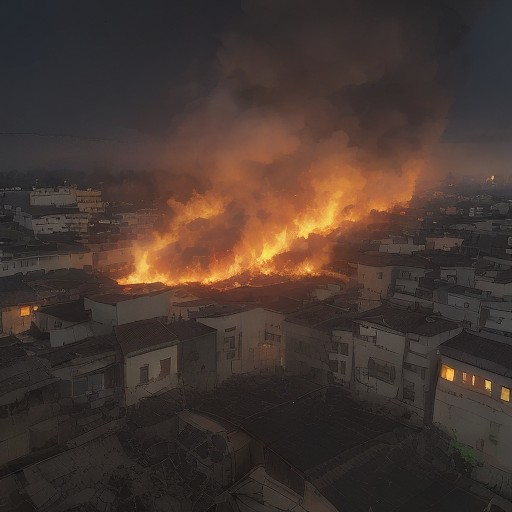
The Alarming Reality: Fire Incidents in Pune and Their Implications
In a city like Pune, known for its rapid growth and vibrant culture, the specter of fire incidents looms large, raising critical questions about safety measures and emergency preparedness. Recently, though not directly linked to Hadapsar, a fire at Aundh District Hospital, triggered by an electric short circuit, has sent shockwaves through the community. While no casualties were reported, the evacuation of 13 newborns highlights the potential dangers lurking in urban settings. Could this incident serve as a harbinger of what might happen if similar situations arise in densely populated localities like Hadapsar?
What Happened in Aundh District Hospital?
On an otherwise typical day, the sudden eruption of flames at the Aundh District Hospital made headlines, raising alarm bells among residents. The source? An electric short circuit—a common yet dangerous occurrence that can lead to catastrophic consequences. Fortunately, swift action ensured the safe evacuation of vulnerable newborns, showcasing the importance of quick-thinking in emergencies. But the underlying question remains: how prepared are our hospitals and urban infrastructures for fire-related emergencies?
Hadapsar: A Growing Urban Hub
Hadapsar, a bustling suburb of Pune, has evolved into a thriving urban hub, attracting families and businesses alike. With its expanding population and increasing number of high-rise buildings, the area is becoming a potential tinderbox for fire hazards. As the city grows, so do the challenges of ensuring fire safety measures are up to par. Are the local authorities doing enough to mitigate risks in areas like Hadapsar?
The Fire Safety Debate: Are We Doing Enough?
Following the Aundh incident, residents across Pune are questioning whether enough is being done to prevent such emergencies. *Should there be stricter regulations for building safety?* The debate is heated. Critics argue that many buildings in Hadapsar lack adequate fire safety measures, while proponents of current regulations insist that existing laws are sufficient if enforced properly. The reality, however, often lies somewhere in between.
Potential Causes of Fire Hazards in Hadapsar
Several factors contribute to fire hazards in urban settings like Hadapsar:
- Outdated Electrical Systems: Many buildings, particularly older ones, may have wiring that cannot handle the electrical load required by modern appliances, leading to short circuits.
- Neglected Fire Safety Equipment: A lack of regular maintenance for fire extinguishers and alarms can spell disaster in an emergency.
- Overcrowding: The increase in population density in Hadapsar means that more people live and work in closer quarters, amplifying the potential for a fire to spread rapidly.
- Construction Practices: Some buildings may not comply with fire safety codes, leading to unsafe conditions.
Community Response: Preparing for the Worst
In light of the recent fire incidents, local residents and community leaders are rallying for better preparedness and awareness. “We need to take this seriously,” said a local activist during a recent community meeting. “The Aundh fire should serve as a reminder that we can’t afford to be complacent.” This sentiment resonates with many who are eager to see proactive measures implemented.
Fire Drills and Awareness Campaigns
One effective way to prepare for fire emergencies is through regular fire drills and awareness campaigns. Local schools and workplaces in Hadapsar can take the lead in organizing these events, ensuring that everyone knows how to respond in case of a fire. Education plays a crucial role in minimizing panic and confusion during emergencies.
The Role of Technology in Fire Safety
As technology advances, so does the potential for improving fire safety. Smart fire alarms that send alerts to your phone, apps that can guide you to safety, and advanced sprinkler systems are just a few innovations that could significantly reduce risks. However, such technologies come at a cost, raising questions about whether residents and businesses are willing to invest in their safety.
Government Regulations: Are They Enough?
Regulatory frameworks governing fire safety in Pune are in place, but are they being adequately enforced? Many experts argue that while laws exist, the implementation often falls short. There is a pressing need for periodic audits of buildings to ensure compliance with fire safety standards, particularly in rapidly developing areas like Hadapsar.
Public Sentiment: The Community Speaks
The public sentiment surrounding fire safety is one of concern but also a demand for action. “We want to feel safe in our homes and workplaces,” expressed a local resident. “We cannot afford to wait for another tragedy to happen before we take this seriously.” This sentiment echoes throughout the community, highlighting the urgency for change.
Looking Ahead: What Can Be Done?
As the dust settles from the recent Aundh District Hospital fire, it’s time to reflect on what can be done to enhance fire safety in Hadapsar and beyond. Here are some actionable steps that can be taken:
- Strengthening Building Codes: Local authorities should revise and strengthen building codes to ensure that all structures meet modern fire safety standards.
- Enhanced Training: Fire safety training for building managers and employees should be mandated to prepare them for emergencies.
- Community Engagement: Encourage community involvement in fire safety initiatives, fostering a culture of awareness and preparedness.
- Regular Inspections: Implement a system of regular inspections of residential and commercial properties to ensure compliance with fire safety regulations.
Conclusion: A Call to Action
The fire at Aundh District Hospital serves as a stark reminder of the potential dangers that exist in our urban environments. As Pune continues to grow, particularly in areas like Hadapsar, it is imperative that we prioritize fire safety and preparedness. By fostering community engagement, advocating for stronger regulations, and embracing technology, we can ensure that we are better equipped to handle emergencies. The time for action is now—let’s not wait for another wake-up call.
As members of a thriving community, our collective responsibility to ensure safety cannot be overstated. What are your thoughts on fire safety in Hadapsar? How can we work together to make our neighborhoods safer? Join the conversation and let your voice be heard!


