
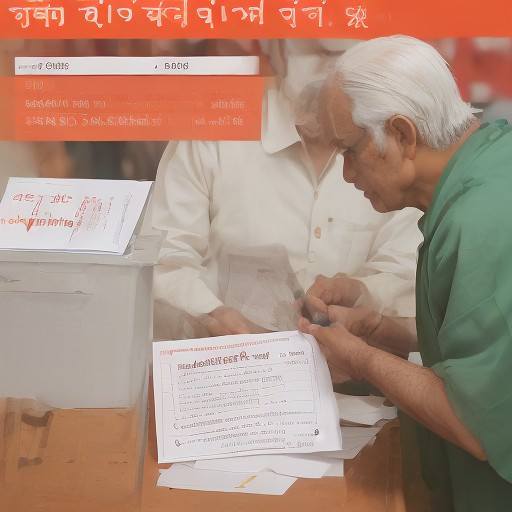
The Significance of Voting in Pune
The recent Lok Sabha elections have stirred up a whirlwind of discussions across India, especially in the bustling metropolis of Pune. Known for its rich cultural heritage and vibrant youth population, Pune’s voting percentage has become a focal point of analysis and debate. What does it mean for the future of democracy in this thriving city? Are residents actively participating in shaping their political landscape, or is there a growing trend of apathy among voters?
Understanding Voting Trends in Pune
While the exact voting percentage in Pune during the latest elections remains elusive, various sources have highlighted noticeable shifts in voter behavior. Historically, Pune has seen fluctuating voter turnout rates, influenced by a myriad of factors ranging from candidate appeal to socio-political dynamics. In the absence of precise statistics, one must consider the broader implications of these trends.
The Youth Factor: Engagement or Apathy?
Pune is home to a significant student population, which should ideally translate into higher engagement in the electoral process. However, recent observations suggest that many young voters are either unaware of the electoral process or disillusioned with the political system. This raises pressing questions: Are educational institutions doing enough to promote civic responsibility? Are political parties failing to connect with the aspirations of the youth?
Candidate Performances and Public Sentiment
The performance of candidates in Pune has often been a driving force behind voter turnout. In the previous elections, some candidates garnered immense support due to their grassroots initiatives and community engagement, while others faced backlash over unfulfilled promises. The sentiment among voters appears to be divided: some are keen to support candidates who resonate with their values, while others express frustration over the lack of genuine representation.
Past Elections: A Comparative Analysis
To better understand the current trends in Pune’s voting percentage, it’s essential to look back at past elections. In 2014, the city recorded an impressive turnout, with many attributing this success to effective campaigning and heightened awareness. However, in subsequent elections, there has been a marked decline, prompting concerns about voter disillusionment and engagement strategies.
The Role of Social Media in Shaping Voter Opinions
In today’s digital age, social media plays a pivotal role in shaping public opinion and mobilizing voters. Platforms like Facebook, Twitter, and Instagram have become battlegrounds for political discourse, with parties vying for attention and support. However, while social media can galvanize the youth, it can also perpetuate misinformation and create echo chambers that discourage critical thinking. How are Pune’s voters navigating this complex landscape?
Potential Implications of Low Voter Turnout
Low voter turnout can have far-reaching consequences. It not only undermines the democratic process but can also lead to the election of representatives who do not truly reflect the will of the people. In Pune, this could mean policies that do not address the unique challenges faced by its residents, such as infrastructure development, education, and employment opportunities.
Reactions from Political Analysts and Experts
Political analysts have expressed mixed reactions regarding Pune’s voting trends. Some argue that the decline in voter participation is a sign of deep-rooted issues within the political system, while others believe it is a temporary phenomenon that can be reversed through targeted outreach efforts. The consensus, however, is clear: the need for reforms to engage voters is more urgent than ever.
Fostering Civic Engagement: A Community Responsibility
The responsibility of fostering civic engagement does not lie solely with political parties. Local communities, educational institutions, and civil society organizations play a crucial role in encouraging voter participation. Initiatives such as voter education campaigns, community forums, and youth-led advocacy can bridge the gap between voters and the political process, ensuring that every voice is heard.
Looking Ahead: The Future of Voting in Pune
As Pune prepares for future elections, the question remains: how can the city revitalize its democratic spirit? Engaging the youth, addressing voter concerns, and leveraging technology for transparency and communication are vital steps. Moreover, the upcoming elections could serve as a litmus test for political parties to demonstrate their commitment to the electorate.
Conclusion: A Call to Action
Pune’s voting percentage is more than just a statistic; it is a reflection of the city’s democratic health. Whether it serves as a wake-up call for civic engagement or a sign of growing apathy remains to be seen. As citizens, it is our responsibility to engage, educate, and empower ourselves and others to participate actively in the electoral process. After all, democracy thrives on participation, and every vote counts!
In light of these discussions, we invite readers to share their thoughts. What do you think about Pune’s voting trends? Are you optimistic about the future of democracy in your city? Join the conversation and make your voice heard!


