
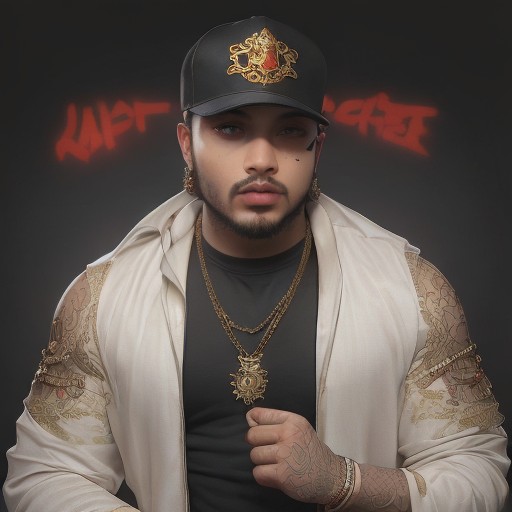
Introduction: The Rise of Raftaar
In the vibrant and dynamic landscape of the Indian music industry, few names resonate as powerfully as Raftaar. Known for his high-energy performances and captivating rap verses, Raftaar has carved a niche for himself, becoming a household name among music lovers. His recent appearance on MTV HUSTLE 4, alongside fellow titans Badshah and Ikka, has not only reignited his popularity but also sparked discussions about the future of rap and hip-hop in India.
MTV HUSTLE 4: A Game Changer for Indian Hip-Hop
MTV HUSTLE 4 is more than just a reality show; it’s a platform where raw talent meets seasoned expertise. Raftaar’s involvement in this season, alongside other prominent artists, has raised the stakes for aspiring rappers. The show not only showcases diverse rap styles but also highlights the importance of collaboration in the music industry.
As a mentor, Raftaar brings his wealth of experience to the table, providing guidance and support to budding artists. The camaraderie between Raftaar, Badshah, and Ikka is palpable, creating an electric atmosphere that keeps viewers glued to their screens. This season marks a pivotal moment, as it challenges the traditional norms of Indian music, pushing the boundaries of creativity and expression.
The Power of Collaboration
Raftaar’s career is a testament to the power of collaboration. His ability to work with a diverse range of artists has resulted in chart-topping hits that resonate with audiences across the country. From his energetic tracks to his thought-provoking lyrics, Raftaar has consistently proven that collaboration is key to success in the music industry.
In recent years, he has teamed up with various artists, blending different musical styles to create a unique sound. His collaborations often transcend genres, appealing to a broader audience and showcasing his versatility as an artist. This approach not only enhances his music but also fosters a sense of community within the industry.
The Controversial Side of Fame
While Raftaar enjoys immense popularity, his journey has not been without controversy. As the face of modern Indian hip-hop, he often finds himself at the center of debates surrounding authenticity and commercialism. Critics argue that the rise of mainstream rap may dilute the genre’s roots, turning it into a mere commercial product.
Raftaar, however, embraces this discourse, using it as an opportunity to educate his fans about the evolution of hip-hop. He asserts that while it’s important to honor the genre’s origins, innovation is equally crucial. This perspective has sparked discussions among fans and critics alike, challenging them to reconsider their definitions of authenticity in music.
Raftaar’s Impact on Youth Culture
Raftaar’s influence extends beyond music; he has become a cultural icon for the youth. His lyrics often reflect the struggles and aspirations of young people, resonating deeply with his audience. Through his music, he addresses pressing issues such as identity, ambition, and social justice, making him a relatable figure in contemporary society.
The impact of Raftaar’s work is evident in the growing popularity of hip-hop among Indian youth. As more young artists emerge, inspired by Raftaar’s success, the genre continues to evolve, pushing boundaries and exploring new themes. This shift is not only redefining Indian music but also empowering a generation to express themselves through art.
The Future of Raftaar and Indian Hip-Hop
As Raftaar continues to dominate the Indian music scene, the future looks promising for him and the hip-hop genre. With platforms like MTV HUSTLE 4 providing exposure to emerging talent, the landscape is ripe for innovation. Fans are eager to see how these new artists will shape the future of rap in India, and Raftaar’s role as a mentor further cements his legacy.
Moreover, the growing acceptance of hip-hop in mainstream music indicates a bright future for the genre. As Raftaar and his contemporaries pave the way for the next generation, the global hip-hop community is watching closely, anticipating the unique contributions that Indian artists will make to the genre.
Conclusion: A Cultural Revolution
Raftaar’s journey is a reflection of the cultural revolution taking place in India. As he continues to break barriers and redefine what it means to be a rapper in the country, he invites us to join the conversation about the future of music. With each performance on MTV HUSTLE 4, he captivates audiences, leaving them eager for more.
In a world where authenticity is often questioned, Raftaar stands firm, advocating for a balance between tradition and innovation. As we look forward to what lies ahead, one thing is certain: Raftaar is here to stay, and the Indian hip-hop scene will never be the same again.


