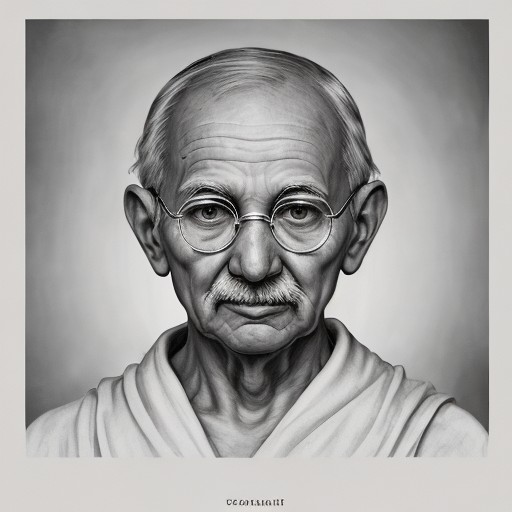
The Rise of Rahul Gandhi: A Political Legacy Revisited
Born on June 19, 1970, in New Delhi, Rahul Gandhi has evolved into a pivotal figure in contemporary Indian politics. As a member of the illustrious Gandhi-Nehru family, he carries the weight of a legacy that has significantly influenced the nation’s democratic fabric. His journey from a reluctant politician to a prominent leader of the Indian National Congress (INC) is a tale of determination, controversy, and resilience.
Political Career: A Journey Through Triumphs and Trials
Rahul Gandhi’s political career took off in earnest when he was elected to the Lok Sabha from Amethi in 2004. His rapid rise culminated in his appointment as the President of the Indian National Congress in 2013. However, his tenure was marred by challenges. Following the INC’s disappointing performance in the 2019 Lok Sabha elections, where it secured only 52 seats out of 543, Gandhi resigned from the presidency, a move that underscored the struggles of the party in an increasingly competitive political landscape.
Recent Activities: A Yatra for Change
Despite the setbacks, Gandhi has remained a vocal advocate for various social and political issues. His recent activities have included a remarkable 3,500 km yatra from Kanyakumari to Kashmir in 2022, aimed at reconnecting with the grassroots and addressing pressing issues facing the nation. During this journey, he highlighted concerns regarding the alleged destruction of the Constitution and the growing economic disparity favoring billionaires over the common people.
The Controversial Voice: Accusations and Criticism
Rahul Gandhi is no stranger to controversy. His outspoken nature has drawn both support and criticism. Accusations of irresponsible speech often surface, particularly from rival political factions. The BJP, in particular, has labeled him as an untrustworthy commentator, pointing to his remarks as divisive and lacking in credibility. Such criticisms have often overshadowed his messages, making it challenging for him to communicate effectively with the electorate.
Impact on Recent Elections: The Battle for Maharashtra and Beyond
Gandhi’s involvement in the recent assembly elections, especially in Maharashtra and Jharkhand, has been marked by vehement criticism of Prime Minister Narendra Modi and the BJP-led government. He has accused Modi of undermining the poor and altering the Constitution’s essence to serve political interests. These claims, while contentious, are part of his broader strategy to consolidate opposition against the ruling party.
The Broader Implications: A Shift in Political Dynamics?
As Rahul Gandhi continues to emerge as a significant voice in Indian politics, the implications of his actions and statements are profound. With the INC attempting to reclaim its influence, Gandhi’s approach to addressing issues like economic inequality and constitutional rights could resonate with a disenchanted electorate. However, the question remains: will he be able to convert his activism into electoral success, or will he remain a controversial figure overshadowed by the BJP’s dominance?
Reactions from the Political Sphere: Allies and Adversaries
Gandhi’s political maneuvers have elicited varied reactions. Supporters laud his commitment to social justice and accountability, while detractors question his effectiveness and reliability as a leader. The political landscape in India is increasingly polarized, and Gandhi’s ability to navigate this environment will be crucial for his future and that of the INC.
A New Chapter: The Future of Rahul Gandhi and Indian Politics
As Rahul Gandhi forges ahead, the challenges he faces are immense. The question of leadership within the INC, the party’s strategies for upcoming elections, and Gandhi’s positioning against Modi’s government will define his legacy. With a new generation of voters emerging, his engagement with youth and their concerns will be critical in shaping the narrative of Indian politics.
Conclusion: The Ongoing Saga of Rahul Gandhi
In a rapidly changing political landscape, Rahul Gandhi stands as a figure of both hope and contention. His journey is emblematic of the broader struggles within Indian democracy, where legacy, leadership, and public perception collide. As he continues to champion causes that resonate with many, the political implications of his actions will undoubtedly shape the narrative of Indian politics for years to come. Will he emerge as the leader India needs, or will he remain a polarizing figure in the annals of political history? Only time will tell.


