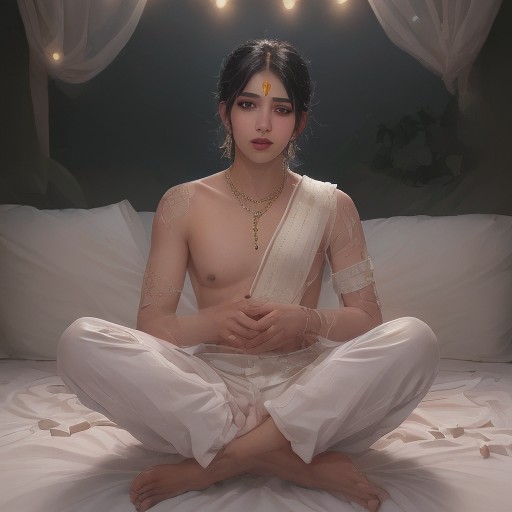
Introduction: The Enchantment of Rash Purnima
As we approach November 26, 2024, the anticipation surrounding Rash Purnima, also known as the Full Moon Day of November, grows palpable. While this day may not be widely recognized as a national holiday in many countries, it captures the imagination of diverse cultures around the globe. From India to the United States, unique traditions and celebrations unfold, each steeped in history and rich with meaning. But what is it about the full moon that ignites such fervor? Join us as we explore the multifaceted celebrations of Rash Purnima and the implications of these lunar festivities.
The Significance of the Full Moon
The full moon has long been a symbol of illumination, fertility, and spiritual awakening. In various cultures, it marks a time for reflection, celebration, and connection with nature. The November full moon, in particular, has garnered attention for its role in numerous traditions, including the November Lunar Festival in the U.S., which showcases the cultural diversity tied to lunar observance.
Rashtriya Purnima: A Hindu Perspective
In India, the full moon holds profound significance, especially during the festival of Rash Purnima. Celebrated primarily by the Hindu community, this day is often associated with the worship of Lord Vishnu and the remembrance of the sacred texts. Devotees engage in rituals, prayers, and community feasts, emphasizing the importance of gratitude and spiritual growth.
The day is marked by a sense of unity and reverence, as families gather to partake in traditional dishes and offerings. Rituals often include lighting lamps and chanting mantras, creating an atmosphere of devotion and joy. This tradition not only strengthens familial bonds but also deepens one’s connection to their spiritual heritage.
Global Celebrations: The November Full Moon Across Cultures
While Rash Purnima is particularly significant in India, other cultures celebrate the full moon in November with their own unique customs. Here’s a look at how different communities observe this celestial event:
1. Lunar Festivals in Asia
In many Asian cultures, the full moon is a time for festivals. For example, in Japan, people partake in Tsukimi, or Moon Viewing, where they celebrate the beauty of the moon with food offerings and poetry. Similarly, in China, the Mid-Autumn Festival, although primarily in September, also emphasizes lunar appreciation, showcasing the moon’s importance in cultural identity.
2. Native American Observances
For several Native American tribes, the full moon signifies a time of reflection, spiritual rituals, and community gatherings. Different tribes have distinct names for the November full moon, often linked to seasonal changes and natural events. These observances include storytelling, drumming, and dancing, creating a sense of community and continuity with ancestral traditions.
3. African Lunar Celebrations
In parts of Africa, the full moon is celebrated with vibrant dances and storytelling sessions. Specific tribes gather under the moonlight, sharing tales that connect them with their heritage and the natural world. These celebrations often involve communal meals and rituals that honor the moon’s role in agriculture and fertility.
The Controversial Aspect: Cultural Appropriation or Appreciation?
As full moon celebrations gain popularity worldwide, a debate arises: Are these festivities a form of cultural appropriation or genuine appreciation? In recent years, there has been an increasing trend of people from various backgrounds participating in celebrations traditionally tied to specific cultures.
While some argue that this showcases a beautiful blending of cultures, others caution against the dilution of sacred traditions. Critics emphasize the importance of understanding the roots of these customs and approaching them with respect. This conversation highlights the need for cultural sensitivity, particularly as global connectivity continues to rise.
The Environmental Connection: Full Moon and Nature
The full moon’s influence extends beyond cultural observance; it significantly affects our environment. The gravitational pull of the moon impacts ocean tides, which in turn affects marine life and ecosystems. This connection between the moon and nature reminds us of our place within the broader universe.
As we celebrate Rash Purnima and other lunar festivities, it’s essential to reflect on our relationship with nature. Many cultures emphasize the need for environmental stewardship during these celebrations, promoting sustainability and respect for the earth.
Rash Purnima 2024: What to Expect
As the date approaches, various events are planned worldwide. In India, temples will host elaborate rituals, and communities will organize feasts and festivities. Social media platforms are buzzing with hashtags related to Rash Purnima, as people share their preparations and past experiences, creating a sense of community in the digital space.
In the United States, local lunar festivals will take place, featuring art installations, music performances, and educational workshops about the cultural significance of the moon. These events aim to foster cross-cultural understanding, drawing attention to the unique ways different societies celebrate the same celestial phenomenon.
Conclusion: A Night of Unity and Reflection
Rash Purnima 2024 promises to be a night filled with unity, reflection, and celebration across communities worldwide. As we gather under the full moon, let us appreciate the diverse traditions that connect us and recognize the importance of cultural sensitivity in our globalized world.
Whether you are lighting a lamp in India, participating in a lunar festival in the U.S., or engaging in Native American rituals, the full moon serves as a reminder of our shared humanity and the beauty of cultural diversity. As we celebrate, let us also contemplate our role in preserving these traditions for future generations.
Join us in embracing the magic of Rash Purnima, and may the light of the full moon guide you toward peace and understanding.


