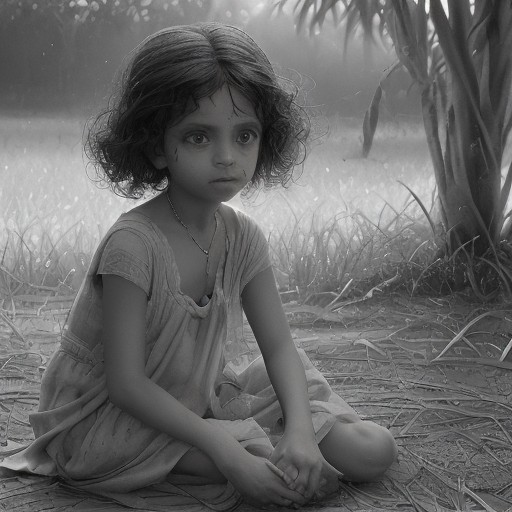
The Sad Passing of a Cinema Icon
In a heart-wrenching turn of events, the film industry mourns the loss of Uma Dasgupta, the talented actress who immortalized the character of Durga in Satyajit Ray’s groundbreaking film, Pather Panchali. Dasgupta passed away at the age of 70 after a long and arduous battle with cancer. Her performance in the 1955 classic has left an indelible mark on the world of cinema, earning her recognition that transcends borders. As fans and filmmakers alike reflect on her contributions, one can’t help but wonder: what does her legacy mean for contemporary cinema?
Pather Panchali: A Masterpiece of Storytelling
Pather Panchali, often translated as “Song of the Little Road,” is the first film in Ray’s celebrated Apu Trilogy, which continues with Aparajito and Apur Sansar. The film chronicles the struggles of a rural Bengali family, showcasing the harsh realities of poverty while highlighting the beauty of human resilience. Through its poignant storytelling and innovative cinematic techniques, Pather Panchali has been hailed as a masterpiece, influencing filmmakers across generations.
Uma Dasgupta’s Unforgettable Role as Durga
Uma Dasgupta’s portrayal of Durga is a crucial aspect of the film’s emotional depth. Her character, a spirited young girl, embodies the innocence of childhood while confronting the stark realities of life. Critics have often noted how Dasgupta brought a raw authenticity to her role, making her one of the most memorable child actors in film history. Her performance resonated with audiences worldwide, earning her a place in the hearts of many.
Cinematic Techniques That Changed the Game
Ray’s use of natural light, location shooting, and a storytelling style that emphasized realism were revolutionary for Indian cinema. The film’s cinematography, led by Satyajit Ray himself, captured the essence of rural India with stunning visuals that felt both intimate and expansive. This artistic vision not only elevated the film but also set a new standard for storytelling in the medium.
The Cultural Impact of Pather Panchali
Since its release, Pather Panchali has continued to inspire filmmakers and actors around the world. The film is often cited in discussions about the evolution of cinema, particularly in how it addresses social issues such as poverty, family dynamics, and the struggles of the human spirit. In a world increasingly dominated by commercial blockbusters, Ray’s work serves as a reminder of the power of storytelling that is grounded in reality.
Uma Dasgupta’s Lasting Influence
As news of Dasgupta’s passing spread, tributes poured in from across the globe. Many took to social media to express their grief and celebrate her contributions to cinema. Film festivals have begun to schedule retrospectives of Pather Panchali, showcasing not only Dasgupta’s performance but also the timeless relevance of Ray’s work. How will her legacy continue to influence future generations of actors and filmmakers?
A Legacy of Resilience and Artistry
Beyond her role in Pather Panchali, Dasgupta was a symbol of resilience in her personal life as well. Her battle with cancer was not just a fight for survival; it was a testament to her strength and determination, qualities that she imbued in her characters. As the film industry reflects on her contributions, it’s essential to consider the broader implications of her story—what does it mean for the portrayal of women in cinema, and how can we ensure that their stories are told authentically?
The Conversation About Representation in Film
Dasgupta’s untimely passing ignites a crucial conversation about representation in film. How often do we see characters like Durga portrayed in cinema today? Are filmmakers still committed to telling the stories of marginalized communities? As we honor Uma Dasgupta, we must also challenge ourselves to push for more diverse narratives that resonate with audiences on a deeper level.
Revisiting Pather Panchali: A Call to Action
As we revisit Pather Panchali and celebrate the legacy of Uma Dasgupta, let it serve as a call to action for filmmakers and audiences alike. We must advocate for stories that reflect the breadth of human experience, particularly those that have been historically underrepresented. The film industry has the power to shape culture and inspire change; how can we harness that power in a meaningful way?
The Future of Cinema: Inspired by the Past
With the loss of such a significant figure in cinema, the industry must reflect on its past while looking to the future. Uma Dasgupta’s performance as Durga is a reminder that storytelling is an art form that requires both passion and authenticity. As filmmakers embrace new technologies and platforms, let’s ensure that the stories of real people continue to find their way to the screen.
Conclusion: A Lasting Tribute
As we bid farewell to Uma Dasgupta, it’s essential to remember that her legacy is not just in the films she starred in but also in the conversations they inspire. Pather Panchali remains a cornerstone of Indian cinema, and Dasgupta’s portrayal of Durga will forever be etched in our memories. Her journey reminds us of the power of art to reflect societal truths and connect us through shared experiences. In honoring her memory, let’s commit to continuing the dialogue about representation, storytelling, and the importance of preserving the rich tapestry of human experience in film.


