
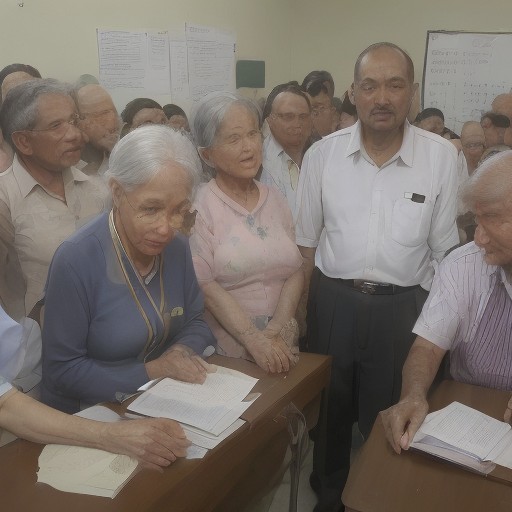
Understanding the Current Landscape of Retirement Age in India
The retirement age for central government employees in India has long been set at 60 years. This benchmark, however, is more than just a number; it represents a critical juncture in an employee’s journey, influencing their financial stability and future planning. As discussions around age and productivity gain traction, the implications of this retirement age are becoming increasingly significant for both employees and the government.
The Role of the Employees’ Provident Fund Organization (EPFO)
In the midst of this conversation lies the vital role of the Employees’ Provident Fund Organization (EPFO). This body governs the savings and retirement benefits of millions of employees across the country. According to EPFO rules, an employee’s EPF account can become inoperative if there are no contributions made for three consecutive years post-retirement. Specifically, an EPF account becomes inoperative 36 months after a subscriber’s retirement age of either 55 or 58 years, whichever comes first. This timeline is pivotal as it directly affects the pension benefits and the withdrawal of funds for retirees.
Recent Developments and Speculations
Recent discussions in the corridors of power have sparked speculation regarding a potential shift in the retirement age for central government employees. While the government remains tight-lipped on any definitive changes, the prospect of raising the retirement age is a hot topic. Advocates argue that extending the working age could harness the experience of senior employees and combat the looming skills gap in various departments.
The Implications of Raising the Retirement Age
Raising the retirement age could have a myriad of implications. On one hand, it could benefit the government by retaining experienced personnel who can mentor younger employees. This could lead to increased productivity and knowledge retention within departments. On the other hand, it raises concerns about job opportunities for younger professionals entering the workforce. Would a higher retirement age mean fewer job openings for the younger generation? It’s a question that needs careful consideration.
Reactions from Employees and Unions
The reaction to potential changes in retirement age is mixed among employees and unions. Some employees welcome the idea, viewing it as an opportunity to secure their financial future and maintain their professional identity for longer. Others, however, are concerned. “Younger employees need room to grow,” states a representative from a prominent government employees’ union. “If the government focuses solely on retaining older employees, it risks stymieing the career progression of younger talent.” This sentiment echoes throughout various sectors, where the balance between experience and fresh ideas is crucial for innovation.
Financial Planning and Retirement Preparedness
With the current retirement age set at 60, many employees are already focusing on their financial planning for retirement. As the EPFO mandates, understanding when an EPF account can become inoperative is essential for retirees to maximize their benefits. Employees are encouraged to stay informed about their EPF accounts and ensure they make necessary contributions to avoid any lapses that could jeopardize their financial security post-retirement.
The Emotional Toll of Retirement
Retirement is not just a financial transition; it’s a significant life change. For many, their identity is intertwined with their professional role. The thought of leaving their job at 60 can evoke feelings of anxiety and uncertainty. “It’s not just about the money,” shares a retiring government employee. “It’s about purpose and the fear of losing the community I’ve built over the years.” This emotional aspect of retirement often gets overlooked in discussions about age and productivity.
Potential Policy Changes and Future Projections
As India progresses, the conversation around retirement age is likely to evolve. With the average life expectancy increasing and the workforce becoming more diverse, policymakers must consider the implications of their decisions carefully. Will we see a gradual increase in retirement age to align with global trends? Or will the government prioritize immediate job creation for younger professionals? As we await official announcements, one thing is clear: the future of retirement in India is ripe for debate.
The Global Perspective
Looking at global trends, many countries have already adjusted their retirement ages to address similar challenges. For instance, countries like Germany and Japan have raised their retirement ages in response to an aging workforce and economic demands. These examples provide a roadmap for India, but could they also serve as cautionary tales? The balance of experience and opportunity remains delicate.
Conclusion: What Lies Ahead?
As the conversation around the retirement age for central government employees heats up, it is essential for all stakeholders to engage in open discussions. The potential policy changes could reshape the future of work in India, impacting not just current employees, but also the generations to come. Whether the government chooses to raise the retirement age or maintain the status quo, the implications are far-reaching.
In this age of rapid change, staying informed and prepared is vital for employees at all stages of their careers. The intersection of retirement age, financial planning, and emotional well-being will continue to be a topic of interest and debate. As we navigate these uncertain waters, one question remains: what does the future hold for central government employees in India?


