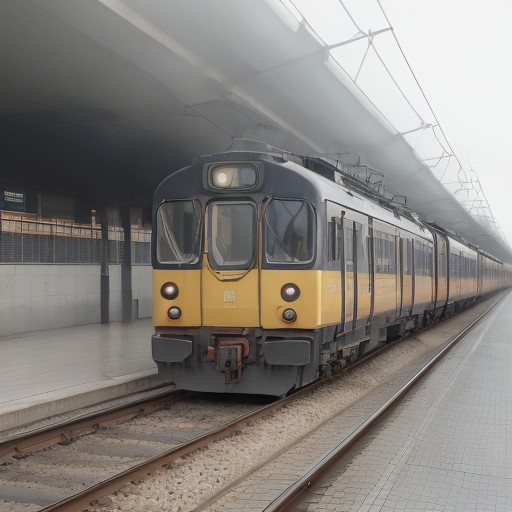
Introduction: The Evolution of Railways
As we hurtle into an era defined by technological innovation and sustainability, railways are at the forefront of this transformation. From infrastructure advancements to operational enhancements, the railway industry is becoming a cornerstone of modern transportation systems across the globe. With new updates emerging daily, it’s time to delve into how railways are evolving, the challenges they face, and the technological marvels that are reshaping our travel experience.
Infrastructure Innovations: The Backbone of Rail Transport
At the heart of railway advancements lies the Infrastructure Platform, notably exemplified by Railway.app. This platform revolutionizes how users provision infrastructure, allowing for seamless development and deployment to the cloud. As technology becomes increasingly integrated into railway operations, the need for robust infrastructure has never been more critical.
In the UK, the railway scene is buzzing with activity. Grand Central is ambitiously seeking to extend its track access rights in Yorkshire and the North East, promising to enhance connectivity in these regions. Meanwhile, British Steel has made headlines by opening a massive rail stocking facility in Scunthorpe, a move aimed at bolstering the supply chain and ensuring that the railway network runs smoothly.
Global Railway News: A Snapshot of Current Events
The railway industry is a dynamic entity, constantly evolving in response to challenges and opportunities. Recent reports from various regions illustrate this ongoing transformation.
UK Railways: Change is in the Air
In the UK, railways are adapting to meet the needs of a changing populace. Service schedules are being revised, recruitment drives are underway, and technological innovations are being implemented. However, amidst these developments, concerns remain about the efficiency of services and the impact of changes on daily commuters.
Indian Railways: Navigating Challenges
Across the Indian subcontinent, the Central Railway is grappling with significant challenges. Recently, a temporary restriction on platform ticket sales was introduced, alongside a derailment incident at Kalyan station. These events raise questions about the safety measures in place and the urgent need for infrastructure upgrades to prevent such occurrences in the future.
Scotland’s Rugby Boom: A Test of Capacity
In Scotland, ScotRail is gearing up for a surge in travel demand with the upcoming rugby events. The decision to add more seats and services is a welcome change, but it has sparked controversy among the Scottish Greens, who advocate for scrapping first-class seats to optimize capacity. This debate highlights the delicate balance between luxury and accessibility in public transportation.
Technological Advancements: The Future is Now
As the railway industry embraces technology, innovations are paving the way for safer and more efficient travel experiences.
Thermal Imaging Drones: A Cold Weather Savior
Network Rail is taking winter preparedness to new heights with the introduction of thermal imaging drones. These high-tech devices are designed to keep tracks clear during cold weather, ensuring that services remain uninterrupted. This proactive approach not only enhances safety but also demonstrates the industry’s commitment to leveraging technology for operational efficiency.
3D Mapping for Accessibility
Meanwhile, Govia Thameslink Railway is testing digital 3D maps aimed at improving accessibility for passengers. This initiative could revolutionize how travelers navigate the railway system, making it easier for everyone, particularly those with disabilities, to access services. The question remains: will this technology be widely adopted, or will it face bureaucratic hurdles?
Ferry Innovations: Glen Sannox Goes Live
In a related maritime development, the new ferry, Glen Sannox, has received full approval and passenger certification after extensive testing. This approval signifies progress in integrating different modes of transport, potentially enhancing overall travel experiences for passengers who rely on both rail and sea.
Historical Insights: Learning from the Past
The railway industry is steeped in history, with lessons to be learned from its past as it navigates the future. The introduction of the British Rail Class 67 locomotive marked a significant evolution in high-speed mail train services. Over the years, this locomotive has undergone significant adaptations, showcasing the industry’s ability to evolve.
Similarly, the Indian Railway network has seen remarkable enhancements, particularly with the introduction of the Vande Bharat Express. This train is equipped with advanced safety features, including the Early Earthquake Detection System, highlighting how historical lessons have informed modern safety protocols. However, will these advancements be enough to meet the growing demands of an expanding population?
The Road Ahead: Opportunities and Challenges
As we look to the future, the railway industry stands at a crossroads. The opportunities presented by technological advancements and infrastructure improvements are immense, yet they come with their own set of challenges. The need for sustainable practices, increased capacity, and enhanced safety measures are paramount.
Moreover, the ongoing debate about the balance between luxury and accessibility in services could shape the future of rail travel. Will railway companies prioritize profitability, or will they commit to providing equitable access for all passengers? This question is crucial as we move forward in an increasingly interconnected world.
Conclusion: A Call to Action
The railway industry is undergoing a seismic shift, presenting both opportunities and challenges that will define its future. As technology continues to evolve, stakeholders must remain vigilant, advocating for policies and practices that prioritize safety, accessibility, and sustainability. The future of railways is bright, but it requires a collective commitment to innovation and improvement.
In the coming years, as we witness these changes unfold, we invite you to share your thoughts. How do you envision the future of rail travel? What innovations do you believe will have the most significant impact? Join the conversation and help shape the narrative of railways in the modern age.


