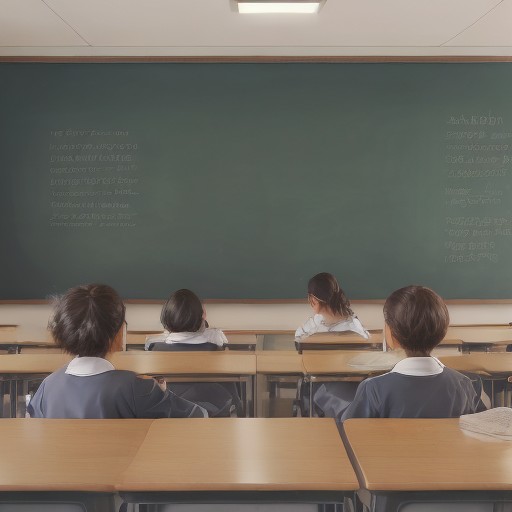
The State of School Education: A Global Overview
School education has always been a cornerstone of society, shaping future leaders, innovators, and thinkers. Yet, as we delve into the current state of education across the globe, it becomes evident that this complex topic is riddled with multifaceted challenges and diverse perspectives. From the United States to Australia, Hong Kong, and beyond, education systems are facing unique hurdles while also striving for excellence.
U.S. Education Outcomes: A Call for Change
The United States, known for its wealth and resources, has come under fire for its mediocre education outcomes. Despite spending significantly more per student than many other countries, U.S. students consistently score below their international peers in critical subjects like math and science. This raises crucial questions: is money the only factor, or are there deeper systemic issues at play?
Students who have had the opportunity to study abroad in top-performing countries often cite the rigor of academic content and teaching methods as a stark difference. In nations like Finland and Singapore, education is treated as a serious endeavor, with students experiencing a more challenging curriculum that emphasizes critical thinking and problem-solving skills.
Furthermore, the role of sports in the educational experience cannot be overlooked. In many high-achieving countries, athletics take a backseat to academic pursuits, allowing students to devote more time and energy to their studies. This shift in focus fosters a stronger sense of purpose, where students view their education as a means to secure a prosperous future.
Australia’s Lifelong Learning Paradigm
Across the globe, Australia stands out with its commitment to lifelong learning as highlighted by the NSW Department of Education. This initiative emphasizes the importance of education from early childhood through to vocational training, ensuring that students are equipped with the skills necessary to thrive in a rapidly changing world.
By employing the best teachers and providing comprehensive information about school operations and curricula, the NSW Department of Education aims to create an inclusive environment that acknowledges and incorporates Aboriginal education. This commitment to diversity not only enriches the learning experience but also promotes a more holistic understanding of the world.
Challenges in Hong Kong’s Education System
Meanwhile, in Hong Kong, the education system is currently grappling with a significant decline in academic standards. Subjects like English, Chinese, and math have suffered, leading to intense scrutiny of the government’s approach to education. Many attribute this decline to the pandemic, but systemic issues also play a critical role.
Recent efforts aimed at enhancing student support systems are underway, including streamlining suicide prevention measures in schools. As mental health becomes a growing concern among students, the education system must adapt to provide adequate resources and support to tackle these pressing issues.
Global Perspectives: Embracing Best Practices
The globalization of education has led to an increasing emphasis on international comparisons and best practices. Countries like Singapore and India are making significant strides by highlighting indigenous knowledge systems and innovative educational initiatives that resonate with their unique cultural contexts.
This shift towards incorporating local knowledge not only enriches the curriculum but also fosters a sense of identity and belonging among students. As education systems around the world look to improve, the lessons learned from these countries can serve as valuable templates for others facing similar challenges.
The Rise of AI in Education: Navigating New Frontiers
As we move further into the 21st century, artificial intelligence (AI) is becoming an increasingly prevalent topic in educational discourse. In regions like British Columbia, educators are grappling with the lack of clear guidelines for integrating AI into the classroom. This uncertainty raises vital questions about the role of technology in education and how it can be harnessed to foster improved learning outcomes.
While some educators are excited about the potential of AI to personalize learning experiences and provide real-time feedback, others express concern about the implications for teaching practices and student engagement. The challenge lies in finding a balance that leverages technology while maintaining the essential human elements of education.
Implications of Emerging Trends in Education
As we explore the evolving landscape of school education, it is essential to consider the broader implications of these emerging trends. The ongoing challenges faced by education systems worldwide raise critical questions about equity, access, and the future of learning.
For instance, the focus on academic rigor in top-performing countries may inadvertently marginalize students who require additional support. Ensuring that all students have access to quality education—regardless of their background—remains a pressing concern for policymakers and educators alike.
Moreover, as AI becomes more integrated into classrooms, educators must grapple with the ethical implications of technology in learning environments. How do we ensure that AI complements, rather than replaces, the invaluable role of teachers in fostering creativity, critical thinking, and emotional intelligence?
Voices from the Field: Educators Weigh In
To gain further insight into the current state of school education, we reached out to educators across various regions. Many expressed a desire for more collaboration and sharing of best practices among countries to address common challenges.
One educator from the U.S. noted, “We have so much to learn from systems that prioritize academic rigor. It’s not just about spending money; it’s about being intentional with our resources and creating an environment where learning is the main focus.”
In contrast, a teacher from Hong Kong shared, “While we face many challenges, I believe we can turn things around by focusing on student well-being and support. Education should be about nurturing the whole child, not just their academic performance.”
The Path Forward: Collaborative Solutions
As we navigate the complexities of school education, it is clear that collaboration is key. By fostering partnerships between countries, educators, and policymakers, we can share insights and strategies to overcome shared challenges. Embracing a global perspective while tailoring solutions to fit local contexts will be essential in creating effective education systems that meet the needs of all students.
In conclusion, the quest for excellence in school education is both a challenge and an opportunity. By addressing the multifaceted issues at play and embracing innovative approaches, we can pave the way for a more equitable and effective education system that prepares students for success in an ever-changing world.


