
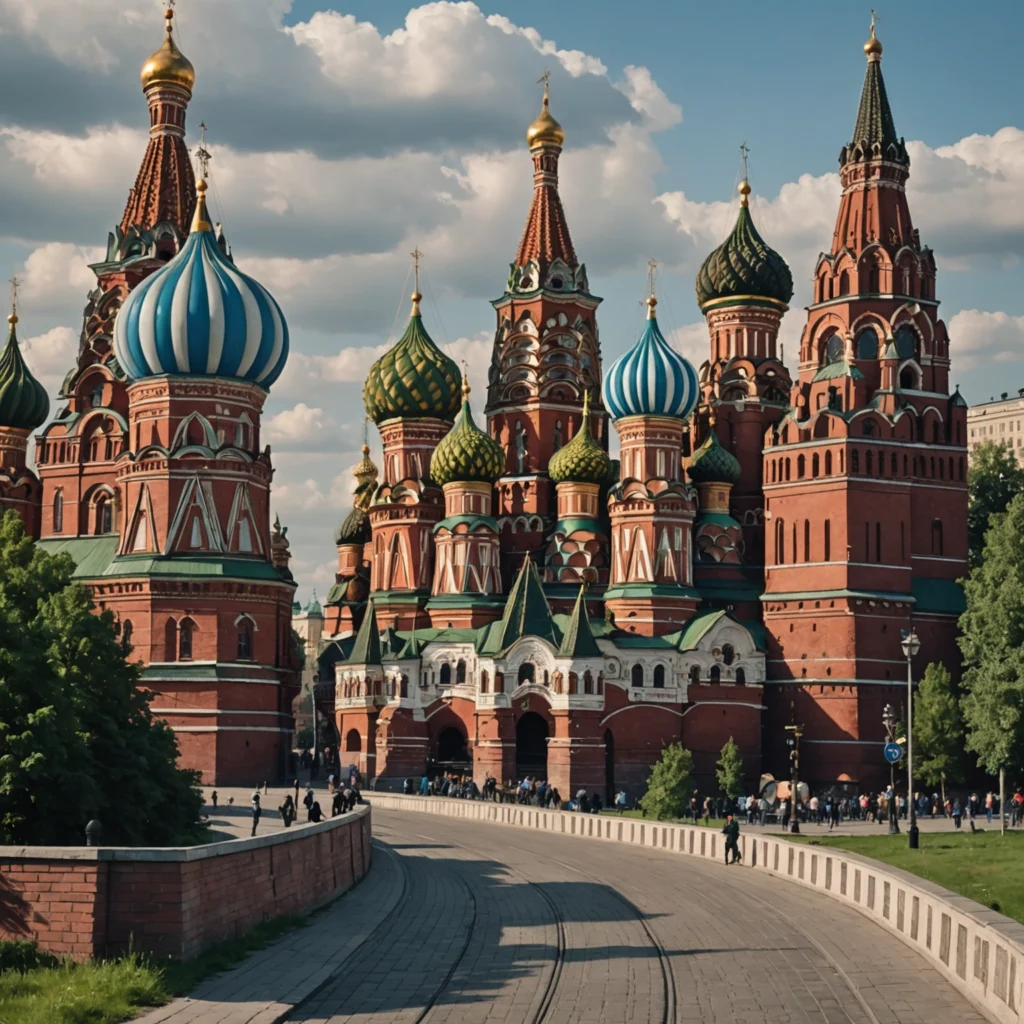
The Complex Landscape of Russia Today
As the world watches with bated breath, the current situation in Russia stands as a testament to the nation’s surprising resilience amid unprecedented economic sanctions and ongoing military conflicts. While Western policymakers believed that sanctions would cripple the Russian economy, the reality is far more complex. Russia has not only managed to sustain its war efforts but has also shown remarkable economic growth, defying expectations and raising questions about the effectiveness of the international response.
Economic Resilience: A Surprising Turnaround
In a shocking twist, Russia’s economy has displayed unexpected strength, boasting a 3.6% GDP growth in 2023 with projections indicating a further rise to 3.9% in 2024. This resilience can be attributed to a variety of factors, including the nation’s ability to creatively evade Western sanctions. Despite attempts to isolate Russia economically, the country has continued to export vital commodities such as oil and gas, finding loopholes and alternative markets to sustain its economy.
The unemployment rate in Russia has remarkably decreased from 4.4% before the war to just 2.4% in September 2024. This drop showcases not only the strength of certain sectors but also highlights a shift in workforce dynamics as high defense spending attracts labor away from civilian industries.
Military Keynesianism: The Double-Edged Sword
At the heart of Russia’s economic strategy lies military Keynesianism. This approach emphasizes large military expenditures as a means to stimulate economic growth and employment. In 2024, Russia has allocated a staggering 7% of its GDP to defense, funneling resources into nearly 560,000 armed internal security troops and private military companies. While this strategy boosts short-term economic indicators, experts warn that such a model is inherently unsustainable in the long run, potentially leading to severe economic repercussions once the current military endeavors conclude.
The Civilian Economy: A Struggling Landscape
While military spending skyrockets, the civilian economy is facing dire challenges. Small- and medium-sized enterprises (SMEs) have been particularly hard hit, shrinking in size and capacity as high defense expenditures drive salaries up, creating competition for labor. With interest rates soaring to 21%, access to capital for non-defense sectors has become a nearly insurmountable hurdle. As a result, many businesses find themselves on the brink of collapse, raising concerns about the future stability of Russia’s economy.
Political Turmoil: Trials and Allegations
As economic pressures mount, political tensions within Russia are also rising. A treason trial is currently underway for a Russian citizen accused of sending video footage of military equipment to Ukraine. This incident underscores the growing internal security concerns within the nation, revealing the potential fractures in loyalty and the fear of dissent among the populace. Such developments not only heighten political instability but also reflect a climate of paranoia that could have lasting implications for the government’s control over its citizens.
Diplomatic Passport Abuse: A Controversial Trend
Allegations have surfaced regarding the misuse of diplomatic passports by Russian elites and their families, allowing them to travel abroad while bypassing regular regulations. This practice has ignited a firestorm of controversy, raising questions about privilege and accountability within the Russian political elite. As the country grapples with international isolation, such acts only serve to fuel resentment among the general populace, who are bearing the brunt of the economic fallout.
International Military Collaboration: A Unified Front Against Russia
On the international stage, Ukraine is strengthening its military collaboration with NATO, seeking support from allies like Estonia to bolster its defenses against Russian aggression. This growing alliance highlights the shifting dynamics of power in Europe and the potential for escalated conflict as neighboring nations band together to counter perceived threats. The implications of this military collaboration could shape the future geopolitical landscape, forcing Russia to reassess its strategies and alliances.
The Future: Speculations and Implications
As we look to the future, the implications of Russia’s current trajectory are both fascinating and concerning. The juxtaposition of economic resilience against the backdrop of military expansion raises critical questions about sustainability and long-term stability. Will the military Keynesianism strategy ultimately lead to a flourishing economy, or will it sow the seeds for a deeper economic crisis once the conflict subsides?
Moreover, the internal strife evidenced by political trials and the alleged abuse of diplomatic privileges could signify a turning point for the Russian government, potentially leading to increased dissent and challenges to authority. If the populace begins to question the legitimacy of their leaders amid declining living standards and mounting international isolation, the Kremlin may find itself in a precarious position.
Conclusion: A Nation at a Crossroads
In conclusion, Russia stands at a critical juncture, navigating a complex landscape marked by economic resilience, military expansion, and political turmoil. As the world observes, the outcomes of these trends will not only shape the future of Russia but will also have profound implications for global stability and security. The narrative of Russia is far from complete, and as events unfold, it is imperative for analysts, policymakers, and citizens alike to engage in informed discussions about the potential directions this multifaceted situation may take.



