
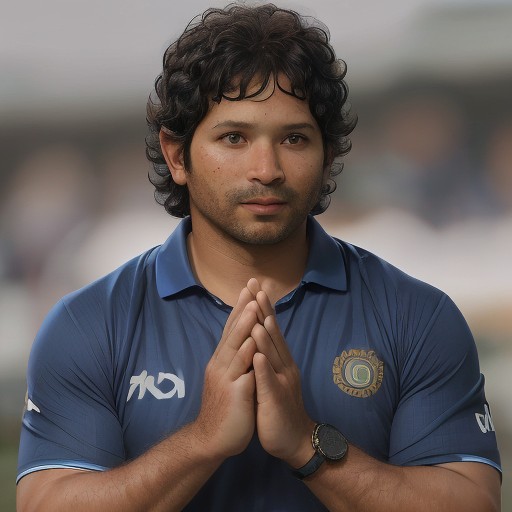
The Early Days: A Prodigy in the Making
Sachin Ramesh Tendulkar, born on April 24, 1973, in Mumbai, India, is often hailed as the greatest batsman in cricket history. His journey began at an astonishingly young age. At just 16 years old, he made his Test debut against Pakistan in 1989, a moment that would mark the beginning of an illustrious career. Tendulkar’s early performances were nothing short of sensational, with spectacular centuries during his first tours of England and Australia, setting the cricketing world ablaze.
A Record-Breaking Career
Tendulkar’s career is adorned with records that many believe will remain unbroken for generations. He is the highest run-scorer of all time in international cricket, racking up an incredible 34,357 runs across formats. Notably, he is the only player in history to score a staggering 100 international centuries. His dominance in One-Day Internationals (ODIs) was epitomized when he became the first batsman to score a double century in an ODI, a feat that revolutionized the format.
His Test cricket accomplishments are equally remarkable, with over 50 centuries to his name. Each milestone he reached added to his legend, with fans and critics alike marveling at his technique, concentration, and ability to perform under pressure. Tendulkar’s batting style has inspired countless young players, and his records are a benchmark for aspiring cricketers around the globe.
The Legacy of a National Icon
Tendulkar’s impact on Indian cricket transcends personal achievements. He has been a beacon of hope and inspiration for millions. His journey from a young boy with dreams to a national hero resonates deeply with fans. In recognition of his contributions, he was awarded the Bharat Ratna, India’s highest civilian honor, in 2014. This award was not just a nod to his cricketing prowess but also to his influence on the sport and society.
Moreover, Tendulkar has played a pivotal role in nurturing the next generation of cricketers. His mentorship and guidance have helped shape the careers of many young talents, ensuring that his legacy continues to thrive. In a nation where cricket is more than just a sport, Tendulkar’s influence is immeasurable.
The Post-Cricket Era: A New Chapter
After retiring from international cricket in 2013, Tendulkar did not fade into the background. Instead, he embraced new opportunities to contribute to the sport he loves. He became involved with various initiatives aimed at promoting cricket, particularly in underserved communities. The Yuwa Foundation, for example, focuses on empowering young girls through sports, offering them a platform to excel and break societal barriers.
More recently, Tendulkar has ventured into the burgeoning cricket scene in the United States by joining the ownership group of America’s National Cricket League (NCL). This move has sparked discussions about the globalization of cricket and its potential to capture the American audience. As cricket continues to gain traction worldwide, Tendulkar’s involvement signifies a commitment to expanding the sport’s reach.
Controversies and Challenges: The Other Side of Fame
No discussion about Tendulkar is complete without touching upon the controversies he has navigated during his career. While he is universally admired, his rise to fame was not without challenges. Early in his career, his selection for the national team drew criticism, with many questioning whether he was too young to handle the pressures of international cricket. However, he silenced his doubters with remarkable performances that proved his mettle.
Furthermore, as he transitioned from player to mentor, Tendulkar faced skepticism about his ability to lead and inspire the next generation. Critics wondered if he could translate his on-field success into effective mentorship. Yet, his ongoing contributions and the success of the players he has guided speak volumes about his capabilities beyond just batting averages.
Personal Life: The Man Behind the Legend
Beyond the cricket field, Tendulkar is a family man. He is married to Anjali Tendulkar, and together they have two children. His son, Arjun Tendulkar, is following in his father’s footsteps, making waves in domestic and T20 cricket. This connection to the sport ensures that Tendulkar’s legacy will continue through his family, further solidifying his status as a cricketing dynasty.
Tendulkar is also known for his philanthropic work, contributing to various charitable causes. His commitment to giving back to society has endeared him to millions, enhancing his image as not only a sports icon but also a role model for responsible citizenship.
Relevance in Today’s Cricketing Landscape
As cricket evolves with the advent of T20 leagues and new formats, Tendulkar’s insights and experiences remain relevant. His understanding of the game and its intricacies allows him to serve as an advisor and mentor to players and coaches alike. With the rise of analytics in cricket, Tendulkar’s perspective on technique and mental fortitude is invaluable in helping modern players navigate the complexities of the game.
Moreover, his involvement in initiatives like the NCL reflects his desire to keep cricket relevant in a rapidly changing world. As cricket tries to break into new markets, Tendulkar’s iconic status could serve as a bridge between traditional and contemporary forms of the sport.
Conclusion: The Everlasting Influence of Sachin Tendulkar
Sachin Tendulkar is more than just a cricketer; he is a symbol of excellence, determination, and inspiration. His journey from a young prodigy to a global cricketing icon captivates audiences worldwide. As he continues to play a role in promoting and nurturing the sport, his legacy remains as strong as ever.
In a world where sports often reflect societal values, Tendulkar’s story is a testament to the power of hard work and perseverance. As fans and future generations look to the future of cricket, they will undoubtedly carry with them the lessons learned from the life and career of Sachin Tendulkar—a true legend in every sense of the word.


