
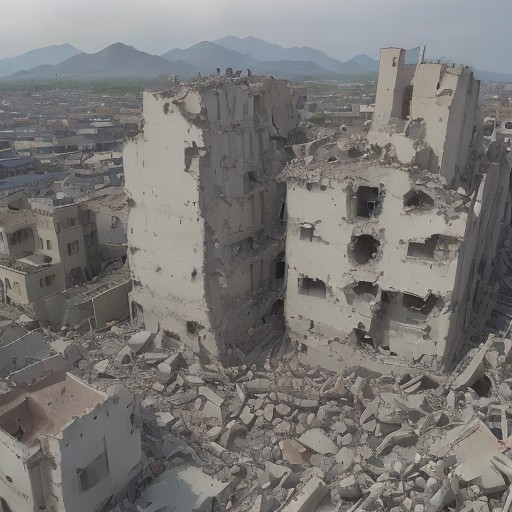
The Earth Trembles: A Series of Shocking Earthquakes on November 23, 2024
On November 23, 2024, the earth beneath our feet reminded us of its unpredictable nature as several earthquakes were reported across different regions of the United States. From the icy terrains of Alaska to the coastal shores of California, these seismic activities have sparked intrigue and concern among residents and scientists alike.
Alaska’s Subtle Shakes
The Alaska Earthquake Center recorded a modest magnitude 1.7 earthquake near Kantishna. While this tremor may seem minor in comparison to its more formidable counterparts, it serves as a reminder of Alaska’s seismic volatility. The Denali Fault earthquake on November 3, 2002, which registered a magnitude of 7.9, still lingers in the minds of many. This historical event not only reshaped the geological landscape but also highlighted the potential dangers lurking beneath the surface.
California’s Coastal Concerns
Meanwhile, offshore Northern California was rattled by a magnitude 2.1 earthquake occurring approximately 11 miles north of Fort Bragg, California. This quake is part of a concerning trend, as the region is no stranger to seismic activity. The natural beauty of the Californian coastline belies the hidden dangers beneath the waves. Residents are left to ponder: are we prepared for a more significant earthquake?
Moreover, another minor earthquake measuring 0.7 magnitude was detected just 10 kilometers north of Anza, California, and another 2.1 magnitude quake was recorded 14 kilometers south of Cape Vizcaino. These seemingly insignificant tremors contribute to a growing sense of unease among Californians, who are all too aware of the catastrophic potential of larger quakes.
The Global Perspective: Earthquakes Beyond California
As we consider the implications of these recent events, it’s essential to look beyond the borders of the United States. The earthquake in Gujarat, India, for instance, has left an indelible mark on the region’s history. In 2001, a devastating earthquake struck the area, resulting in catastrophic loss of life and property. Today, as we witness a series of minor earthquakes in California, one must wonder: could a similar disaster occur in the future?
The earthquake in Patan serves as a stark reminder of the vulnerabilities faced by regions prone to seismic activities. The earthquake in Gujarat is not just a historical footnote; it is a testament to the power of nature and the need for preparedness. As scientists analyze seismic patterns, we must ask ourselves: are we learning from the past?
Science Behind the Shakes: What We Know
The U.S. Geological Survey (USGS) Earthquake Hazards Program provides crucial data on seismic activities, allowing communities to stay informed. Recent trends indicate an uptick in minor earthquakes, which, while not uncommon, raise questions about the stability of the tectonic plates in the region. Are these tremors harbingers of larger quakes, or are they simply the earth’s way of releasing built-up tension?
Experts often emphasize the importance of preparedness. Communities in earthquake-prone areas should have plans in place for quick evacuations and emergency responses. Public awareness campaigns are vital in educating residents about the steps they should take during and after an earthquake.
Preparedness: The Key to Survival
In light of these recent earthquakes, the conversation around preparedness has gained momentum. Schools, businesses, and households are urged to develop emergency plans. The earthquake in Patan serves as a crucial case study, emphasizing the need for infrastructure that can withstand seismic shocks. Are we doing enough to protect our communities?
California, with its extensive coastline and population density, faces unique challenges. The state has invested heavily in earthquake engineering and retrofitting structures to make them more resilient. However, the question remains: is it enough? With the specter of a significant earthquake looming, Californians must remain vigilant.
The Controversy: Are We Prepared for the Big One?
As the world watches California’s seismic activities, a controversial debate rages on: are we truly prepared for a catastrophic earthquake? Skeptics argue that despite advancements in technology and infrastructure, the threat of a major quake remains. Meanwhile, proponents of earthquake preparedness maintain that ongoing efforts to bolster community readiness are crucial.
Critics often point to the Patan earthquake as a cautionary tale, highlighting the devastation that can occur when preparation falls short. Are we ignoring the lessons of history? The discussions about the implications of these recent quakes are not just academic; they resonate deeply with residents who live under the constant threat of seismic activity.
Emotional Response: The Human Factor
Beyond the scientific data and preparedness plans lies the human element. Earthquakes evoke fear and uncertainty, shaking not just the ground but the very foundations of our lives. Communities affected by past earthquakes often grapple with trauma long after the tremors have subsided. The emotional scars can be as profound as the physical damage.
As we consider the recent tremors in California, it’s crucial to acknowledge the anxiety felt by residents. The fear of the unknown can lead to heightened stress and anxiety, pushing communities to demand better preparedness measures. Are we prioritizing the mental health implications of living in earthquake-prone areas?
Looking Ahead: What Does the Future Hold?
The earthquakes of November 23, 2024, serve as a poignant reminder of the earth’s power and the unpredictability of nature. As we look to the future, the question remains: how will we respond to these seismic challenges? Will we heed the warnings and take proactive steps to safeguard our communities? Or will we allow history to repeat itself, caught unprepared when the next big one strikes?
In conclusion, the recent earthquakes are not just geological events; they are a call to action. The tremors felt across Alaska and California remind us of our vulnerability and the need for resilience. As we continue to study these phenomena, let us also prioritize the safety and preparedness of our communities, learning from the past to build a safer future.


