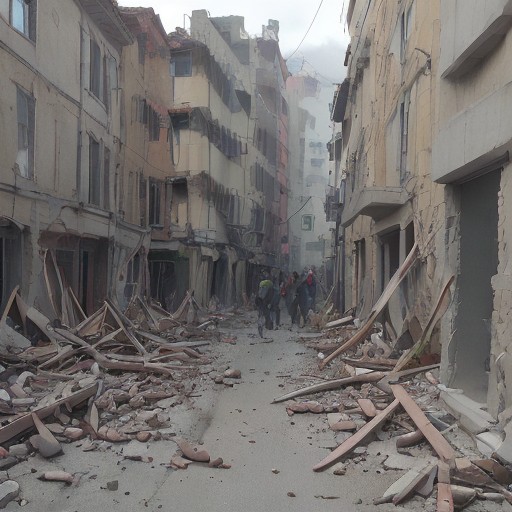
The Earth Trembles: Recent Seismic Activity Around the World
As November 2024 unfolds, the world has witnessed a series of alarming earthquakes that have left scientists, governments, and residents on high alert. From Northern California to the coasts of Mexico, seismic activity is stirring conversations about the stability of our planet and what it means for those living in quake-prone areas. These recent tremors are not just numbers on a Richter scale; they symbolize a growing unease regarding the Earth’s geological behavior.
California Quakes: A Wake-Up Call for the Golden State
On November 21, 2024, a 3.3 magnitude earthquake rattled Sonoma County, California, a region notorious for its seismic activity. This was closely followed by a more significant tremor—a 4.1 magnitude earthquake off the coast of Northern California. The timing and proximity of these events have ignited discussions about the risks residents face in this beautiful yet perilous state.
The Geysers, located in Sonoma County, is known for its geothermal energy and frequent seismic events. Many locals are now questioning if this latest series of quakes is merely a natural occurrence or a precursor to a larger, more devastating earthquake. Could California be on the brink of a catastrophic event? This question looms large, fueled by historic data indicating that the region is due for a significant quake.
Mexico’s Coastal Shake-Up
Just two days later, on November 23, a 4.1 magnitude earthquake struck off the coast of Nayarit, Mexico, at 23:20 UTC. Located approximately 139 kilometers west of Puerto Vallarta, this quake occurred at a shallow depth of just 5 kilometers, making it felt by many residents along the coast. The seismic activity didn’t stop there; another quake of the same magnitude was reported in the North Pacific Ocean near Puerto Vallarta just hours later.
These quakes have raised eyebrows and concerns among Mexican officials and residents alike. With tourism being a vital part of Puerto Vallarta’s economy, the impact of such seismic events could deter visitors, affecting livelihoods. Are these tremors a sign of a more significant geological shift in the region? As speculation swirls, some experts warn that the cumulative effects of these quakes could lead to increased instability.
Macquarie Island: A Mighty Shake in the Southern Ocean
The seismic activity was not confined to the Americas. On the same day as the Nayarit quakes, a 5.1 magnitude earthquake struck the Macquarie Island region at 23:55:55 UTC. With a depth of 10 kilometers, this quake was felt across the remote island, which lies between New Zealand and Antarctica.
Macquarie Island is a unique geological area, being primarily composed of oceanic crust. The occurrence of such a significant earthquake raises questions about tectonic movements beneath the Southern Ocean. Could this event be indicative of a larger geological trend, or is it simply an isolated incident? Scientists are scrambling to analyze data, but the implications could be far-reaching, especially concerning marine ecosystems and global tectonic activity.
Understanding the Impacts: Are We Prepared?
As these tremors continue to shake the globe, questions about preparedness arise. In California, where earthquakes are a part of life, the state has invested heavily in infrastructure to withstand seismic events. However, recent studies show that many buildings still lack adequate retrofitting to withstand a major quake. Is California truly ready for “The Big One”? The ongoing seismic activity may serve as a reminder that complacency can be dangerously misleading.
In Mexico, the coastal communities are also grappling with the implications of these earthquakes. While local governments have protocols in place for emergencies, the frequency and intensity of the recent quakes may necessitate a reevaluation of readiness. Are residents equipped with the knowledge and resources to respond effectively? The answer remains uncertain as communities attempt to process the aftershocks—both literal and psychological—of these seismic events.
The Science Behind the Shakes
So, what’s causing this recent uptick in seismic activity? Geologists point to several factors, including tectonic plate movements, volcanic activity, and even climate change impacts. The Earth’s crust is constantly shifting, and while the vast majority of these movements go unnoticed, the recent events are a stark reminder of nature’s power.
According to seismologists, regions along the Pacific Ring of Fire are particularly susceptible to earthquakes due to the numerous tectonic boundaries present. As tensions build along these boundaries, the potential for significant quakes increases. The recent activity in California and Mexico highlights the unpredictability of these geological phenomena and raises critical questions about the preparedness of affected regions.
Public Reaction and Speculation
As news of these earthquakes spreads, public reaction has been a mix of concern, fear, and skepticism. Social media platforms are awash with discussions, memes, and even conspiracy theories. Some individuals are questioning the accuracy of seismic data, while others express fears of impending doom. Is this merely a case of heightened anxiety, or is there a legitimate cause for alarm? The debate continues to rage.
Experts urge the public to remain calm and informed, emphasizing the importance of understanding the science behind earthquakes. Educational campaigns and emergency preparedness drills are essential for empowering communities. However, as each tremor shakes the ground beneath our feet, the fear of the unknown continues to loom large.
Looking to the Future: What Lies Ahead?
As we analyze the recent seismic activity, the pressing question remains: What does the future hold? Will California experience “The Big One”? Are coastal communities in Mexico prepared for the aftershocks of these earthquakes? The answers are not easily discernible, but one thing is clear—the Earth is a dynamic and unpredictable entity.
Continued monitoring and research are paramount for understanding the patterns of seismic activity. As technology advances, scientists are developing more sophisticated models to predict earthquakes, potentially saving lives and minimizing damage. However, the unpredictability of tectonic movements means that absolute certainty will always elude us.
A Call to Action
In light of the recent earthquakes, it’s crucial for individuals, communities, and governments to take action. Preparedness is key—whether it’s creating emergency kits, participating in drills, or advocating for improved infrastructure. We cannot predict the next quake, but we can prepare for it.
As the world watches and waits, the lesson from these recent earthquakes is clear: Nature commands respect, and we must heed its warnings. Whether you’re in California, Mexico, or beyond, staying informed and prepared is the best way to navigate the tremors of our ever-changing planet.


