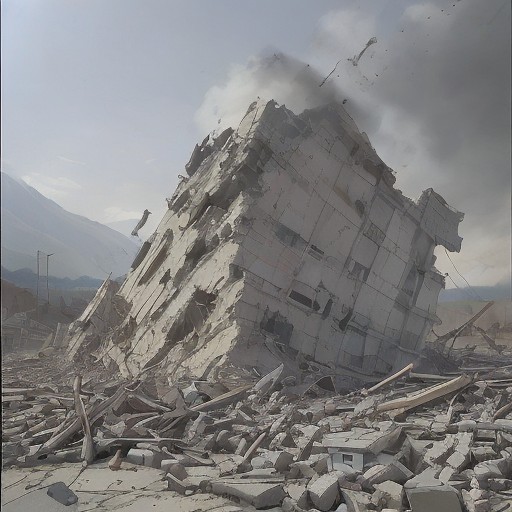
The World is Shaking: A Closer Look at Recent Earthquakes
As the earth trembles and shakes beneath our feet, recent seismic activity has drawn attention from scientists and citizens alike. From Northern California to the coasts of Mexico, and even the remote regions of Macquarie Island, the globe is experiencing a surge in earthquake activity. What does this mean for the safety of our communities, and how should we respond to this alarming trend? Buckle up as we dive into the seismic events that have rattled our world and explore the implications for our future.
Seismic Surge in Northern California
On a seemingly ordinary Thursday morning, residents of Sonoma County were jolted awake by a 3.3 magnitude earthquake, an event that is far from unusual for this quake-prone area. The U.S. Geological Survey (USGS) quickly confirmed the tremor, which was followed by a more significant 4.5 magnitude quake on Saturday afternoon in northeast Sonoma County. This raises an unsettling question: Are we on the brink of a larger seismic event?
Adding to the tension, a 4.0 magnitude earthquake struck off the Northern California coast on Friday morning, impacting Humboldt County. With minor quakes reported near Gilroy and Morgan Hill, the frequency of seismic activity in this region has made residents anxious. Could these events signify a potential shift in tectonic plate dynamics? Experts are divided on the implications, fueling a debate about earthquake preparedness and the need for improved infrastructure in vulnerable areas.
The Mexican Coast Shudders
Meanwhile, off the coast of Nayarit, Mexico, a 4.1 magnitude earthquake struck on November 23 at 23:20:18 UTC. The quake, which had a shallow depth of just 5 km, was located approximately 139 km west of Puerto Vallarta. While this earthquake did not result in significant damage or casualties, it serves as a stark reminder that seismic activity is not confined to California.
This earthquake has sparked discussions among geologists about the Pacific Ring of Fire—a region notorious for its high levels of seismic activity. As countries along this ring brace for potential future quakes, many wonder if we are witnessing the early signs of a larger, more devastating event.
Global Quake Watch: An International Perspective
But the shaking doesn’t stop there. On the same day, a 5.1 magnitude earthquake was reported in the Macquarie Island region, demonstrating that seismic unrest is a global phenomenon. With an impressive depth of 10 km, this earthquake raises questions about the geological forces at play beneath the ocean floor. Are we seeing a global pattern of increased seismicity, and what could this mean for coastal regions worldwide?
Moreover, a light 2.5 magnitude earthquake occurred in the North Pacific Ocean, near the coast of Ibaraki, Japan, on November 23, 2024. Japan, a nation that has long been at the mercy of seismic activity, is no stranger to earthquakes. The recent tremors add to the ongoing concerns regarding Japan’s earthquake preparedness and the potential for tsunamis.
The Implications of Increased Seismic Activity
With recent earthquakes occurring in quick succession across the globe, the question on everyone’s mind is whether we are entering an era of heightened seismic activity. Experts warn that fluctuations in earthquake frequency and intensity may correlate with changes in climate and geological shifts.
What does this mean for our future? Increased seismic activity could lead to significant challenges for infrastructure, emergency services, and communities worldwide. Cities that once felt secure may need to reevaluate their preparedness plans, invest in retrofitting buildings, and educate residents on disaster response protocols.
Public Reactions: Fear, Preparedness, and Controversy
The recent uptick in earthquakes has ignited a wave of public concern. Social media platforms are buzzing with discussions about the potential for larger quakes, with some users sharing personal experiences and fears. This outpouring of anxiety has led local governments and organizations to ramp up their earthquake preparedness initiatives.
However, the conversation has not been without controversy. Some skeptics argue that the media’s portrayal of these seismic events may be fueling unnecessary panic. “While it’s essential to be informed, we must also avoid sensationalizing natural phenomena,” cautioned Dr. Elena Ramirez, a seismologist at the National Seismic Center. “Earthquakes are a part of life in many regions; it’s crucial to focus on science and preparedness rather than fear-mongering.”
What Can We Do? Preparing for the Future
As the ground shakes beneath our feet, the question remains: How can we prepare for potential seismic events? The answer lies in education, preparedness, and community resilience.
1. **Educate Yourself**: Understanding seismic activity and its implications can empower individuals and communities. Local governments should provide resources for residents to learn about earthquake safety and preparedness.
2. **Emergency Plans**: Families should develop emergency plans that outline how to respond in the event of an earthquake. This includes identifying safe spaces within the home, creating communication plans, and establishing emergency kits.
3. **Community Engagement**: Local organizations can play a vital role in fostering community resilience. Hosting workshops, drills, and informational sessions can help prepare neighborhoods for potential seismic events.
4. **Advocacy for Infrastructure Improvements**: Citizens should advocate for improved infrastructure, especially in earthquake-prone regions. Retrofitting buildings and enhancing emergency response systems can save lives during significant seismic events.
Conclusion: A Call to Action
The recent surge in earthquakes serves as a wake-up call for individuals, communities, and governments alike. As we navigate the complexities of living in a seismically active world, it is crucial to prioritize preparedness, education, and resilience. While the earth may continue to shake, our response to these natural events can make all the difference.
Now is the time for action. Let’s engage in discussions about earthquake preparedness, share resources, and ensure that we are ready for whatever the earth throws our way. After all, a well-prepared community is a resilient one, and together, we can face the tremors of the future.


