
Chennai on Edge: Doctor Stabbed in Shocking Hospital Incident
In a shocking turn of events that has sent ripples through the healthcare community, Dr. Balaji, a respected pulmonologist and head of the oncology department at the Kalaignar Centenary Super Speciality Hospital in Chennai, was brutally stabbed on November 14, 2024, by the son of a patient. This disturbing incident has ignited discussions surrounding the safety of medical professionals and the urgent need for enhanced security measures within hospitals.
The Incident: A Day of Horror
On what began as a typical day at the Kalaignar Centenary Super Speciality Hospital, the atmosphere quickly turned chaotic when the attack occurred. Dr. Balaji, known for his dedication and exemplary patient care, was attending to his duties when he was confronted and subsequently attacked by the assailant, identified as the son of a patient. Eyewitnesses reported that the situation escalated rapidly, leaving staff and patients in a state of shock.
Fortunately, Dr. Balaji is now reported to be stable, but the emotional and psychological scars of the incident run deep. This attack not only threatens the well-being of the individual doctor but also raises alarming questions regarding the safety of healthcare providers across the nation.
Who is Responsible? The Perpetrator’s Defense
The perpetrator, whose identity has yet to be disclosed, has been defended by his mother, who claims that he has a history of epilepsy. This revelation has sparked a wave of controversy, with many questioning whether mental health issues should be a mitigating factor in violent crimes against healthcare professionals. The defense has created a complex narrative that challenges the public’s perception of accountability in such violent acts.
As discussions unfold, the question arises: should mental health conditions exempt individuals from facing legal consequences for their actions? This incident has opened a Pandora’s box of ethical dilemmas, urging society to delve deeper into the relationship between mental health and violence.
Doctors Unite: A Protest for Safety
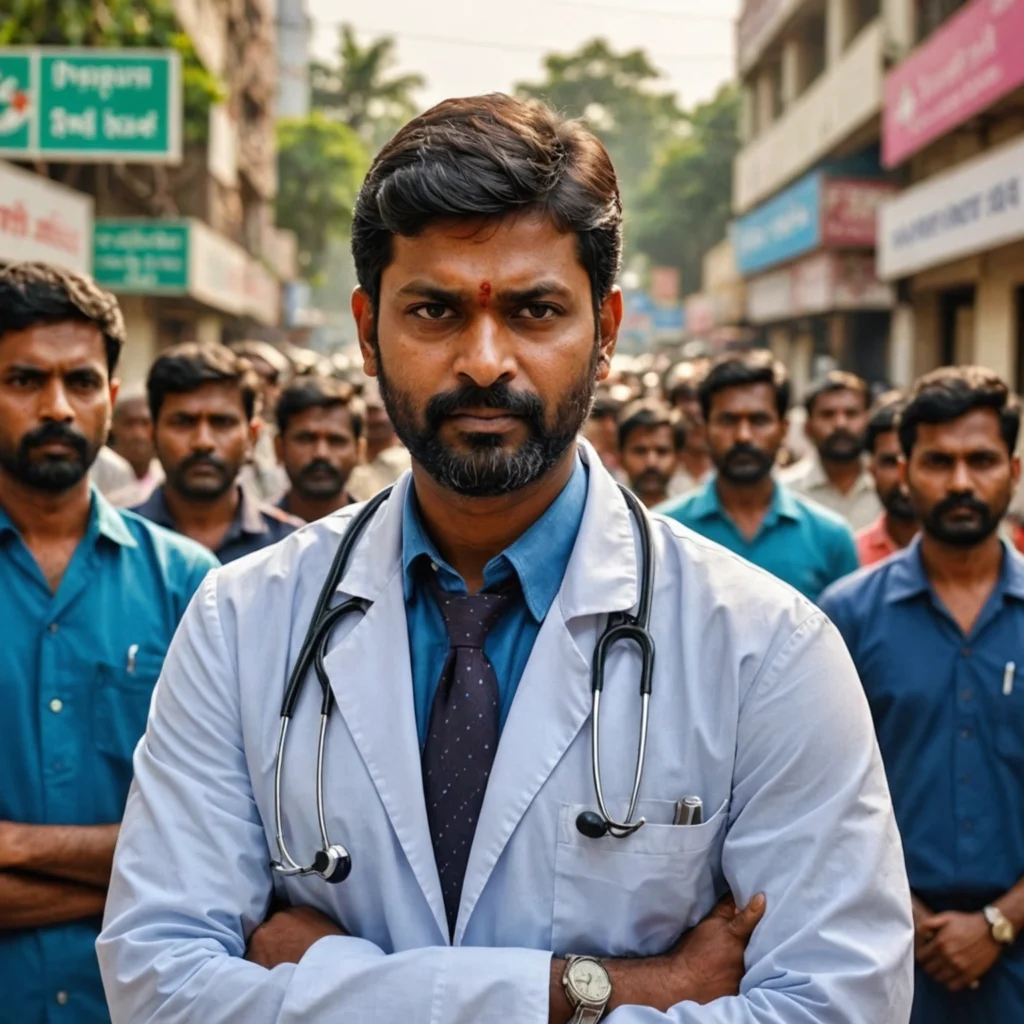
In response to the attack, doctors throughout Chennai staged a significant protest on the very day of the incident, advocating for increased security measures in hospitals. The show of solidarity among medical professionals emphasizes their growing concerns regarding workplace safety.
Protesters gathered outside various medical institutions, chanting slogans and holding placards demanding justice for Dr. Balaji. The collective voice of the medical community resonates with the urgency for better protection against assaults that have become alarmingly common in healthcare settings. The protest serves as a clear message: enough is enough.
Implications for Healthcare Security
This incident is not an isolated case. Over the past few years, there has been a disturbing increase in violence against doctors and healthcare workers in India. Reports indicate that healthcare professionals face threats and physical assaults on a regular basis, often stemming from disputes over treatment outcomes or dissatisfaction with medical care.
As a result, the need for improved security measures in hospitals has never been more pressing. Healthcare facilities must prioritize the safety of their staff by implementing comprehensive security protocols, including increased surveillance, emergency response plans, and support systems for doctors facing threats from patients or their families.
What’s Next for Dr. Balaji and the Medical Community?
As Dr. Balaji recovers from his injuries, the medical community rallies around him, both in support and solidarity. However, the question remains: what measures will be taken to ensure the safety of doctors in the future? The healthcare sector must take proactive steps to protect its professionals, or risk further escalating the crisis of violence within hospitals.
Moreover, the incident has sparked a national conversation regarding the treatment of medical professionals and the respect they deserve. As public sentiment shifts, there may be pressure on authorities to enact legislation aimed at protecting healthcare providers from violence, thus ensuring a safer environment for both patients and medical staff.
Public Reaction: A Divided Opinion
The public reaction to the stabbing incident has been a mix of outrage and sympathy. Many express anger towards the attacker, demanding justice for Dr. Balaji, while others grapple with the complexities surrounding mental health issues. Social media platforms have become a battleground for opinions, with some advocating for stricter laws against violence in hospitals, while others urge for more understanding and support for those suffering from mental illnesses.
This divide prompts a deeper examination of societal attitudes towards healthcare workers and the respect they command. It becomes evident that the medical profession must fight not only against physical threats but also against a culture that sometimes devalues their expertise and humanity.
The Need for Change: Advocating for Healthcare Professionals
As the dust settles on this tragic event, it is essential to recognize the need for systemic change within the healthcare system. Hospitals must prioritize the safety of their staff as a fundamental responsibility, integrating security protocols that protect doctors and patients alike.
Furthermore, medical institutions should consider implementing conflict resolution training for staff, preparing them to handle difficult situations with patients and their families more effectively. Investing in mental health resources for both healthcare providers and patients can create a more empathetic environment, reducing instances of violence.
Conclusion: A Call to Action
The stabbing of Dr. Balaji at the Kalaignar Centenary Super Speciality Hospital serves as a wake-up call for the entire nation. It highlights the urgent need for improved security measures in healthcare settings and a cultural shift towards valuing and respecting medical professionals.
As the healthcare community in Chennai and beyond reflects on this tragic event, it is imperative for all stakeholders—hospitals, government bodies, and the public—to come together to create a safer working environment for doctors. Only then can we ensure that those who dedicate their lives to saving others can do so without fear of violence.
In today’s national news, we must advocate not just for Dr. Balaji’s recovery but for a future where healthcare workers can perform their duties without the threat of harm. The time for change is now.



