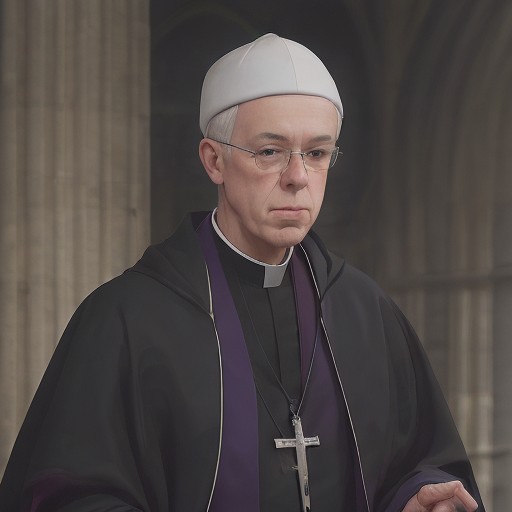
The Fall of a Leader: Archbishop Justin Welby’s Resignation
In a stunning turn of events that has sent ripples through the Church of England and its faithful followers, Archbishop Justin Welby officially resigned from his position on Tuesday, November 19, 2024. This resignation came in the wake of the highly publicized Makin report, which brought to light the Church’s grave failures in addressing the horrendous allegations of child abuse perpetrated by serial abuser John Smyth.
Welby’s departure marks a critical juncture for the Church, a moment that many believe is long overdue. His handling of the abuse scandal has drawn extensive criticism from senior clergy, victims’ advocates, and a significant portion of the congregation, leading many to label his position as “untenable.”
The Makin Report: A Damning Revelation
The Makin report has been described as a “damning indictment” of the Church of England’s response to allegations of child abuse. It detailed systemic failures that allowed abusers like John Smyth to operate unchecked, leaving a trail of destruction in their wake. The report’s release ignited a firestorm of outrage and prompted more than 12,000 members of the General Synod to sign a petition demanding Welby’s resignation.
This report not only highlighted the Church’s institutional failures but also raised critical questions about accountability and transparency within its leadership. With Welby at the helm, many felt that the Church had failed to take appropriate actions to protect its most vulnerable members.
Criticism and Calls for Accountability
As the leader of the Church of England, Archbishop Welby was expected to demonstrate moral fortitude and take decisive action against abuse. However, his perceived inaction and the growing evidence of hypocrisy in his handling of the scandal led to widespread calls for his resignation. Victims and senior clergy alike have voiced their frustrations, arguing that the Church must confront its past mistakes head-on to rebuild trust with its congregation.
Critics have pointed out that Welby’s leadership was characterized by a lack of proactive measures to address the serious allegations laid out in the Makin report. This failure to act has left many feeling betrayed, further deepening the wounds inflicted by Smyth’s actions and the Church’s complicity.
A Necessary Step or an Unfortunate Loss?
Welby’s resignation, while seen as a necessary step towards accountability, raises pressing questions about the future of the Church of England. Will this change in leadership usher in a new era of transparency and justice, or will it merely be a symbolic gesture, with deeper issues remaining unresolved?
The timing of Welby’s resignation is particularly poignant. As the Church grapples with its past, it also faces the challenge of rebuilding its reputation and restoring faith among its followers. Many within the Church view this as a critical moment to reevaluate its values and priorities, ensuring that the safety and well-being of its members is placed above all else.
Potential Successors: Who Will Lead Next?
With Welby’s departure, speculation is rife regarding his potential successors. Candidates from various dioceses are being considered, including bishops from Norwich, Chelmsford, and Leicester. Each of these leaders brings unique perspectives and experiences that could shape the future direction of the Church.
Among the frontrunners, there are those who have championed reform and transparency, as well as others who may uphold traditional values. As the Church stands at a crossroads, the choice of the next Archbishop will be pivotal in determining the path forward.
Rebuilding Trust: The Church’s Path Forward
As the Church of England seeks to recover from this scandal, it faces the daunting task of rebuilding trust. The Makin report has underscored the need for systemic changes within the Church to prevent such failures from happening again. A commitment to transparency, accountability, and safeguarding measures must become a priority.
Victims of abuse have long awaited justice, and the Church must take tangible steps to ensure their voices are heard. As the Church embarks on this journey of healing, it will need to foster an environment where victims feel safe to come forward and share their stories.
The Broader Implications for Faith Communities
The resignation of Archbishop Welby is not just a significant event for the Church of England; it serves as a wake-up call for faith communities worldwide. As institutions rooted in moral and ethical teachings, churches must confront allegations of abuse with urgency and integrity.
This situation has sparked a broader conversation about the role of religious institutions in protecting their members and addressing allegations of misconduct. More than ever, faith leaders must prioritize the safety and well-being of their congregations over institutional preservation.
A Turning Point for the Church of England
As the Church of England moves forward from this tumultuous chapter, the implications of Welby’s resignation will reverberate for years to come. It serves as a crucial reminder that accountability is essential in leadership, especially when the lives of vulnerable individuals are at stake.
The road to recovery will be long and arduous, but with a renewed commitment to transparency and safeguarding, the Church can begin to restore faith among its followers. The resignation of Archbishop Justin Welby may very well mark a turning point in this journey towards healing and reform.
Conclusion: A Call to Action
The fallout from the Makin report and Welby’s subsequent resignation is a clarion call for all religious institutions to examine their policies and practices regarding abuse. It is a time for reflection, reform, and renewal. The Church of England stands at a pivotal moment, and its response will determine not only its future but also the trust of its congregation.
As discussions about the next steps unfold, one thing remains clear: the Church must prioritize the voices of the victims and ensure that the horrors of the past are never repeated. Only through genuine accountability and reform can the Church of England hope to regain the trust of its faithful.


