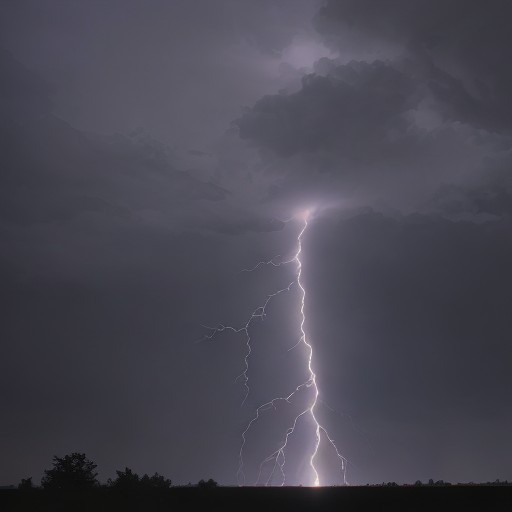
The Unrelenting Power of Nature: A Church Steeple Shattered
On November 23, 2024, a seemingly ordinary day turned extraordinary when a lightning bolt struck the steeple of a church in the United States, sending shockwaves through the local community and igniting a nationwide conversation about the unpredictable nature of lightning. The incident not only destroyed a beloved structure but also raised questions about the implications of lightning strikes on places of worship and community gathering.
Lightning: A Fiery Force of Nature
Lightning is one of nature’s most powerful and awe-inspiring phenomena. It is a sudden electrostatic discharge that occurs during a thunderstorm, resulting in a bright flash of light and an accompanying sound known as thunder. With an estimated 1.4 billion flashes occurring worldwide each year, lightning is both a spectacle and a hazard.
The recent incident involving the church steeple serves as a stark reminder of the danger lightning poses. As severe weather patterns become more frequent due to climate change, the risk of lightning strikes is escalating, making it crucial for communities to understand how to protect themselves and their properties.
Historic Patterns and Recent Data
According to the National Weather Service, lightning strikes can reach temperatures of around 30,000 degrees Fahrenheit—five times hotter than the surface of the sun. In the United States alone, lightning causes an average of 20 fatalities and more than 300 injuries each year. This year, the church incident adds to the statistics, showcasing the unforeseen consequences of a natural disaster that can strike without warning.
What makes this event particularly alarming is the timing. As thunderstorms become more ferocious, experts are urging communities to rethink their emergency preparedness strategies. The destruction of the church steeple has sparked renewed discussions about how to safeguard important structures and what role local governments should play in disaster preparedness.
Cultural Significance of Lightning
Beyond its physical impact, lightning holds significant symbolic meanings across various cultures. In Islam, for instance, lightning can be interpreted as a harbinger of happiness and prosperity, albeit of short duration. This duality of lightning—as both a destructive force and a symbol of fleeting fortune—invites a deeper reflection on how different cultures perceive and react to natural phenomena.
In many indigenous cultures, lightning is revered as a divine message or a connection to the spiritual realm. The recent destruction of the church steeple may prompt local congregations to explore these cultural interpretations, potentially influencing how they view their relationship with nature and their faith.
Community Reactions and Aftermath
The aftermath of the church steeple incident has been met with a mix of shock, grief, and resilience. Community members gathered to mourn the loss of their landmark, sharing stories of its significance and the memories it held. Local leaders are now faced with the challenge of rebuilding, both physically and emotionally, as they navigate the complexities of faith, disaster response, and community solidarity.
One churchgoer poignantly remarked, “It’s more than just a building; it’s a symbol of our faith and unity. We will rebuild, but we will also learn from this experience.” Such sentiments encapsulate the spirit of resilience that often emerges in the wake of tragedy.
Lightning Data and Technological Solutions
In the face of increasing lightning-related incidents, innovative tools like Lightning AI are becoming essential for communities and businesses alike. By harnessing the power of artificial intelligence, these platforms allow users to quickly develop and deploy applications that can predict and analyze lightning strikes. Such technologies can be pivotal in improving safety measures and response strategies, ensuring that communities are better prepared for future storms.
As we advance into an era where technology meets natural phenomena, the integration of AI in weather prediction can transform how we understand and respond to lightning. But with great power comes great responsibility; the ethical implications of relying on technology to predict natural disasters must be carefully considered.
The Debate: Nature vs. Technology
The lightning strike that destroyed the church steeple serves as a catalyst for an ongoing debate about humanity’s relationship with nature. On one hand, advancements in technology promise to enhance our ability to predict and respond to natural disasters. On the other hand, the unpredictability of nature reminds us of our vulnerabilities and the limits of human control.
Critics of over-reliance on technology argue that it may lead to complacency. “Just because we can predict lightning doesn’t mean we can prevent its damage,” warned one meteorologist. This sentiment echoes a broader concern about how communities prioritize disaster preparedness versus technological dependence.
Conclusion: Embracing the Dual Nature of Lightning
The recent lightning strike that destroyed a church steeple is a powerful reminder of nature’s unpredictable and often devastating force. It compels us to reflect on our relationship with the environment, the cultural significance of lightning, and the role of technology in disaster preparedness.
As communities come together to heal and rebuild, they are also faced with the challenge of embracing both the awe and fear that lightning inspires. The dual nature of this phenomenon—its capacity for destruction and its cultural significance—invites a broader discussion about how we perceive natural disasters and the importance of resilience in the face of adversity.
In the end, lightning is not just a natural occurrence; it is a profound force that shapes our lives, communities, and beliefs. As we navigate the complexities of modern life, let us remain vigilant, respectful, and prepared for whatever storms may come our way.


