
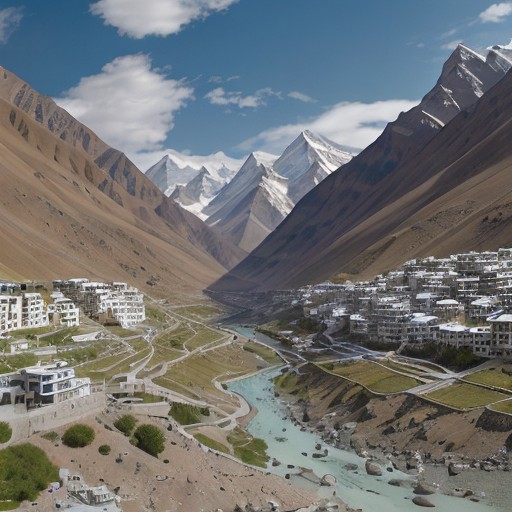
Introduction: The Allure of Spiti Valley
Nestled high in the Himalayas, Spiti Valley is a breathtaking destination that has captured the hearts of adventurers and spiritual seekers alike. Often referred to as “Little Ladakh,” this remote region in Himachal Pradesh offers stunning landscapes, rich cultural heritage, and an experience that is unlike any other. Despite its beauty and unique charm, Spiti Valley remains a largely untouched paradise, presenting both challenges and opportunities for tourists and locals. As the world slowly opens up post-pandemic, is Spiti Valley ready to embrace the influx of visitors, or will it remain a tranquil escape?
Location and Geography: The Hidden Treasure
Spiti Valley is located in the northeastern part of Himachal Pradesh, bordered by Tibet to the east. The valley is a cold desert, characterized by its stark landscapes, towering mountains, and deep blue skies. The region’s unique geography has made it a hotbed for trekking, with routes that lead through ancient villages, past centuries-old monasteries, and along glacial rivers. But this seclusion comes at a cost; the valley is sparsely populated, with communities struggling to maintain their traditional lifestyles amid the encroachment of modernity.
Climate: A Cold Desert Wonderland
The climate in Spiti Valley is as intriguing as its geography. With its cold desert climate, temperatures can plummet below freezing during winter, while summers are pleasantly mild. The stark contrasts between seasons make it an ideal destination for those looking to escape the heat of the plains during summer months. However, those planning a visit must be prepared for the harsh weather conditions, especially in winter when heavy snowfall can make roads inaccessible.
Key Attractions: Where Nature Meets Spirituality
Spiti is home to a plethora of attractions that showcase both its natural beauty and rich cultural heritage. Here are some of the must-visit spots:
- Key Monasteries: The valley is dotted with ancient Buddhist monasteries, each with its own unique architecture and history. Key Monastery, perched on a cliff, is the largest and most famous, offering stunning views and a serene atmosphere. Dhankar Monastery and Tabo Monastery, known for its intricate murals, are also worth exploring.
- Natural Scenic Beauty: The landscapes of Spiti are nothing short of spectacular. From the surreal landscapes of Chandratal Lake to the rugged terrain of Kaza, the valley offers countless opportunities for photography and exploration. The vibrant colors of the mountains, especially during sunset, create a mesmerizing backdrop that leaves visitors spellbound.
- Trekking and Adventure Activities: For adventure enthusiasts, Spiti Valley is a playground. Popular trekking routes, such as the Pin Parvati Pass and the Hampta Pass, attract trekkers from all over the world. River rafting in the Spiti River and mountain biking through the winding roads add to the thrill of exploring this remote region.
- Cultural Heritage: The rich cultural tapestry of Spiti Valley is woven with traditions, festivals, and practices that have been preserved for centuries. Visitors have the chance to participate in local festivals, such as the Losar festival, which celebrates the Tibetan New Year with colorful processions, music, and dance.
Challenges and Opportunities: The Future of Spiti Valley
As more travelers seek out off-the-beaten-path destinations, Spiti Valley is poised to become a new hotspot. However, this surge in tourism brings both opportunities and challenges. Local communities are grappling with the impact of increased visitor numbers, which can strain resources and disrupt traditional ways of life. The influx of tourists also raises concerns about environmental sustainability, as the delicate ecosystem of this cold desert could be threatened if not managed responsibly.
Furthermore, travel advisories and safety measures are crucial for ensuring the well-being of visitors. Potential travelers should keep abreast of current travel advisories and local government regulations as they plan their journeys. Is Spiti Valley ready to strike a balance between preserving its cultural heritage and welcoming tourists? Only time will tell.
Getting There: The Journey to Spiti Valley
Reaching Spiti Valley is an adventure in itself. The most common route is via Manali, which involves a scenic drive through the Rohtang Pass. Alternatively, travelers can enter from Shimla, which is a longer but equally captivating route. The roads are often challenging, especially during monsoon and winter seasons, making it essential for travelers to check road conditions before embarking on their journey.
For those who prefer a more guided experience, numerous travel agencies offer packages that include transportation, accommodations, and guided tours to the valley’s attractions. However, independent travelers will find that exploring Spiti on their own allows for a more intimate connection with the land and its people.
Travel Tips: Making the Most of Your Spiti Experience
To truly enjoy the magic of Spiti Valley, consider the following tips:
- Plan Your Itinerary: With so much to see and do, creating a well-thought-out itinerary is essential. Allocate sufficient time to explore the monasteries, trek the trails, and interact with the local culture.
- Pack Wisely: The weather can be unpredictable, so pack layers of clothing suitable for both cold and mild conditions. Don’t forget essentials like sunscreen, sunglasses, and a good camera to capture the stunning landscapes.
- Stay Respectful: As you visit local villages and monasteries, remember to respect the customs and traditions of the residents. Engage with the community, but do so with sensitivity to their way of life.
- Stay Connected: Although Spiti Valley is remote, mobile connectivity is improving. However, it’s advisable to inform family or friends about your travel plans, especially if you’re venturing into less populated areas.
- Embrace the Experience: The essence of Spiti Valley lies in its untouched beauty and the warmth of its people. Allow yourself to be immersed in the experience, whether it’s through a spontaneous conversation with a local or a moment of solitude while gazing at the stars.
Conclusion: The Last Frontier Awaits
Spiti Valley is not just a destination; it’s an experience that challenges your sense of adventure, expands your cultural horizons, and enchants your senses. As the world turns its gaze towards this hidden gem, the question remains: will Spiti Valley retain its unspoiled charm, or will it succumb to the pressures of commercialization? For now, this cold desert wonderland continues to beckon travelers with its majestic landscapes and profound spirituality, offering a sanctuary from the chaos of modern life.
Whether you seek adventure, spiritual solace, or a deeper connection with nature, Spiti Valley awaits your exploration. Are you ready to take the plunge into this extraordinary realm?


