
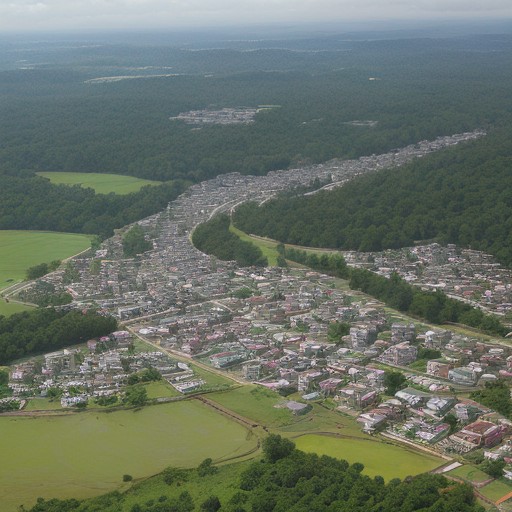
The Bold Transformation: Karimganj Becomes Sribhumi
In a striking move that has sent ripples through the socio-political landscape of Assam, the district formerly known as Karimganj has officially been renamed Sribhumi. Announced on November 24, 2024, this decision by the Assam government aims to pay homage to the cultural vision of the revered poet and polymath, Rabindranath Tagore. Chief Minister Himanta Biswa Sarma has emphasized that this renaming is not merely cosmetic; it is a recognition of the district’s rich heritage and its significant role in the tapestry of Assamese culture.
Understanding the Reasons Behind the Name Change
The renaming of Karimganj to Sribhumi has stirred a mix of reactions among locals and political analysts alike. Proponents argue that the new name encapsulates the essence of the land and its cultural legacy, while critics see it as a political maneuver amidst a backdrop of escalating tensions related to identity and heritage in Assam. The Chief Minister’s assertion that the renaming is a tribute to Tagore’s vision has sparked debates on the balance between tradition and modern political realities.
Sribhumi’s Economic Landscape: The Gold Market and Beyond
As the dust settles on the renaming, the economic activities in Sribhumi continue to thrive, particularly in its vibrant gold market. As of the same announcement date, the gold rate in Sribhumi has soared to ₹81,506 per 10 grams for 24-karat gold. This figure not only reflects the district’s growing economic stature but also indicates the increasing demand for precious metals as a form of investment among locals. The gold market here is a testament to the burgeoning economic activities that have positioned Sribhumi as a key player in Assam’s trade landscape.
Border Security: A Growing Concern for Sribhumi
However, the economic vibrancy of Sribhumi is not without its challenges. The district’s geographical location has made it a focal point for border security issues, particularly concerning illegal crossings from Bangladesh. Recent incidents have highlighted the vulnerabilities in the region, prompting Chief Minister Sarma to reiterate the government’s zero-tolerance policy towards illegal infiltration. The Assam Police have ramped up their efforts to secure the borders, raising questions about the effectiveness of existing measures and the potential implications for local communities.
Political Turmoil: The Aftermath of Bypoll Violence
The announcement of Sribhumi’s renaming has coincided with a climate of political unrest, marked by violence during recent bypolls in the district. Reports of damaged vehicles carrying Congress leaders have emerged, prompting a swift response from law enforcement. While the situation is currently under control, the shadow of political violence looms large, raising important questions about the stability and political dynamics within Sribhumi. Will the renaming serve as a catalyst for improved governance, or will it exacerbate existing political tensions?
Public Reaction: Embracing Change or Resisting Tradition?
The public’s reaction to the renaming of Karimganj to Sribhumi has been a tapestry of emotions. Many residents express pride in the new name, seeing it as a step toward cultural resurgence. “It’s about time we honor our roots,” says Ranjit Das, a local shopkeeper. “Rabindranath Tagore’s legacy is essential to our identity.”
Conversely, there are those who feel that such changes should be approached with caution. Critics argue that renaming places can lead to a loss of historical significance. “Karimganj has its own history,” states Meena Borah, a local historian. “While we appreciate the sentiment, we must also remember where we came from.” This sentiment reflects a broader discourse on identity in Assam, where history and modernity often clash.
Looking Ahead: What Does the Future Hold for Sribhumi?
As Sribhumi steps into its new identity, the implications of this renaming extend far beyond mere nomenclature. It raises critical questions about cultural identity, economic development, and political stability. Will the new name inspire a renewed sense of community and purpose among its residents? Or will it ignite further discord in a politically charged environment?
Economically, the district’s burgeoning gold market may serve as a beacon of hope, but the complexities of border security and political unrest cannot be ignored. The government’s approach to these issues will be pivotal in determining whether Sribhumi can flourish in its new identity or if it will become mired in the challenges that currently plague it.
Conclusion: A New Era for Sribhumi
In conclusion, the renaming of Karimganj to Sribhumi marks the beginning of an intriguing chapter in Assam’s history. As the district grapples with its new identity, the interplay of culture, economy, and politics will undoubtedly shape the narrative of this region in the years to come. The community’s response, the government’s policies, and the ongoing challenges will all play a vital role in defining what Sribhumi will become. Will it emerge as a model of cultural pride and economic growth, or will it remain a battleground for political strife? Only time will tell.


