
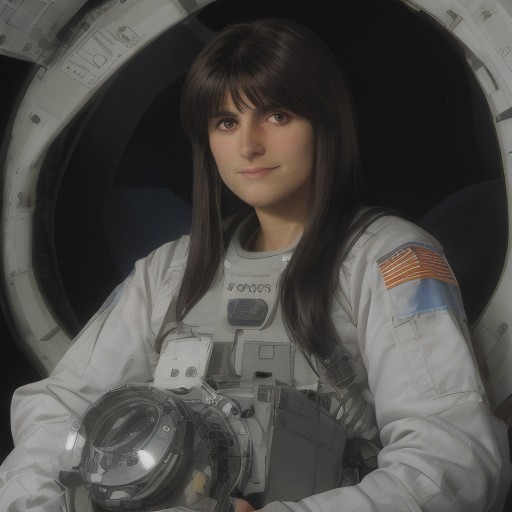
Introduction: A Trailblazer Among the Stars
Sunita Lyn Williams, born on September 19, 1965, is not just any astronaut; she is a symbol of perseverance and achievement in the realm of space exploration. An American astronaut and retired U.S. Navy officer, Williams has made history with her groundbreaking accomplishments, including holding the record for the most spacewalks conducted by a female astronaut. However, as of late, Williams finds herself in an unprecedented situation—stranded in space due to complications with Boeing’s Starliner capsule. This article delves into her remarkable journey, recent challenges, and what her future may hold.
The Making of an Astronaut: Education and Training
Sunita’s journey to the stars began with a strong foundation in education. She attended the prestigious U.S. Naval Academy, where she honed her skills in engineering and leadership. Williams didn’t stop there; she furthered her education by earning a master’s degree in engineering from the Massachusetts Institute of Technology (MIT) and a medical degree from the University of Texas. This diverse educational background laid the groundwork for her successful involvement in NASA’s astronaut program.
A NASA Career: From Earth to Orbit
In 1998, Williams became a NASA astronaut, embarking on a career that would see her soar to heights few can imagine. Over the years, she has participated in three significant space missions, most notably her STS-116 mission in 2006-2007, during which she spent an astounding 195 days aboard the International Space Station (ISS). It was during this mission that she conducted four extravehicular activities (EVAs), securing her place in history as the record holder for the most spacewalks by a female astronaut.
The Struggles of Space: Life Aboard the ISS
Life aboard the ISS is not without its challenges. Sunita’s experience in space has been marked by the unique conditions of microgravity. One of the most fascinating aspects of her time in orbit is experiencing 16 sunrises and sunsets each day, a breathtaking phenomenon that few get to witness. However, the challenges are not just visual; they also include the necessity of recycling sweat and urine to conserve precious resources.
Moreover, food challenges present an ongoing struggle for astronauts. The limitations of space cuisine can lead to unanticipated cravings and nutritional deficiencies. Williams has exhibited resilience in the face of these hurdles, showcasing her ability to adapt to the extraordinary environment of space.
Current Situation: Stranded and Awaiting Rescue
As of now, Williams, alongside astronaut Butch Wilmore, finds herself in a precarious situation—stranded in space due to issues with Boeing’s Starliner capsule. The mission’s complications have left their return to Earth uncertain, with NASA exploring various options, including the possibility of using SpaceX’s Dragon capsule as a rescue vehicle.
This situation raises critical questions about the reliability of commercial space travel. Could this incident undermine public confidence in private space ventures? Are we witnessing a pivotal moment that could alter the trajectory of human space exploration? The implications of this setback are profound, igniting debate within the space community and beyond.
Health Concerns: The Physical Toll of Extended Space Travel
Extended stays in space come with their own set of health concerns. As reports have surfaced about Williams experiencing weight loss and potential health issues, both NASA and her family have expressed confidence in her ability to manage the situation. Nevertheless, the risks associated with prolonged exposure to microgravity and radiation cannot be understated. What does this mean for the future of long-duration space missions? Will we need to rethink our approach to astronaut health and wellness?
The Impact of Sunita Williams on Space Exploration
Sunita Williams’ journey is more than just a personal story; it represents a larger narrative about women in STEM and space exploration. Her achievements inspire countless individuals, particularly young women aspiring to break barriers in science, technology, engineering, and mathematics. As we witness her current plight, the question arises: What can be done to ensure the safety and success of astronauts in the future?
Public Reaction: Conversations Around Space Travel
The public’s response to Williams’ situation has been one of concern and curiosity. Social media platforms have buzzed with discussions about the implications of her being stranded in space. Many are speculating about the future of space travel and the potential risks associated with commercial spaceflight. Are we ready for the challenges that come with sending humans into the final frontier? Or is there still much to learn?
Looking Forward: What Lies Ahead for Sunita Williams?
While the current situation may be daunting, Sunita Williams’ resilience and experience may prove invaluable as she navigates these challenges. The future of her space endeavors remains uncertain, but her impact on the field of astronautics is undeniable. As NASA continues to explore the best options for her return, the world watches with bated breath.
Conclusion: A Journey of Courage and Inspiration
Sunita Williams is more than an astronaut; she is a beacon of hope and determination. Her journey has been filled with remarkable achievements and daunting challenges. As she faces this unprecedented situation, it serves as a reminder of the risks associated with space exploration. With each new mission and each new challenge, we are reminded of the human spirit’s capacity to endure and inspire.
As the world continues to follow her story, one thing is clear: Sunita Williams is a true pioneer, and her legacy will undoubtedly shape the future of human exploration in ways we have yet to imagine.


