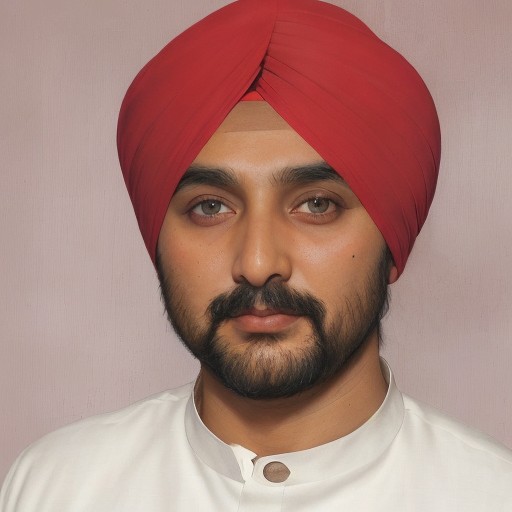
The Rise and Fall of Sukhbir Singh Badal
Sukhbir Singh Badal, a name synonymous with Punjab’s political landscape, has recently made headlines with his unexpected resignation as the president of the Shiromani Akali Dal (SAD). This shocking development not only marks a significant turning point for Badal but also for the party and Punjab’s political dynamics as a whole.
Reasons Behind the Resignation
Badal’s resignation comes in the wake of his appeal to the Akal Takht, the highest temporal seat of the Sikh religion, to expedite a religious punishment for alleged misconduct. This unprecedented request stems from an internal crisis within the SAD, where his leadership faced increasing scrutiny. Political analysts suggest that the timing of this resignation is crucial, as it signals deeper issues within the party’s structure and its ability to navigate Punjab’s tumultuous political waters.
A Call for Accountability
The resignation is rooted in Badal’s appeal to the Akal Takht, which he believed would allow him to manage his political and personal responsibilities more effectively. By seeking a definitive ruling from the religious authority, Badal aimed to regain some semblance of control amidst chaos. However, this appeal has raised questions about accountability within the SAD and whether Badal’s leadership is sustainable in the long term.
Legal Troubles and Political Fallout
Adding to the complexity of his situation, Sukhbir Singh Badal has recently found himself embroiled in legal troubles. The Supreme Court has mandated him and another SAD leader, Majithia, to apologize for derogatory statements made against former Punjab Chief Minister, Captain Amarinder Singh. This legal entanglement has further tarnished his reputation and raised doubts about the future of his political career.
The Political Landscape of Punjab
Punjab politics has always been a battleground of ideologies, aspirations, and challenges. The SAD has been navigating turbulent times, grappling with issues like farm fires, drug crises, and growing dissent among its ranks. Badal’s resignation is a stark reminder of the fragility of political power in the state, and how swiftly fortunes can change. As the party attempts to reposition itself, the implications of his departure are yet to unfold.
Mixed Reactions to the Resignation
The reactions to Sukhbir Singh Badal’s resignation have been varied. Supporters of the SAD have expressed disappointment, urging him to reconsider his decision. They argue that his leadership, despite its flaws, is crucial for the party’s survival. On the other hand, critics see this as an opportunity for rejuvenation within the party, suggesting that new leadership could bring fresh ideas and perspectives to the table.
The Future of Shiromani Akali Dal
With Badal stepping down, the question on everyone’s lips is, what lies ahead for the Shiromani Akali Dal? The party is at a crossroads, and its next move will be pivotal. Will they lean on seasoned politicians to steady the ship, or will they opt for a younger, dynamic leadership that resonates with the youth of Punjab? The decisions made in the coming weeks will undoubtedly shape the future of SAD and potentially redefine Punjab’s political landscape.
Speculations and Predictions
Political analysts are already speculating on the potential successors to Badal. Names like his wife, Harsimrat Kaur Badal, and other prominent party figures are being discussed as possible contenders. However, the internal strife within the party may complicate the selection process. Moreover, external pressures from rival parties are likely to exacerbate the challenges faced by SAD in the upcoming elections.
The Role of Religion in Politics
The involvement of the Akal Takht in Badal’s resignation sheds light on the intricate relationship between religion and politics in Punjab. The Sikh community holds the Akal Takht in high regard, and any decisions made by this religious authority can significantly influence political outcomes. This intertwining of religious and political realms poses both challenges and opportunities for political leaders in Punjab.
Conclusion: A New Chapter for Punjab Politics
Sukhbir Singh Badal’s resignation as president of the Shiromani Akali Dal is a watershed moment for Punjab politics. As the dust settles, the ramifications of this decision will be felt far and wide. Will this lead to a revitalization of the SAD, or will it plunge the party deeper into crisis? Only time will tell, but one thing is certain: the political stage in Punjab is set for dramatic changes.
As readers, we are left to ponder the implications of these events. How will they shape the political narrative in Punjab, and what does this mean for the future of the Shiromani Akali Dal? The answers remain elusive, but the unfolding drama promises to be one of the most compelling chapters in Punjab’s political saga.


