
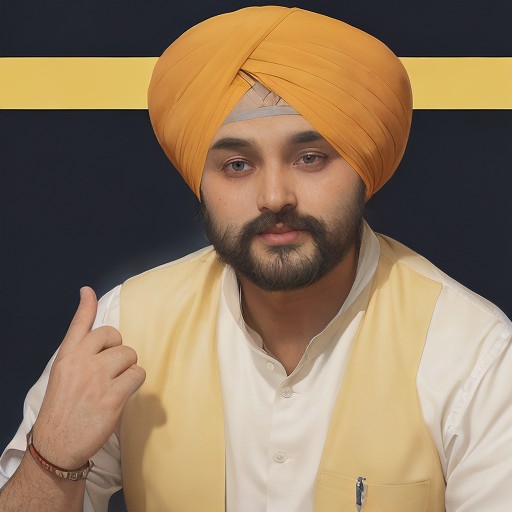
The Unexpected Resignation of Sukhbir Singh Badal
In a stunning turn of events, Sukhbir Singh Badal, the former president of the Shiromani Akali Dal (SAD), has officially resigned from his position, sending shockwaves through the political landscape of Punjab. This resignation, stemming from serious allegations of religious misconduct, raises critical questions about the future of the party and its leadership.
The Reasons Behind the Resignation
Badal submitted his resignation to the SAD working committee, citing his inability to fulfill both political and personal responsibilities due to the ongoing charges against him. The allegations have not only tarnished his political career but have also cast a long shadow over the Shiromani Akali Dal, a party that has historically been a significant force in Punjab politics.
Moreover, Badal’s decision to step down comes after he made two attempts to approach the Akal Takht, the highest temporal authority for Sikhs, in a bid to expedite the pronouncement of punishment related to his misconduct. For over two-and-a-half months, Badal had been waiting for a resolution, which has now culminated in his resignation.
The Shiromani Akali Dal in Crisis
The resignation of Sukhbir Singh Badal is not just an isolated incident; it highlights the growing crisis within the SAD. Once a dominant political force in Punjab, the party has been grappling with internal conflicts and a significant decline in influence. Many party members and supporters have expressed dissatisfaction with Badal’s leadership, arguing that his tenure has been marked by failures to address critical issues facing the state and its citizens.
This internal strife has been further exacerbated by the **rebellious factions** within the party, who have openly criticized Badal’s leadership. Interestingly, the news of his resignation has been met with a welcome response from these factions, indicating a possible shift in power dynamics within the party.
Reactions from the Political Sphere
As news of Badal’s resignation spreads, reactions from various political figures and analysts are pouring in. Some view this resignation as a necessary step towards rejuvenating the party, while others see it as a sign of desperation amidst a political crisis. Analysts suggest that this could potentially open the door for new leadership and a fresh approach to the challenges the SAD faces.
The political ramifications of this resignation extend beyond the Shiromani Akali Dal. With Punjab’s political landscape already fraught with tensions, Badal’s departure could create opportunities for rival parties to capitalize on the weakened state of the SAD.
The Broader Implications for Punjab Politics
Badal’s resignation raises significant questions about the future trajectory of the Shiromani Akali Dal. Will the party be able to regroup and strengthen its position in Punjab, or will it continue to decline in the face of mounting challenges?
With the upcoming elections on the horizon, the SAD must act swiftly to address its leadership vacuum. The party’s ability to re-establish itself as a credible force in Punjab politics may depend heavily on how it navigates this tumultuous period and responds to the concerns of its supporters.
What Lies Ahead for Sukhbir Singh Badal?
As Sukhbir Singh Badal steps down from his leadership role, many are left wondering what his future holds. Will he seek redemption within the political arena, or will he retreat from public life altogether? His next moves will be crucial not only for his career but also for the political landscape of Punjab.
In the coming weeks, as the dust settles from this resignation, it will be essential to monitor the reactions from both supporters and detractors of the SAD. Will this mark the end of an era for Sukhbir Singh Badal, or is it merely a chapter in his ongoing political saga?
Conclusion: A Turning Point in Punjab Politics
The resignation of Sukhbir Singh Badal is a pivotal moment in the history of the Shiromani Akali Dal and Punjab politics as a whole. As the party grapples with internal dissent and external pressures, the implications of this resignation will likely resonate throughout the state’s political landscape for years to come.
For now, the future of the SAD hangs in the balance, with its next steps critical to its survival and resurgence. The political scene in Punjab is undoubtedly in flux, and the coming months will reveal whether the Shiromani Akali Dal can rise from the ashes of this crisis or if it will fade into obscurity.


