
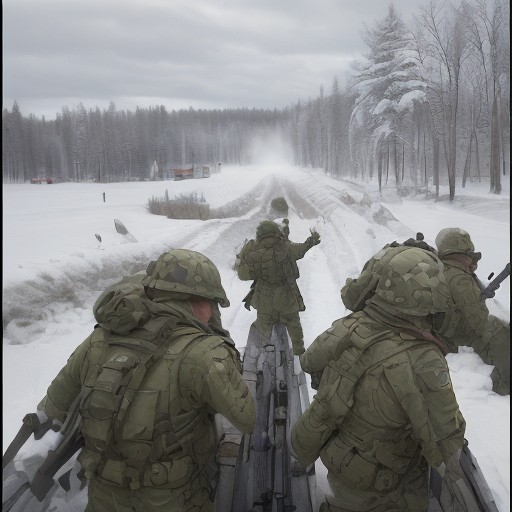
The Nordic Alliance: Sweden and Finland’s Bold NATO Move
In an unprecedented twist of geopolitical events, Sweden and Finland have formally announced their applications to join the North Atlantic Treaty Organization (NATO), signaling a significant shift in their long-standing military policies. This historic decision is largely driven by escalating security concerns following Russia’s aggressive actions in Ukraine, prompting these two peaceful nations to rethink their defense strategies.
The Shadow of Russia: A Catalyst for Change
The backdrop of this monumental decision is Russia’s ongoing war in Ukraine, an invasion that has rattled the very foundations of European security. As the conflict continues to unfold, both Sweden and Finland have found themselves facing a dilemma: remain neutral or bolster their defenses against a potentially hostile neighbor. The answer has been clear—align with NATO.
While both countries have not been at war with each other, their newfound military camaraderie reflects a shared understanding of the threats posed by Russia. The Kremlin has reacted sharply, issuing threats of retaliatory actions should either nation proceed with their NATO membership bids. This provocative stance raises questions about how far Russia is willing to go to maintain its sphere of influence in the region.
Heightened Military Readiness: Preparing for Possible Threats
In light of these geopolitical shifts, Sweden and Finland have not only applied for NATO membership but have also taken significant steps to enhance their military preparedness. Both nations are upgrading their wartime guidelines to ensure that citizens are well-equipped to face potential security risks. This includes increasing military exercises, improving readiness protocols, and fostering stronger ties with NATO member states.
The sense of urgency is palpable. With Russian military movements becoming more aggressive, Sweden and Finland’s decision to bolster their defenses is not just a precaution; it is a necessary response to the reality of their strategic environment. Residents of both countries are being urged to familiarize themselves with new emergency preparedness guidelines, underscoring the seriousness of the current security landscape.
Global Reactions: Support and Opposition
The response to Sweden and Finland’s NATO applications has been mixed on the global stage. U.S. President Joe Biden has publicly endorsed their bids, emphasizing the importance of collective security in the face of Russian aggression. The United States’ support highlights a broader commitment among NATO allies to strengthen the alliance amidst rising tensions.
However, not all responses have been favorable. Turkey, a key NATO member, has expressed opposition to the expansion of the alliance, citing concerns over Sweden’s and Finland’s perceived support for groups Turkey considers terrorist organizations. This internal conflict within NATO raises important questions about the alliance’s cohesion and the future of its expansion efforts.
Public Sentiment: Support in Sweden and Finland
Interestingly, public sentiment in both Sweden and Finland appears largely in favor of joining NATO. Citizens express a heightened sense of vulnerability given the current geopolitical climate, and many believe that NATO membership would provide a necessary security guarantee. Polls indicate that support for NATO membership has surged, reflecting a collective desire for security in an increasingly unpredictable world.
The Implications of NATO Membership
Joining NATO will undoubtedly have far-reaching implications for both Sweden and Finland. Firstly, it would enhance their military capabilities through access to NATO’s collective defense resources and intelligence-sharing mechanisms. This partnership could deter potential aggressors, including Russia, and contribute to regional stability.
However, there are risks associated with joining a military alliance. By aligning more closely with NATO, Sweden and Finland could become targets for Russian retaliation. The Kremlin has historically viewed NATO expansion as a direct threat to its national security, which could escalate tensions in the Baltic region.
The Future of Nordic Security: A New Era?
The formal applications from Sweden and Finland mark a new era in Nordic security. As these two nations move closer to NATO membership, the dynamics of European security will undoubtedly shift. The implications of their decision will reverberate throughout the region and beyond, challenging the status quo and prompting a reevaluation of defense strategies among neighboring countries.
As the situation develops, analysts and policymakers will be watching closely. Will NATO’s expansion deter Russian aggression, or will it provoke a more aggressive stance from the Kremlin? The answers to these questions will shape the future of security in Europe and could redefine international relations for years to come.
Conclusion: A Call for Vigilance and Unity
In conclusion, the applications from Sweden and Finland to join NATO are a response not only to immediate security concerns but also to a changing global landscape. As these nations embark on this new chapter, it is crucial for their citizens, as well as the broader international community, to remain vigilant and united. The stakes have never been higher, and the decisions made today will resonate for generations to come.
As discussions unfold and the geopolitical landscape continues to shift, readers are invited to consider the implications of these developments. What does NATO membership mean for Sweden and Finland? How will Russia respond? And what does this all signify for the future of Europe? The conversation has just begun.


