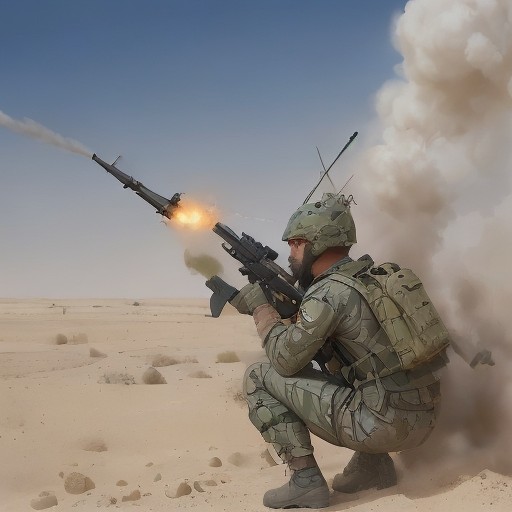
The Ongoing Israel-Iran Conflict: A Snapshot of Recent Developments
The Israel-Iran conflict has recently reached a boiling point, with escalating tensions, military operations, and grave humanitarian concerns. As the world watches closely, a series of incidents have drawn attention to the complexities of this age-old struggle. From airstrikes in Beirut to Iranian cyber warfare, the situation is fraught with implications that extend far beyond the Middle East.
Israeli Airstrikes: A Deadly Offensive in Beirut
On November 24, Israel launched a series of airstrikes in central Beirut, resulting in the heartbreaking deaths of at least 20 individuals, predominantly women and children, according to Palestinian officials. This tragic episode is part of a broader offensive against Hamas militants who have reportedly repositioned themselves in the northern regions of Gaza. The civilian toll has sparked outrage and concern among international bodies, with calls for accountability echoing across the globe.
The Israeli government justifies these airstrikes as necessary measures to counteract terrorism. However, the collateral damage raises serious questions about the proportionality and morality of such military actions. As the situation unfolds, the world grapples with the devastating humanitarian implications of these strikes.
Escalation of Hostilities: The Role of the U.S. and Humanitarian Concerns
The recent hostilities have not gone unnoticed by the United States. The Biden administration has expressed deep concerns regarding the rising civilian casualties and the dire lack of humanitarian aid in Gaza. Reports detail how the ongoing Israeli assaults have exacerbated an already critical situation for civilians caught in the crossfire.
As the conflict intensifies, the U.S. has warned that continued humanitarian degradation could lead to a reevaluation of military aid to Israel. This warning reflects a growing international sentiment that prioritizes human rights and the welfare of innocent civilians.
Iran’s Defiant Stance: Khamenei’s Rhetorical Posturing
Amidst the turmoil, Iran’s Supreme Leader, Ayatollah Ali Khamenei, has taken to social media to make bold statements against both the U.S. and Israel. His rhetoric underscores Iran’s commitment to retaliatory actions, positioning the nation as a staunch defender of Palestinian rights. Khamenei’s statements serve to mobilize domestic and regional support, further complicating the geopolitical landscape.
This posturing is not merely symbolic; it highlights Iran’s strategic role in the region and its ongoing support for groups like Hamas and Hezbollah. As tensions rise, the potential for a broader conflict looms large, threatening to engulf neighboring countries.
Targeted Operations: Israeli Naval Forces Capture Hezbollah Operative
In a significant development, Israeli naval forces captured a senior Hezbollah operative in northern Lebanon. This operation underscores the direct confrontations between Israel and its adversaries, including Hezbollah and Hamas, and illustrates the multifaceted nature of the conflict.
Israeli officials have framed this capture as a critical blow to Hezbollah’s operational capabilities. However, this action may also provoke further retaliatory measures from Hezbollah, escalating the cycle of violence in an already volatile region.
Human Rights Violations: Accusations of War Crimes
The conflict has not only resulted in military confrontations but has also drawn the ire of human rights organizations. Human Rights Watch has accused Israel of committing war crimes and crimes against humanity, citing forced displacements, home demolitions, and unacceptable civilian casualties in Gaza. The allegations have sparked a fierce debate over the ethics of military engagement and the responsibility of nations in conflict.
Israel vehemently disputes these claims, attributing civilian casualties to Hamas’s tactics of operating within civilian areas. Nonetheless, the mounting evidence of human rights violations continues to challenge Israel’s narrative and raise questions about international accountability.
International Involvement: The UN’s Call for Humanitarian Aid
The United Nations has condemned the lack of humanitarian aid reaching Gaza, emphasizing the urgent need for assistance in light of the ongoing violence. The Biden administration’s warnings about potential reductions in military aid to Israel underscore the international community’s growing frustration with the humanitarian crisis.
This situation highlights the delicate balance of power and the challenges of diplomacy in the face of escalating violence. As the UN calls for action, the world watches to see how nations will respond to the unfolding crisis.
Syrian Front: Israeli Forces Target Terror Operatives
In a related development, Israeli forces have entered Syria to apprehend terror operatives allegedly working with Iranian agents. This expansion of military operations indicates a broader regional scope to the conflict, suggesting that the Israel-Iran war is not confined to just those two nations.
The implications of this incursion are significant, as it risks drawing Syria further into the fray and could potentially ignite a wider regional conflict. The dynamics of Middle Eastern geopolitics are ever-shifting, and this latest development adds a new layer of complexity to an already intricate situation.
Lebanon’s Response: Support for Resistance
In Lebanon, the response to the escalating conflict has been one of solidarity with resistance movements. The Lebanese Minister of Labor has publicly praised the resistance for thwarting Israeli plans, reflecting a broader sentiment in the region that rallies around anti-Israel sentiments.
This support for resistance groups like Hezbollah is indicative of the regional dynamics at play and highlights the complexities of public opinion amidst ongoing hostilities. As these sentiments intensify, the potential for cross-border skirmishes increases, further complicating an already precarious situation.
Cyber Warfare: Iran’s Digital Offensive Against Israel
In addition to military confrontations, reports have emerged of Iranian cyber warfare targeting Israel. These operations aim to exploit fears of a military attack and disrupt critical infrastructure. Cyber warfare adds another dimension to the conflict, demonstrating how modern warfare has evolved to encompass digital battlegrounds.
This development raises questions about national security and the vulnerabilities that nations face in an increasingly interconnected world. As cyber threats grow, the traditional notions of warfare are challenged, leading to new strategies and responses from nations involved in the conflict.
The Road Ahead: Speculations and Implications
The recent escalations in the Israel-Iran conflict signal a potential for prolonged military and diplomatic confrontations with significant geopolitical implications. As nations position themselves in support or opposition, the likelihood of broader regional involvement remains high.
Experts warn that if hostilities continue to escalate, the risk of a wider conflict involving multiple nations could become a grim reality. The humanitarian crisis in Gaza may also prompt international intervention, forcing global powers to reckon with the consequences of inaction.
As the world watches this dramatic unfolding of events, the potential for change remains uncertain. The Israel-Iran conflict is not just a regional issue; it is a flashpoint that could redefine alliances and strategies across the globe.
Conclusion: A Call for Awareness and Action
The Israel-Iran conflict is a complex tapestry woven from historical grievances, political maneuvering, and humanitarian crises. As recent developments highlight the urgency of the situation, it is imperative for the international community to remain engaged and responsive.
Only through dialogue and concerted efforts can the cycle of violence be broken. As tensions rise, a collective call for peace and humanitarian assistance is essential to alleviate the suffering of those caught in the crossfire.
As we navigate this tumultuous landscape, the need for informed public discourse has never been more critical. The implications of the Israel-Iran conflict extend far beyond its borders, and it is our responsibility to stay informed and advocate for a more peaceful future.


