
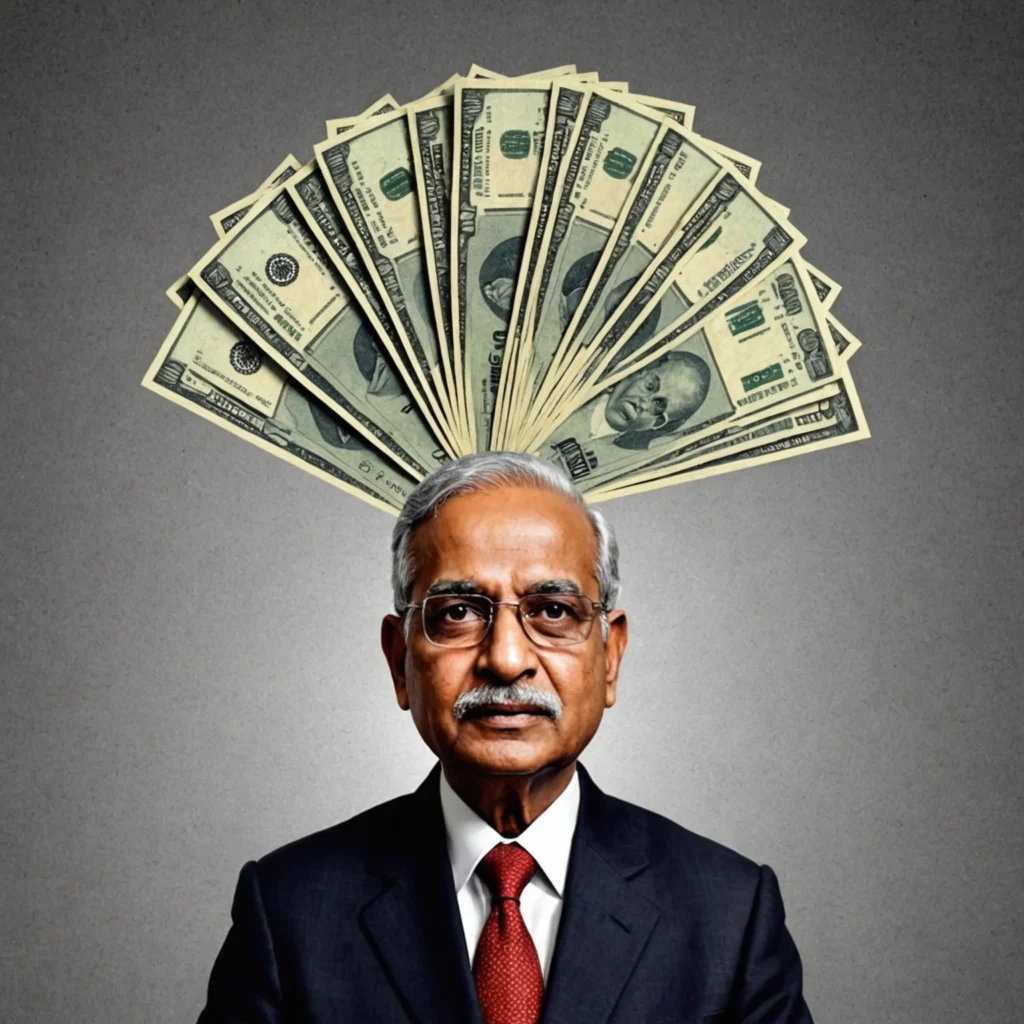
Introduction: The Buzz Around the 8th Pay Commission
The anticipation of the 8th Pay Commission salary hike is electrifying the air among millions of government employees in India. As the 7th Pay Commission has already made significant waves with its recommendations, many are eager to know what changes the upcoming commission will bring. With inflation rates soaring and the cost of living ever-increasing, the discussions around salary increments have never been more crucial. This article delves into the implications, expectations, and potential reactions regarding the 8th Pay Commission.
The Current Landscape: A Review of the 7th Pay Commission
The 7th Pay Commission was established to review the salary structure of central government employees, aiming for a comprehensive overhaul that includes various allowances, particularly the Dearness Allowance (DA). The commission sought to not only provide fair compensation but also to ensure that salaries remain competitive across different sectors.
For instance, recent developments revealed that the Tripura state government recently increased the DA by 5%, bringing it to a total of 30% for its employees and pensioners. Similarly, the Assam cabinet approved a 3% DA hike, making it a staggering 53%—aligning it closely with the benefits provided to central government employees. This push for DA adjustments is a direct response to the rising inflation and cost of living, proving that there is a growing demand for fair compensation amongst state and central employees alike.
What Could the 8th Pay Commission Bring? A Look Ahead
As discussions regarding the 8th Pay Commission heat up, many are left wondering: what can be expected? Will it bring substantial increases in salary? Will it include new allowances or adjust existing ones? While official announcements are yet to come, several speculations suggest a potential hike that could surpass previous increments.
Experts predict that the upcoming commission may consider the rising inflation rates, which have significantly impacted the purchasing power of employees. The salary structure could see a revision that is more aligned with current economic realities, which could mean a substantial increase in the base pay and allowances.
Reactions from Employees: A Mixed Bag of Optimism and Skepticism
As the news about the 8th Pay Commission salary hike spreads, reactions from employees vary widely. While many are optimistic about potential pay increases, others remain skeptical, recalling the slow implementation and bureaucratic red tape that often accompanies such commissions.
Government employee unions are particularly vocal, pushing for a swift and fair review process that addresses the needs of their members. Many employees have expressed their concerns regarding the stagnation of salaries even as the cost of living continues to rise.
The Political Angle: Government’s Role in the 8th Pay Commission
Politics inevitably plays a role in the discussions surrounding the 8th Pay Commission. With elections on the horizon, the government will undoubtedly want to showcase its commitment to the welfare of its employees. The timing of any announcements may also be influenced by political agendas, as leaders seek to leverage potential salary hikes to gain favor with the electorate.
Opposition parties are likely to scrutinize the government’s actions closely, calling for transparency and accountability. This political dynamic adds another layer of complexity to the already heated discussions surrounding the commission.
The Economic Impact: How Will It Affect the Nation?
The implications of the 8th Pay Commission salary hike extend far beyond just government employees. A significant salary increase could lead to a ripple effect throughout the economy. Increased salaries mean higher disposable incomes, which in turn could boost consumer spending and stimulate economic growth.
However, there are also concerns about inflation. Critics argue that substantial pay hikes could lead to increased prices for goods and services, negating the benefits of higher salaries. This delicate balance is a critical point of discussion among economists and policymakers alike.
Comparisons with Other Sectors: Is the Government Keeping Up?
As the government reviews its salary structures, it’s essential to compare these hikes with salary trends in the private sector. Many employees argue that while they appreciate the government’s efforts, they often feel left behind when compared to the lucrative packages offered by private firms.
Moreover, with the rise of the gig economy and remote work, many talented individuals are opting for flexible job opportunities that offer better pay and benefits than traditional government roles. This dynamic has led to calls for reforms not just within salaries but also in the overall work environment for government employees.
Conclusion: The Future of the 8th Pay Commission
The anticipation surrounding the 8th Pay Commission salary hike signifies more than just numbers on a paycheck; it encapsulates the hopes and aspirations of millions of government employees across India. As the economy continues to evolve, so too must the compensation structures that support those who serve the public. The upcoming decisions will undoubtedly shape the financial futures of many and could influence broader economic trends in the country.
While the wait for official announcements continues, one thing is clear: the discussions around the 8th Pay Commission are just heating up. With various stakeholders involved—from employees to political leaders—the outcome will be closely watched and widely debated. Will it be a game-changer for government employees, or just another chapter in the ongoing saga of pay commissions? Only time will tell.



