The California Condor: A Glimpse into the Past
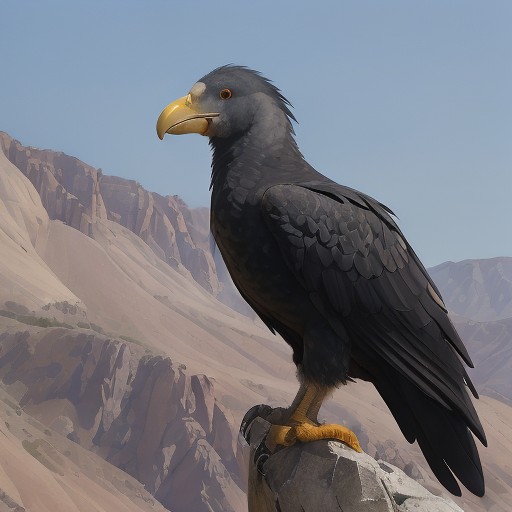
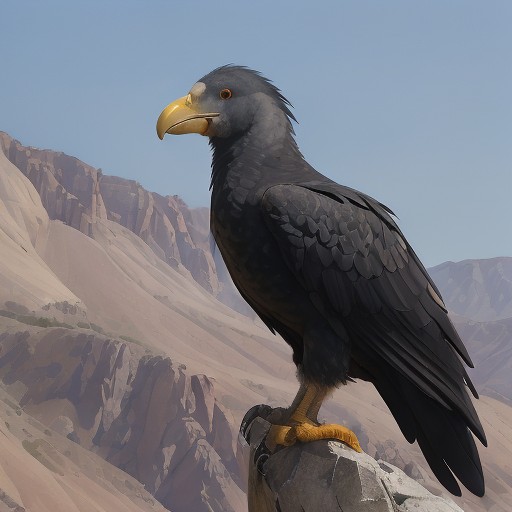
The California Condor, once on the brink of extinction, represents both the fragility and resilience of nature. With a wingspan stretching up to 10 feet, this magnificent bird is not just California’s state bird; it’s a symbol of hope and a testament to the extraordinary lengths humanity can go to restore what has been lost. But how did we reach this critical juncture, and what is being done to ensure the survival of these majestic creatures?
The California Condor Recovery Program: An Overview
Launched in the 1980s, the California Condor Recovery Program is a groundbreaking initiative led by the U.S. Fish & Wildlife Service. This comprehensive program aims to reverse the decline of the California Condor population and ensure a sustainable future for this iconic species. But what are the key components of this ambitious plan?
Addressing Threats to the Species in the Wild
One of the primary challenges facing the California Condor is the myriad threats that lurk in their natural habitat. Lead poisoning, poaching, and habitat loss are the three-headed monster threatening their existence. Lead poisoning, a significant issue, occurs when condors ingest lead bullet fragments while scavenging for food. This has been a persistent problem, leading to the deaths of numerous birds over the years.
In response, wildlife advocates and organizations have pushed for stricter regulations on lead ammunition, arguing that the health of condors—and indeed, other wildlife—is at stake. The debate surrounding lead ammunition is heated; some hunters feel their rights are being infringed upon, while conservationists argue for the greater good of the ecosystem. This contentious issue reflects a broader struggle between conservation efforts and traditional hunting practices.
Captive Breeding: A Lifeline for the Condor
To combat the population decline, the Recovery Program has implemented a robust captive breeding initiative. Breeding condors in controlled environments aims to increase the population while ensuring genetic diversity within the flock. This is crucial, as a genetically diverse population is less susceptible to disease and environmental changes.
However, captive breeding is not without its controversies. Critics argue that it is a temporary fix that cannot replace the need for a healthy wild population. They stress the importance of habitat restoration and sustainable practices to support wild populations. In the face of these criticisms, the program’s supporters maintain that captive breeding is a necessary step in the journey towards recovery.
Release and Monitoring: The Road to Freedom
Once the captive-bred California Condors reach maturity, they are released back into the wild. This is where the real challenge begins. Each bird is fitted with a GPS transmitter, allowing scientists to closely monitor their movements, health, and reproductive success. The data gathered is invaluable, revealing insights into their behavior and interactions with their environment.
However, the release of these birds often sparks heated debates among wildlife enthusiasts, conservationists, and local communities. Some argue that releasing these birds into areas where they historically thrived could disrupt local ecosystems. Others believe that restoring the condor population is vital for biodiversity and ecological balance. This ongoing discussion showcases the complexity of wildlife conservation efforts, where every decision can have far-reaching implications.
Recent Successes and Challenges
As of 2023, the California Condor population has seen a significant resurgence, with over 500 individuals counted in the wild and captive breeding facilities. This achievement is a testament to the hard work and dedication of countless individuals and organizations involved in the Recovery Program. However, the journey is far from over.
As the population grows, so do the challenges associated with their conservation. Issues such as habitat encroachment, climate change, and continued lead exposure pose ongoing threats that require constant vigilance and adaptive management strategies. The Recovery Program must navigate these complexities while balancing the needs of local communities and ecosystems.
The Role of Community and Education
Engaging local communities in conservation efforts is crucial for the success of the California Condor Recovery Program. Educational initiatives aimed at raising awareness about the condor’s plight and the importance of biodiversity have been implemented across California. Schools, wildlife organizations, and community groups are coming together to foster a new generation of conservationists.
However, there is a lingering tension between conservation goals and economic interests. Some communities, particularly those reliant on hunting and land development, view conservation efforts with skepticism. Striking a balance between protecting the California Condor and respecting local livelihoods remains a contentious issue. Can a compromise be reached, or will the interests of wildlife conservation clash irreparably with economic development?
Future Implications: What Lies Ahead?
The future of the California Condor is intertwined with broader environmental issues, including climate change, habitat restoration, and sustainable practices. As we look ahead, the implications of the Recovery Program extend beyond the condor itself. The challenges faced by this species serve as a microcosm for the larger struggles in conservation today.
Will the California Condor be a success story that inspires further conservation efforts, or will it fall victim to the same forces that originally brought it to the brink of extinction? The answers lie in our hands—through education, advocacy, and a collective commitment to preserving our planet’s biodiversity.
Conclusion: A Call to Action
The California Condor Recovery Program represents a beacon of hope in the fight against extinction. Each success story fuels optimism, while each challenge reminds us of the work still needed. As stewards of the environment, it is our responsibility to advocate for sustainable practices, support conservation efforts, and engage in meaningful dialogue about the future of our planet.
In the end, the journey of the California Condor is not just about saving a bird; it’s about preserving our natural heritage and ensuring that future generations can witness the awe-inspiring sight of these magnificent creatures soaring through the skies once more.